
Last updated November 4, 2026
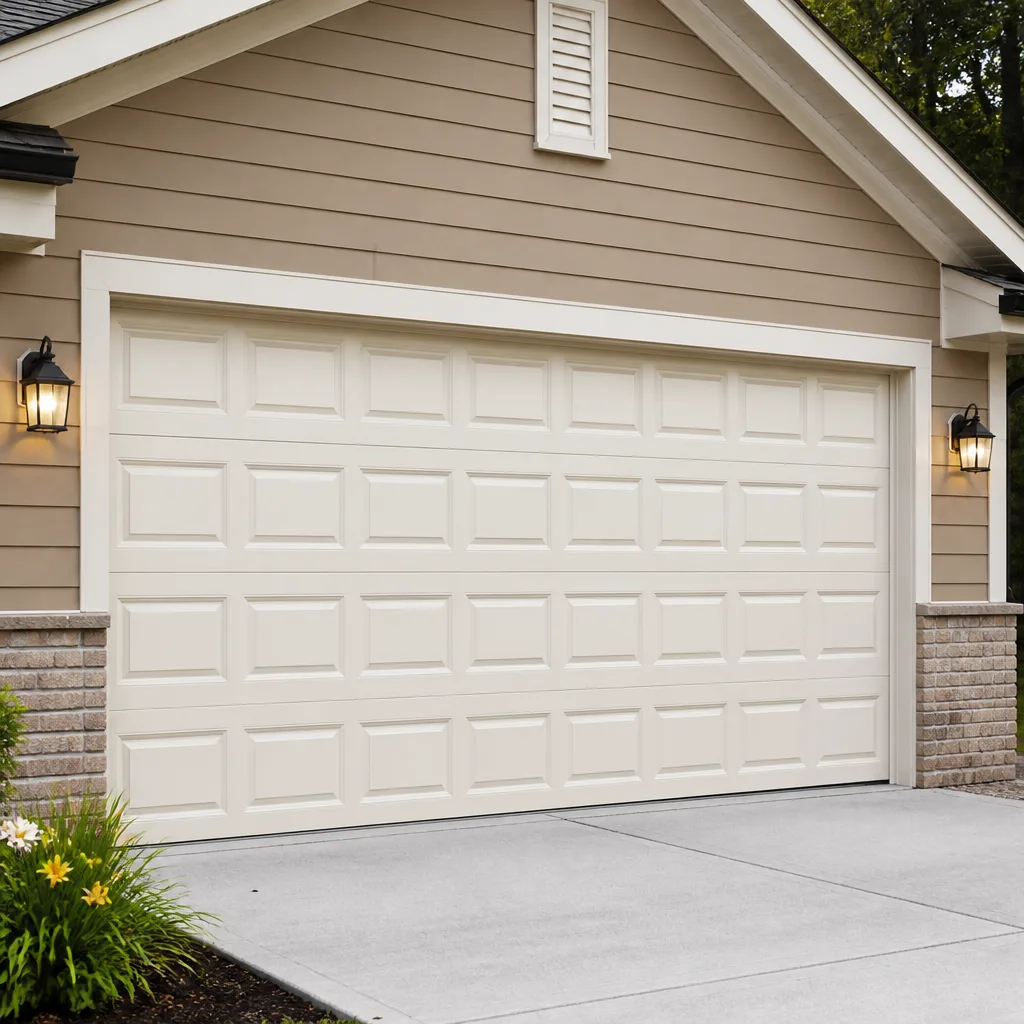 Raised-panel steel
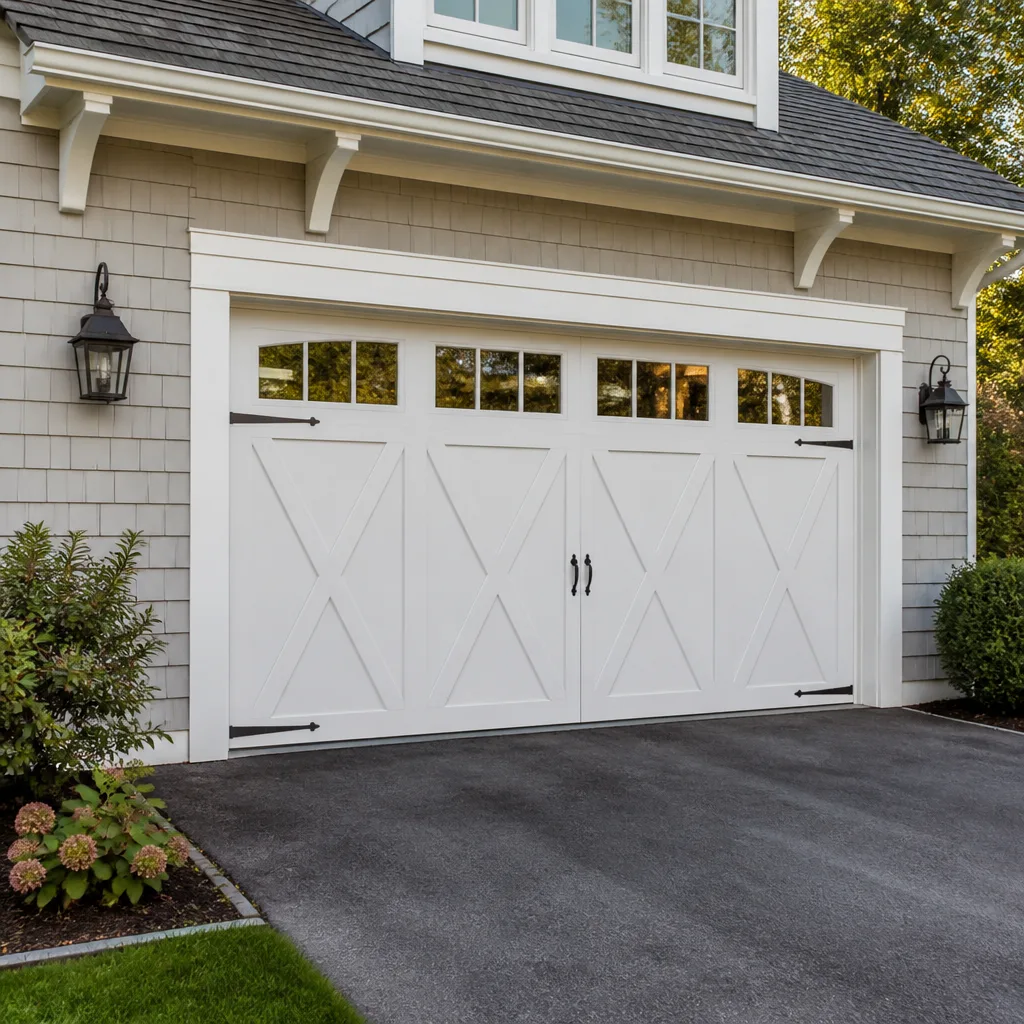 Carriage house
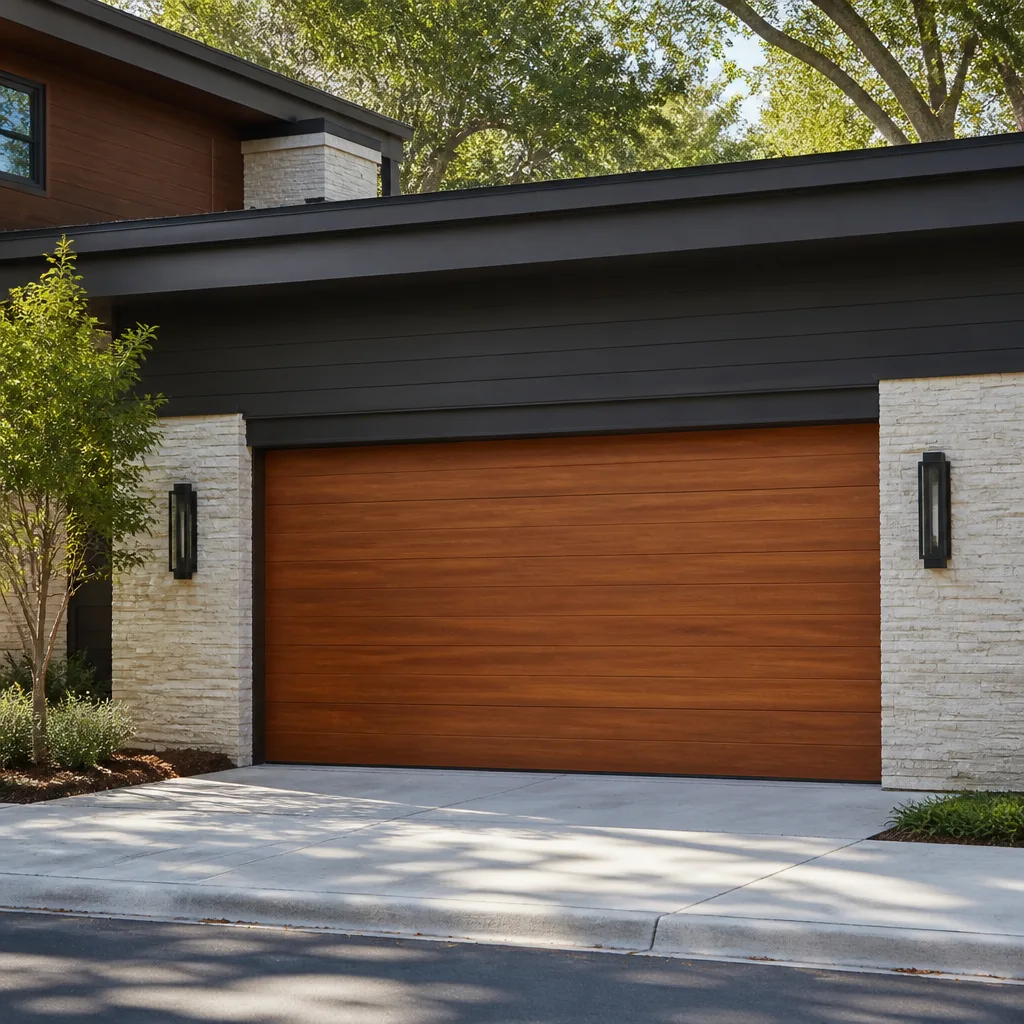 Modern flush
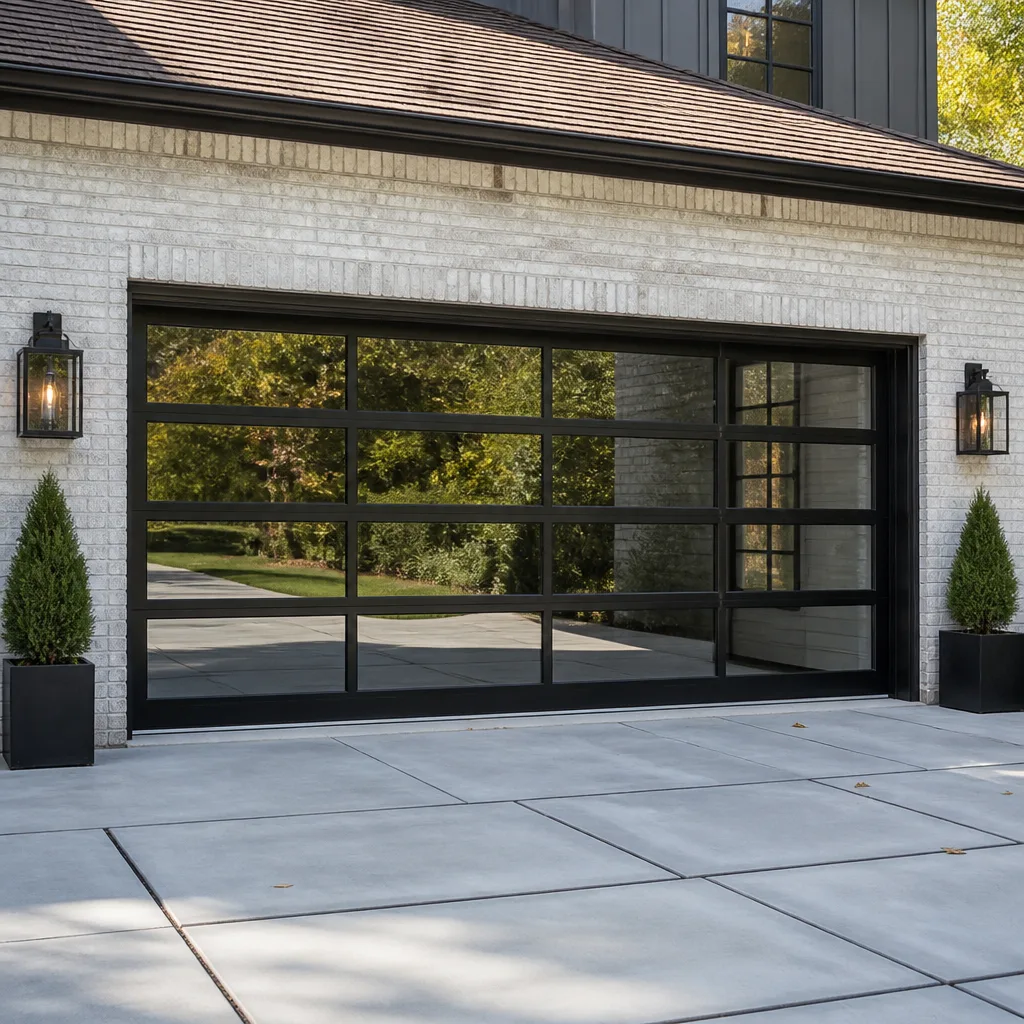 Full-view glass
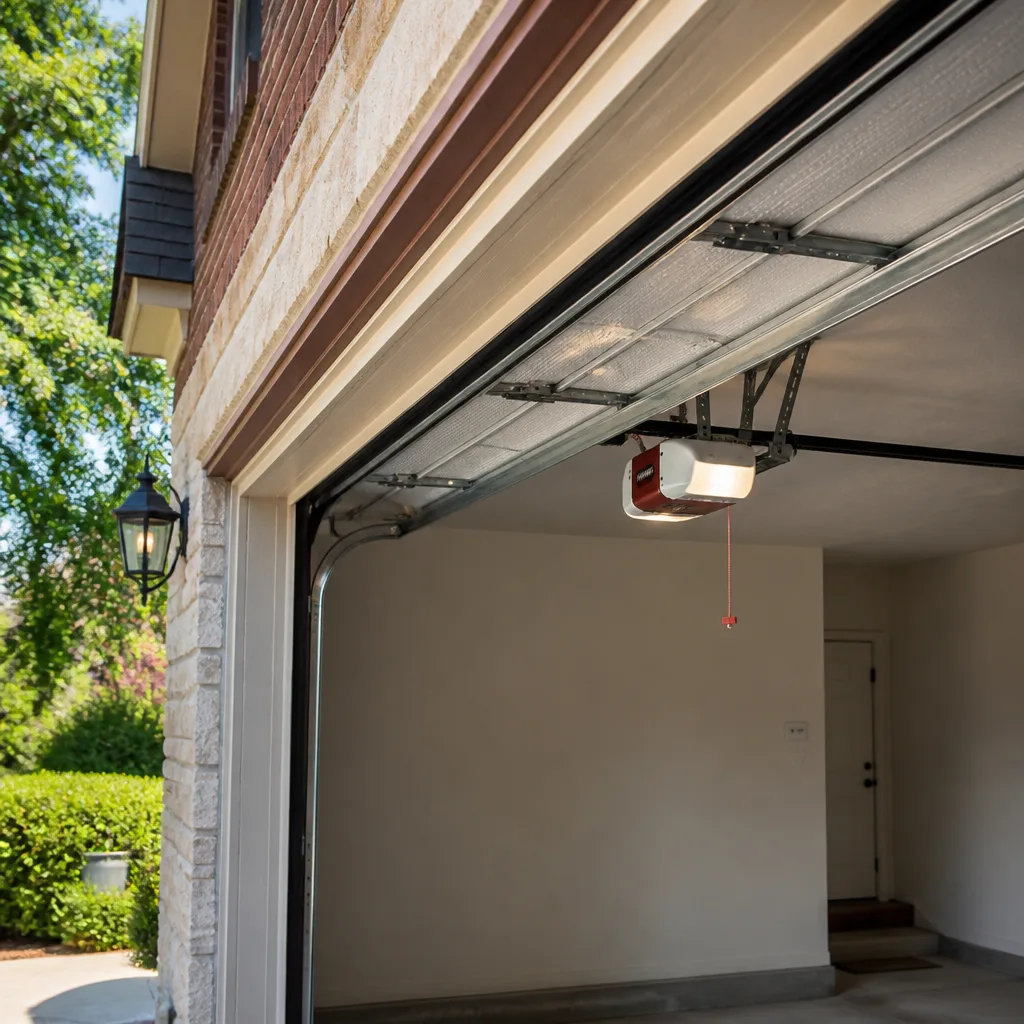 LiftMaster openers
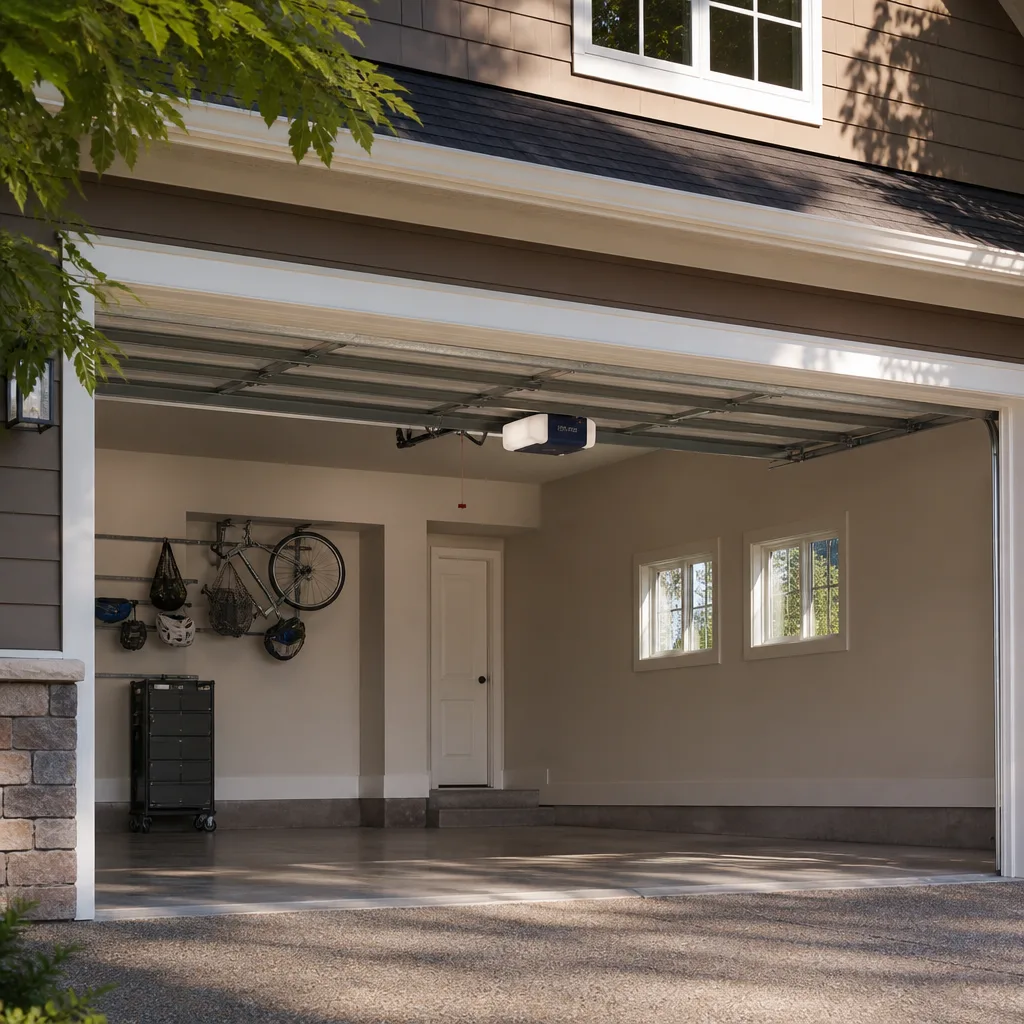 Chamberlain openers
Full 25-point door and opener safety check with every visit - springs, cables, rollers, tracks, and your LiftMaster or Chamberlain opener included
You get a price before we start. It does not change when the truck arrives.
Get your free estimateGarage Door Repair Maintenance Checklist for Valencia Homeowners
If your maintenance checklist says “lubricate springs every six months,” it was written by someone who has never serviced a door in a garage that hits 115°F in August. Lubricant viscosity breaks down on a completely different schedule in the Santa Clarita Valley. A generic checklist fails Valencia homeowners because it ignores what actually happens here: Santa Ana winds that blast grit into tracks, summer slab expansion that shifts sensor alignment, and a dry-season to wet-season transition that hardens weather seals at the worst possible moment. This guide is a different kind of checklist. It’s organized around the specific moments in the Valencia calendar when your door’s components come under real stress, with pass/fail tests you can run yourself and no filler.
Quick Answer
A garage door maintenance checklist for Valencia homes should be driven by the local climate, not the calendar. Lubricate rollers, hinges, and springs with a synthetic silicone or lithium spray every three to four months, inspect weather seals each October before the first heavy rain, check sensor alignment after summer heat waves and Santa Ana wind events, and run a manual balance test whenever seasonal temperature swings exceed 30 degrees. These intervals reflect how Valencia’s specific heat, dust, and wind patterns stress garage door components.
Styles & brands we work with
- Raised-panel steel
- Carriage house
- Modern flush
- Full-view glass
- LiftMaster openers
- Chamberlain openers
Table of Contents
- The Valencia Seasonal Maintenance Calendar
- Lubrication: What to Use and What to Skip in SCV Heat
- Post-Santa Ana Wind Inspection Sequence
- The No-Tool Balance Test: Pass/Fail Protocol
- Weather Seal Inspection: The October Window Most Homeowners Miss
- Sensor Alignment Drift from Summer Slab Expansion
- Common Mistakes to Avoid
- When to Call a Professional
The Valencia Seasonal Maintenance Calendar
Most maintenance schedules say spring and fall. That advice ignores how the Santa Clarita Valley actually behaves. Valencia’s climate has two dominant seasons: a long, hot, dry stretch from May through October and a shorter, cooler, occasionally wet stretch from November through April. Neither one matches a coastal or mountain pattern, so the maintenance rhythm has to shift accordingly.
Here is the calendar that matches what we see in Valencia garages:
- March to April (transition into heat): Lubricate all moving parts. The rainy season is ending and the first 90-degree days are arriving. Dust starts accumulating faster. This is the most important lubrication window of the year.
- June to August (peak heat): Check sensor alignment and inspect lift cables for fraying. Concrete slabs expand in sustained triple-digit heat, and that expansion can nudge sensor brackets out of line. Lubricant thins faster, so re-lubricate if the door sounds dry or sluggish.
- September to October (Santa Ana season begins): Run the post-wind inspection sequence after any major Santa Ana event. Clean tracks of blown grit and re-check sensor alignment. Inspect the bottom weather seal now, before rain arrives, not after it is already leaking.
- November to December (first rains): Verify the bottom seal sits flush against the slab across the full width of the door. Check for daylight gaps at the sides. Lubricate one more time before cold snaps, though Valencia’s winter is mild enough that cold-related stiffness is rare compared to heat-related degradation.
- January to February (coolest stretch): This is the lowest-stress period for most doors in Valencia. Focus on opener function: test the auto-reverse, check remote range, and listen for unusual motor noise. Many opener failures surface now because the door itself is not the weak point.
The point of a calendar like this is that maintenance happens when the stress is about to arrive, not six months too late. A door lubricated in January and ignored until July has been through four months of heat-driven viscosity loss before you notice the screech. This calendar catches the problem before the noise starts.
For homeowners who prefer not to handle any of this themselves, a garage door repair visit can include a full maintenance pass. We work on the brand you already have, so the service call is about your door, not about selling you a new one.
Lubrication: What to Use and What to Skip in SCV Heat
Lubrication is the single most impactful maintenance task for a garage door in Valencia, and the one where the most bad advice circulates. The reason heat matters so much is viscosity. A lubricant that works well in a mild coastal climate thins out and drips off metal surfaces when garage temperatures climb past 100 degrees for days at a time. The right product holds its film strength through sustained heat.
What to use:
- Synthetic silicone spray with a PTFE additive. This is our default recommendation for rollers, hinges, and the torsion spring. It leaves a dry film that does not attract dust, which matters in Valencia because the dry season kicks up an enormous amount of fine particulate.
- White lithium grease spray for the torsion spring coils and the opener rail. Lithium greases handle heat well and stay put. Apply it lightly, then wipe off the excess.
- Garage-door-specific synthetic lubricant from a brand like Genie or Chamberlain. These are formulated for this exact application and hold up well in high heat. If you have a Chamberlain opener, matching the lubricant brand is not required, but those formulas are tested against the rail materials their openers use.
What to avoid:
- WD-40. It is a solvent and water displacer, not a long-term lubricant. It strips away existing lubricant film and evaporates fast. In Valencia’s heat, it is gone within days.
- Heavy axle grease on rollers. It gums up the bearings and attracts so much dust that the roller eventually seizes. We see this all the time in Valencia garages that share space with landscaping equipment or workshop dust.
- Motor oil or 3-in-1 household oil. Wrong viscosity, runs off steel and aluminum surfaces, and leaves a sticky residue that captures dust from every Santa Ana breeze that finds your garage.
Step-by-step lubrication protocol for Valencia:
- Open the door fully and disconnect the opener using the red emergency release cord.
- Spray each roller hinge where the roller stem meets the hinge barrel. One short burst is enough. More is not better; excess lubricant runs down the panel and collects at the bottom.
- Run a thin bead of white lithium along the top of the torsion spring coils. If you have an extension spring system, coat each spring from end to end.
- Spray the opener rail lightly with silicone. Wipe any drip marks off the rail track.
- Close the door manually once or twice to distribute the film, then reconnect the opener.
For doors with Craftsman openers, the rail tends to have a screw-drive design on some models. Screw drives want a heavier lithium application on the screw itself rather than a light silicone mist. For Raynor and LiftMaster systems, the rail type depends on the model year, so when in doubt, use the lighter silicone and run the opener once to listen for chatter. If the rail chatters, it needs more lubricant; you will hear it.
Post-Santa Ana Wind Inspection Sequence
Santa Ana winds are the most consistent external stressor on garage doors in Valencia. The wind itself rarely damages a door directly, but the grit and dust it drives into tracks, hinges, and weather seals create the conditions for premature wear. After a strong Santa Ana event, a ten-minute inspection catches small problems before they become service calls.
What the wind does: Fine dust and sand from the surrounding hillsides get forced into every gap. The vertical tracks are especially vulnerable because they form a natural channel for wind-driven debris. That grit mixes with whatever lubricant is on the track rollers and forms an abrasive paste. Left alone, it accelerates roller wear and produces the grinding sound many Valencia homeowners report in late fall.
Post-wind inspection sequence:
- Visual track check: Look at both vertical and horizontal tracks. Check for visible grit accumulation, small pebbles lodged in the track channel, or dust caked onto the roller stems.
- Roller wipe-down: Use a dry rag to wipe each roller free of dust and grit. Nine or ten rollers total on a standard sectional door. You do not need to remove the rollers; you are removing the surface contamination.
- Track cleaning: Wipe the inside channel of each track with a rag. For stubborn buildup, a small brush works. Then apply a light silicone spray to the inside of the track. Do not soak it; a thin film is enough.
- Sensor check: Wind can vibrate the sensor brackets and nudge them a fraction of an inch out of alignment. Run the sensor test described later in this guide after any wind event that rattled the garage door itself.
- Weather seal check: Wind-driven dust collects along the bottom seal and the side jambs. Wipe the seal clean and check for cracks or tears that the grit may have widened.
- Opener force test: Close the door and watch it descend. If it reverses for no reason, the grit has added enough friction that the opener’s auto-reverse threshold is now misread. Clean the tracks and re-run the test.
This sequence takes ten minutes and catches the failures we see most often after the first strong wind events of September and October. It is worth running again after any unusually intense Santa Ana stretch, especially if your garage faces an open hillside or a canyon mouth where wind funnels hard.
If the inspection turns up a bent track or a roller that has come out of the channel, that is beyond a homeowner fix. A garage door repair technician should evaluate the alignment before the door is operated again.
The No-Tool Balance Test: Pass/Fail Protocol
A garage door’s balance is the single most important mechanical property for longevity. A properly balanced door weighs almost nothing when opened by hand; the springs do essentially all the lifting. When balance drifts, the opener motor picks up the extra load, and that is when openers burn out years early or gears strip. The test takes two minutes and requires no tools.
How to run the test:
- Close the door completely.
- Pull the red emergency release cord to disconnect the door from the opener.
- Stand beside the door and grip the bottom handle or the bottom section edge.
- Lift the door to about waist height and let go.
Pass criteria:
- The door stays put at waist height, moving no more than an inch or two in either direction.
- The door moves smoothly through the full open and close range by hand with steady, moderate effort.
- The door does not slam down when released from any height.
Fail criteria:
- The door drifts upward on its own after release. This means the springs are over-tensioned for the door’s current weight, often because a panel was replaced with a lighter material or because spring adjustment was done imprecisely.
- The door sinks quickly when released. This means the springs are under-tensioned or losing tension, and the opener is doing more work than it should.
- The door is difficult to lift at all by hand. This is a red flag for spring failure, a misaligned track, or a panel that is binding against the jamb.
Important note on springs: Torsion springs and extension springs carry enormous stored tension. Never attempt to adjust, tighten, loosen, or replace a spring yourself. The pass/fail test tells you whether a problem exists; it does not authorize you to correct it. A spring under tension can release with enough force to cause severe injury. If the test fails, call a professional.
We run this exact test during every garage door repair visit in Valencia, and we recommend homeowners run it seasonally, especially after long heat waves. Heat does not weaken springs directly in most cases, but the thermal cycling of metal and the extra load from a door that has absorbed summer heat can expose a spring that is already nearing the end of its life.
Weather Seal Inspection: The October Window Most Homeowners Miss
In most of the country, people think about weather seals in November when the cold arrives. In Valencia, October is the month that matters, and most homeowners skip it entirely. The reason is the seasonal shift: the desert like dry season is ending, and the first measurable rain usually arrives between late October and mid November. If your bottom seal is cracked, stiff, or pulled away from the slab, the first rain is when you find out, usually at 6am with a wet cardboard box and a spreading puddle.
What to check in October:
- Bottom seal compression: With the door closed, walk to the inside and look along the bottom edge. You should see the rubber seal compressed evenly against the concrete with no visible daylight gaps. The slab in many Valencia garages has minor settling or texture variation; the seal has to flex to accommodate it.
- Side seal contact: Check the vertical weather stripping along both jambs. It should touch the door face without being crushed flat. Crushed seals leave gaps, and gaps let dust in all year and water in during storms.
- Seal flexibility: Press the bottom seal with your thumb. It should compress and rebound. If it feels rigid, clicks, or shows visible cracks, the rubber has hardened from a season of sustained heat and is due for replacement.
- Section joints: Run your hand along the bottom edge of each panel where it meets the panel below it. There is usually a thin seal or an interlocking lip at each joint. If any joint shows daylight from the inside, that seal is gone and water will track in during heavy rain.
The hardening process is gradual and heat-driven. A seal that was soft and pliable last March has spent six months in a garage that routinely exceeds 100 degrees. Rubber oxidizes faster in that environment than in coastal climates, even without any direct sun exposure. By October, a seal that has not been treated may have lost enough flexibility that it no longer compresses into the slab’s low spots.
Replacement of a bottom seal is a straightforward repair, and many homeowners handle it themselves with the correct seal profile for their door brand. The tricky part is matching the seal to the door: Clopay, Amarr, and Wayne Dalton doors all use different bottom retainer profiles, and a universal seal often leaks because the fit is not right. We carry brand-specific seals for the doors most common in Valencia, and the right part for your specific model is usually the difference between a dry garage and a repeat leak.
The fall transition is also the right moment to think about the full door system, not just the seals. If your door or opener is nearing the end of its service life, garage door opener repair or replacement can often be handled proactively before the rain arrives, rather than as an emergency during the first storm.
Sensor Alignment Drift from Summer Slab Expansion
Here is a failure mode almost no generic checklist mentions: concrete slabs in Valencia expand during the summer. This is not dramatic or visible to the eye, but it is real. A typical garage slab sees daily temperature swings from the low 60s at night to over 100 at the surface during peak afternoon heat in July and August. That thermal expansion is enough to shift the entire slab by a small fraction of an inch. The slab moves, and anything bolted to it or adjacent to it moves with it.
The photo-eye safety sensors on your door are mounted on brackets attached to the vertical tracks, which are bolted either to the wall framing or to the slab edge. When the slab shifts, the sensors can drift out of alignment. The drift is small, often less than a quarter inch, but that is enough to break the infrared beam between the two sensor eyes.
What the symptoms look like:
- The door refuses to close when you press the wall button or remote, but the opener runs.
- The door begins closing, reverses, and returns to fully open without any visible obstruction.
- One sensor light blinks or changes from green to orange or red.
- The problem appears in summer, gets worse during heat waves, and sometimes seems to resolve itself in cooler weather when the slab contracts.
How to check and correct:
- Close the garage door manually if the opener will not do it.
- Locate both sensors on the vertical tracks, about six inches above the floor.
- Look at the indicator lights. Both sensors should show a steady, solid light when aligned. If one is blinking, the beam is broken or misaligned.
- Loosen the wing nut or bracket screw holding the misaligned sensor.
- Adjust the sensor position, pointing it directly at the opposite sensor, until the light turns solid again.
- Tighten the bracket and run the opener. The door should close fully without reversing.
We see this pattern most often in Valencia garages with uninsulated doors and direct afternoon sun exposure. The slab on the sun-facing side heats faster than the shaded side, creating unequal expansion, which shifts the sensor plane. If sensor drift becomes a recurring summer problem, the long-term fix is usually to shim the bracket away from the slab edge or to remount the track with a small amount of play at the base. That is a five-minute correction during a service visit and worth requesting if you have fought sensor lights for more than one summer.
Sensor drift is one of the most common causes of “the door won’t close” calls we field in Valencia, particularly in August and September. It is quick to fix and usually not a sign of any deeper failure. But if alignment is set correctly and the door still reverses, there may be a problem with the opener’s logic board or the wiring, and that falls into garage door opener repair territory.
Common Mistakes to Avoid
- Lubricating on a schedule instead of on condition. Six-month intervals are a starting point, not a rule. In Valencia, a door used twice a day through a dusty summer may need lubrication every three months. Listen for changes in noise; that is the trigger.
- Using the wrong lubricant because it is what you have on the shelf. We touched on this earlier, but it bears repeating. WD-40, household oil, and axle grease all create more problems than they solve in SCV dust and heat.
- Ignoring sensor lights until the door will not close. A blinking sensor in June is easier to fix than the same problem in the middle of a September morning when you are already late for work. If the light blinks, investigate that day.
- Waiting until it rains to check weather seals. By the time water is coming under the door, the seal has been bad for weeks or months. October is the month to check, not November.
- Running a balance test once and assuming the result is permanent. Spring tension changes as the springs age, and a door that passed in March may fail in September. Run the test twice a year minimum.
- Adjusting door parts beyond your familiarity because “it looks simple.” Tracks, cables, and springs carry dangerous tension. The balance test is safe. Track realignment and spring work are not. If the inspection reveals a problem beyond cleaning and lubrication, stop and call for help.
When to Call a Professional
Some maintenance tasks are truly DIY: lubrication, cleaning, visual inspection, seal checking, sensor alignment. Others cross a line where the risk of injury or the cost of a botched fix is not worth it. Any work involving torsion or extension springs is firmly in that second category. Never attempt to remove, repair, or adjust a spring yourself, even with the door clamped and the opener disconnected. The stored energy is enough to cause crushing injuries or worse.
Cable work sits right next to springs in the danger category. A frayed cable that snaps under tension behaves like a steel whip. If your inspection shows cable fraying, broken strands, or a cable that has come off its drum, leave the door closed and call a technician.
Track realignment, panel replacement, opener logic board issues, and any problem where the door binds against the jamb are also professional territory. Garage doors are all we do, so when a Valencia homeowner’s maintenance reveals a real problem, the same company that can diagnose it can also repair it. Garage Door Repair Valencia offers free estimates in Valencia. Call (833) 754-9103. We answer 24/7. Fast dispatch from 7am to 7pm, Sunday through Friday.
See the difference
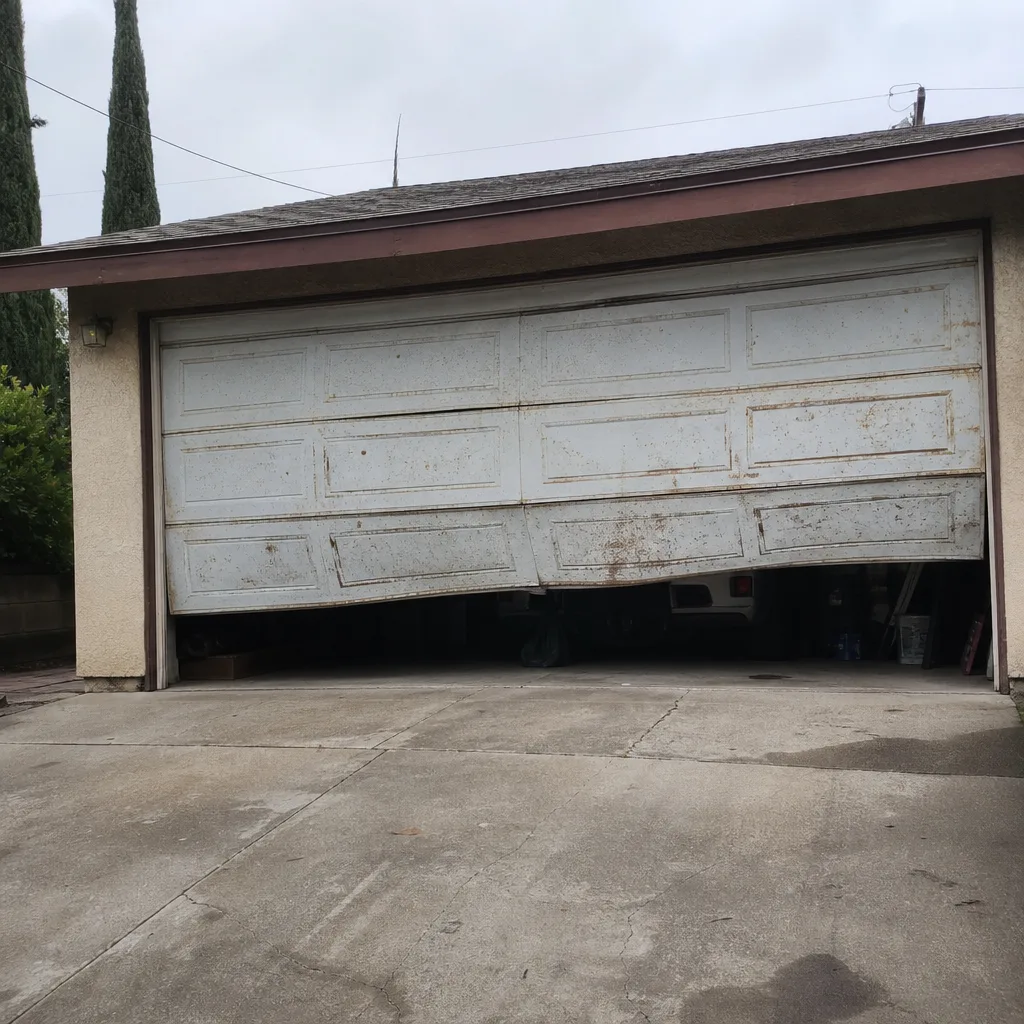 Before
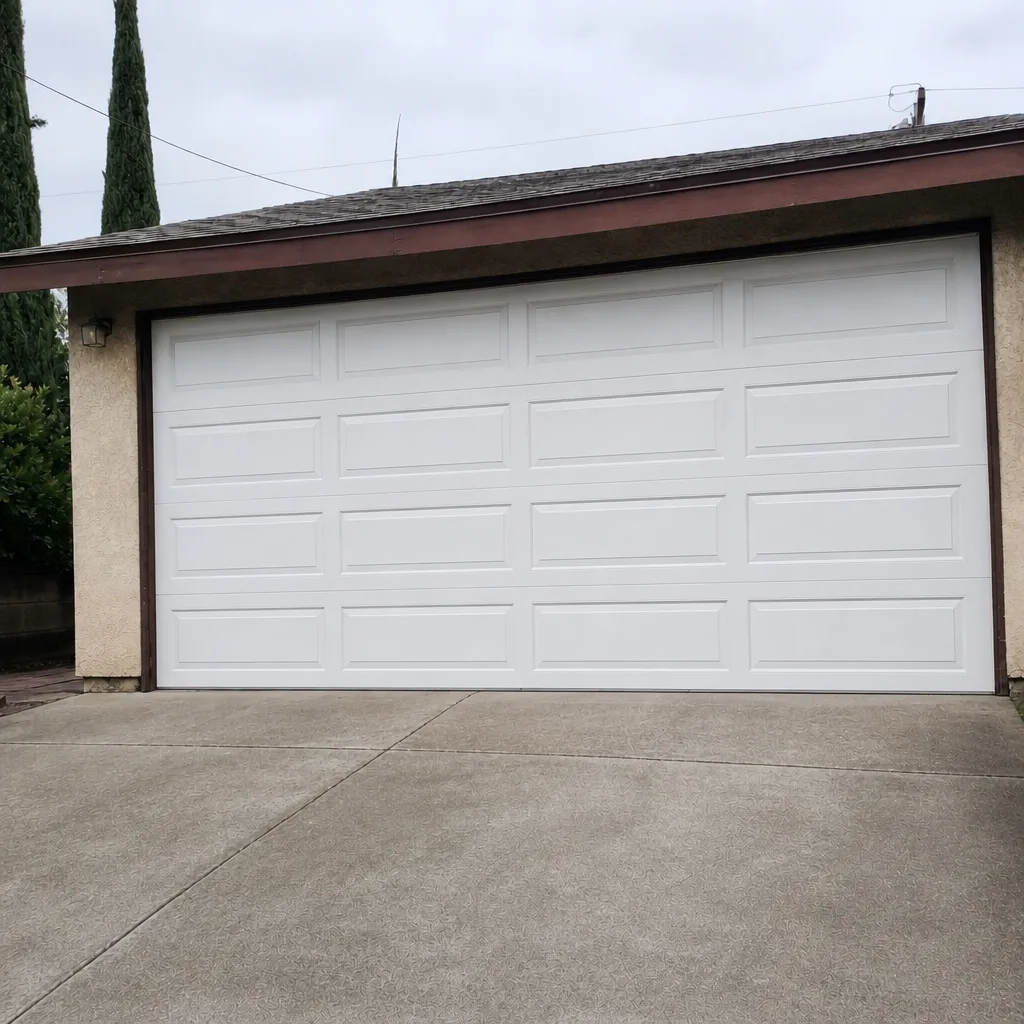 After
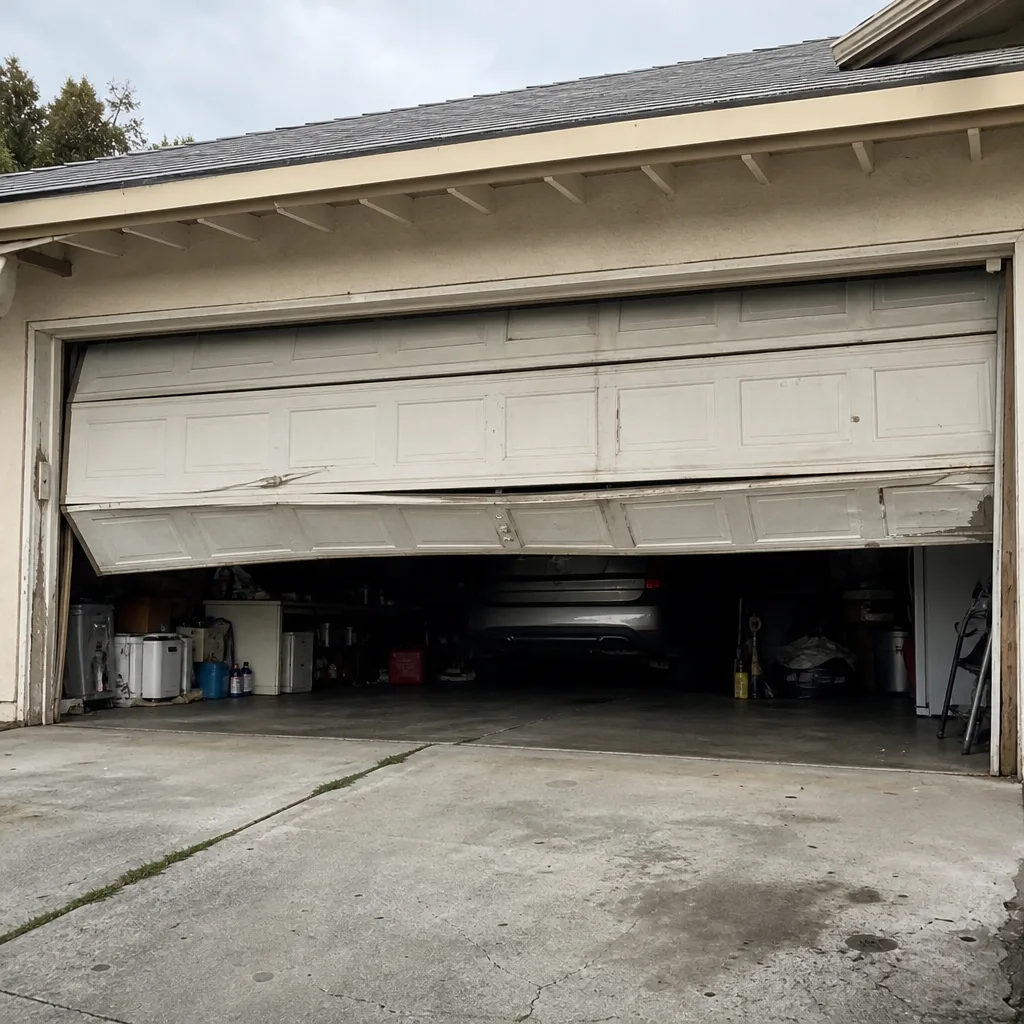 Before
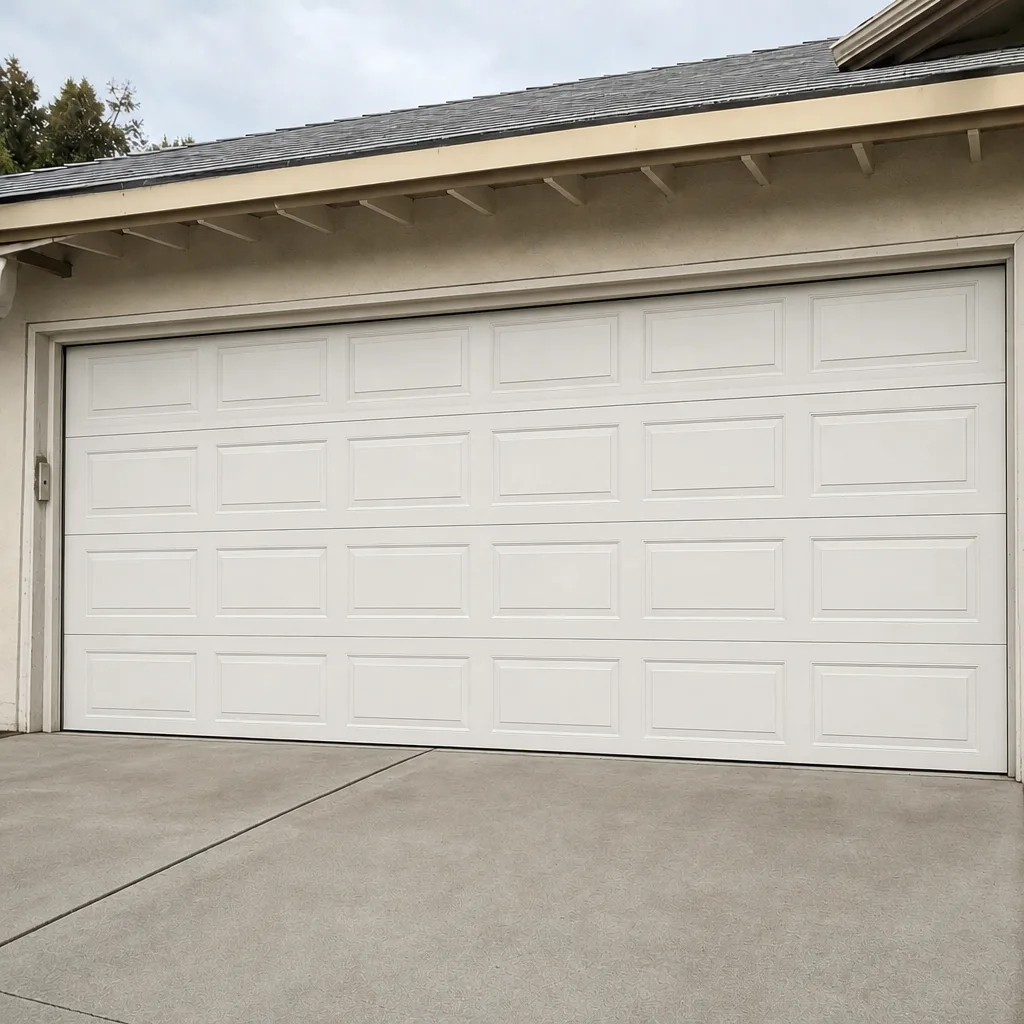 After
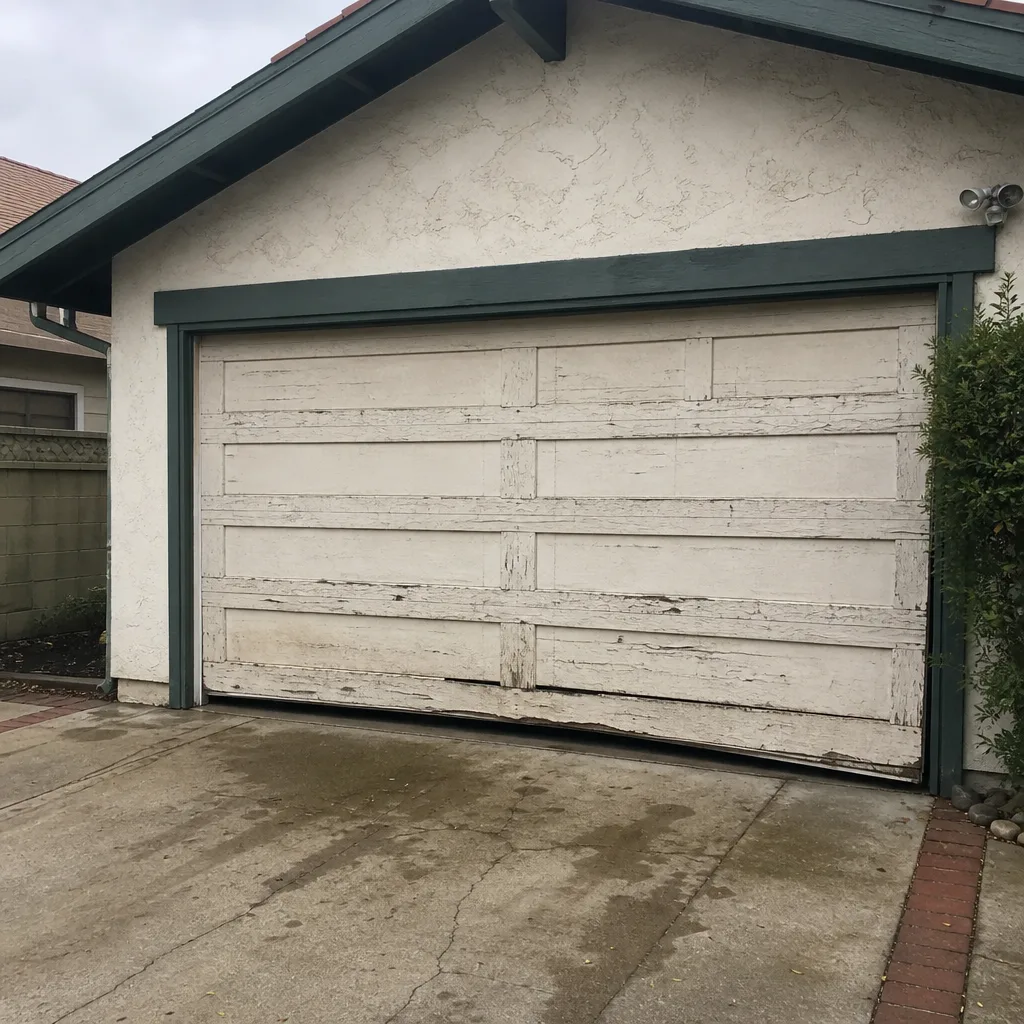 Before
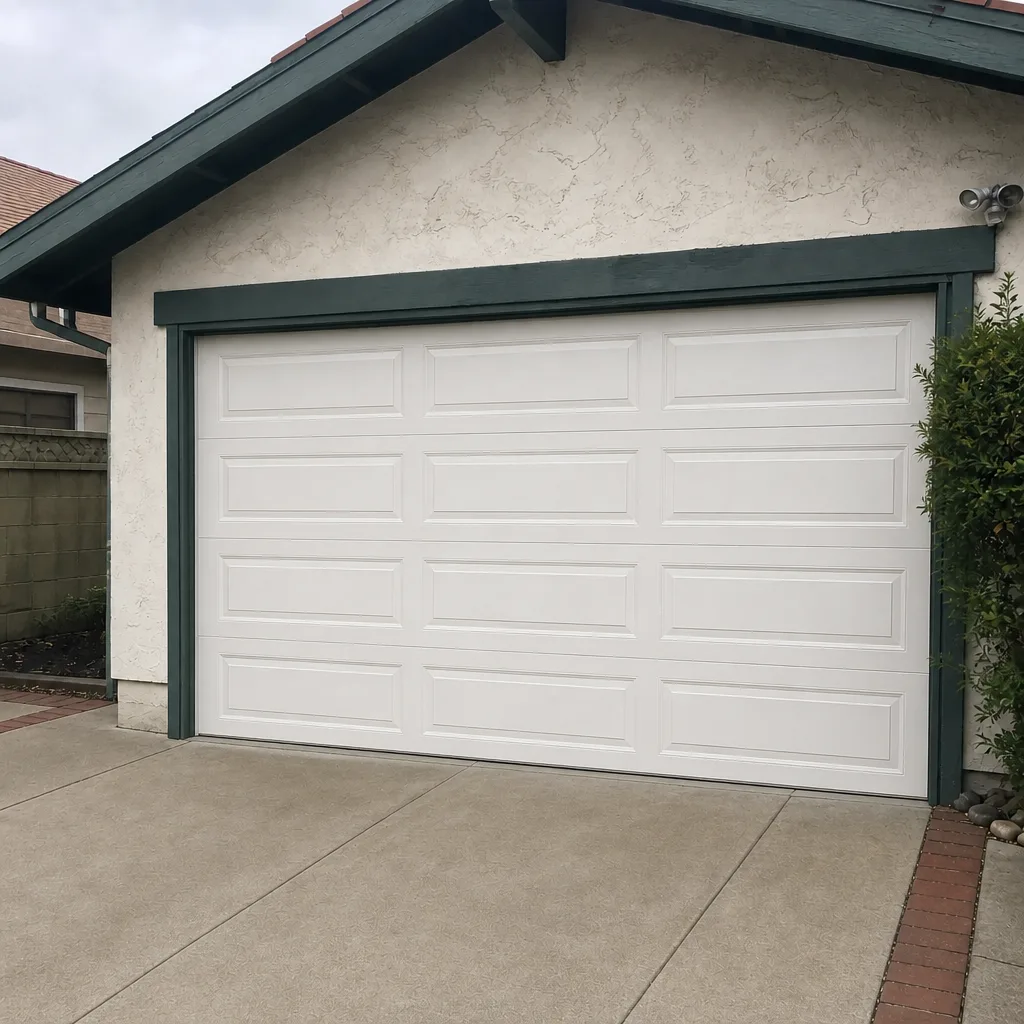 After
Frequently Asked Questions
Lubricate rollers, hinges, and springs every three to four months during the dry season, then once more in late fall before the rains. Valencia’s sustained summer heat breaks down lubricant faster than a coastal climate, so a door that sounds dry in August has probably been under-lubricated since June. For a free estimate or a maintenance visit, call (833) 754-9103.
A synthetic silicone spray with PTFE is the best all-around choice, with white lithium grease for springs and opener rails. Both hold film strength through Valencia’s triple-digit summer garage temperatures. Avoid WD-40, household oil, and axle grease, which thin out or attract dust in SCV conditions.
The most common cause in Valencia is photo-eye sensor drift from concrete slab expansion during sustained heat. The slab shifts slightly, the sensors lose alignment, and the opener’s safety system reverses the door. Check the sensor lights and realign the brackets if one is blinking. If the problem persists after realignment, call (833) 754-9103.
No. Torsion and extension springs hold enough stored tension to cause severe injury or death if mishandled. A maintenance checklist includes inspecting springs and running the balance test, but spring replacement is strictly a professional job. Call (833) 754-9103 for a spring inspection or replacement – estimates are free.
Check the bottom seal every October before the first significant rain. A seal that is cracked, rigid, or no longer compresses into the concrete has likely been degraded by six months of summer heat and should be replaced. Brand-specific seals fit better than universal ones, especially for Clopay, Amarr, and Wayne Dalton doors.
Disconnect the opener with the red release cord, lift the door to waist height, and let go. If it stays within an inch or two, it is balanced. If it drifts up or sinks down, the springs need attention. Call (833) 754-9103 for a balance inspection – the price is set per job by a written estimate, quoted and agreed before any work starts.
The Bottom Line
Valencia’s climate punishes garage doors in specific, predictable ways: summer heat thins lubricant and shifts sensor alignment, Santa Ana winds blow abrasive grit into tracks, and the fall transition finds weather seals at their most brittle right when rain arrives. A maintenance checklist built around those seasonal stress points keeps your door running quietly and your opener lasting longer than a generic twice-a-year routine. Run the balance test each spring and fall, re-lubricate when the door tells you it is dry, inspect after every major wind event, and check seals in October. For anything beyond cleaning and light adjustments, the right professional is a phone call away. Most residential systems, one company. From a jammed opener to a full new door, we handle it.
Call (833) 754-9103. We answer 24/7. Fast dispatch from 7am to 7pm, Sunday through Friday.
Written by the team at Garage Door Repair Valencia, serving Valencia since 2011.