
Last updated November 4, 2026
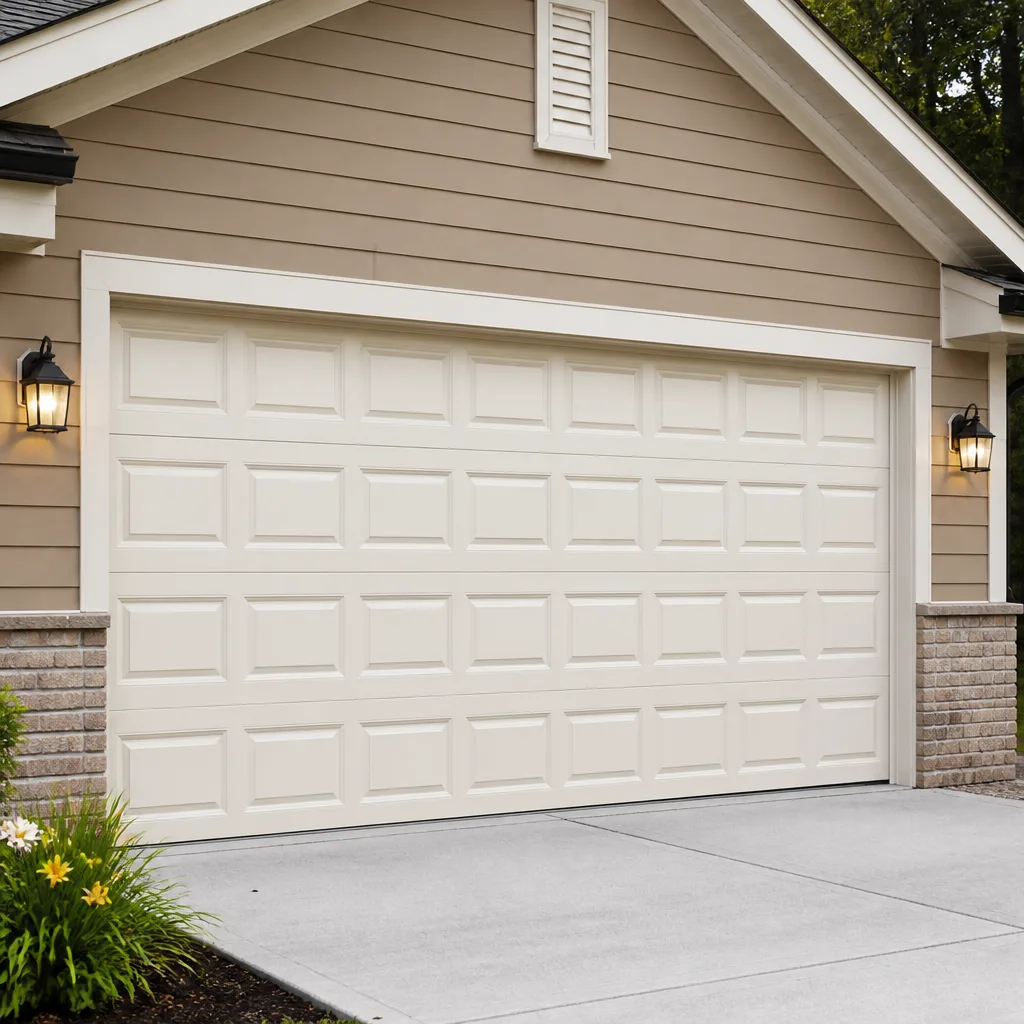 Raised-panel steel
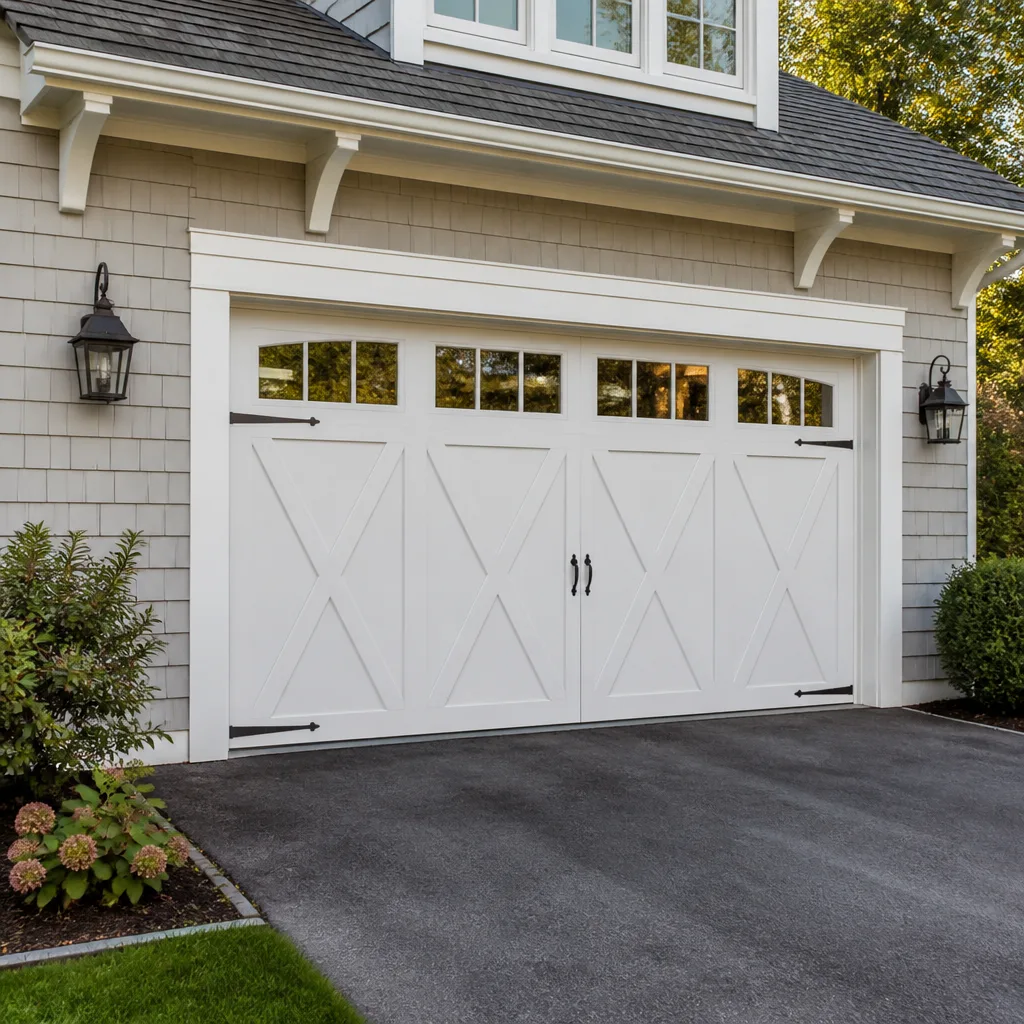 Carriage house
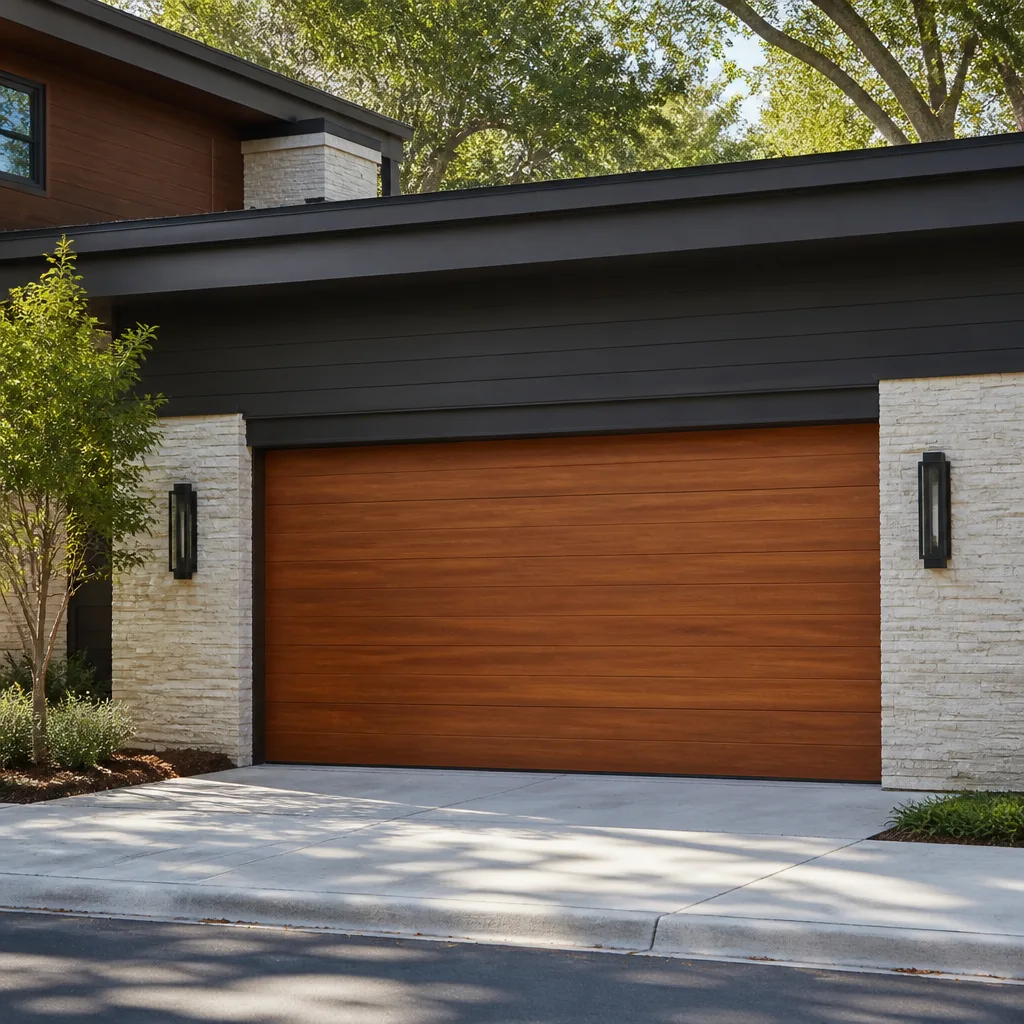 Modern flush
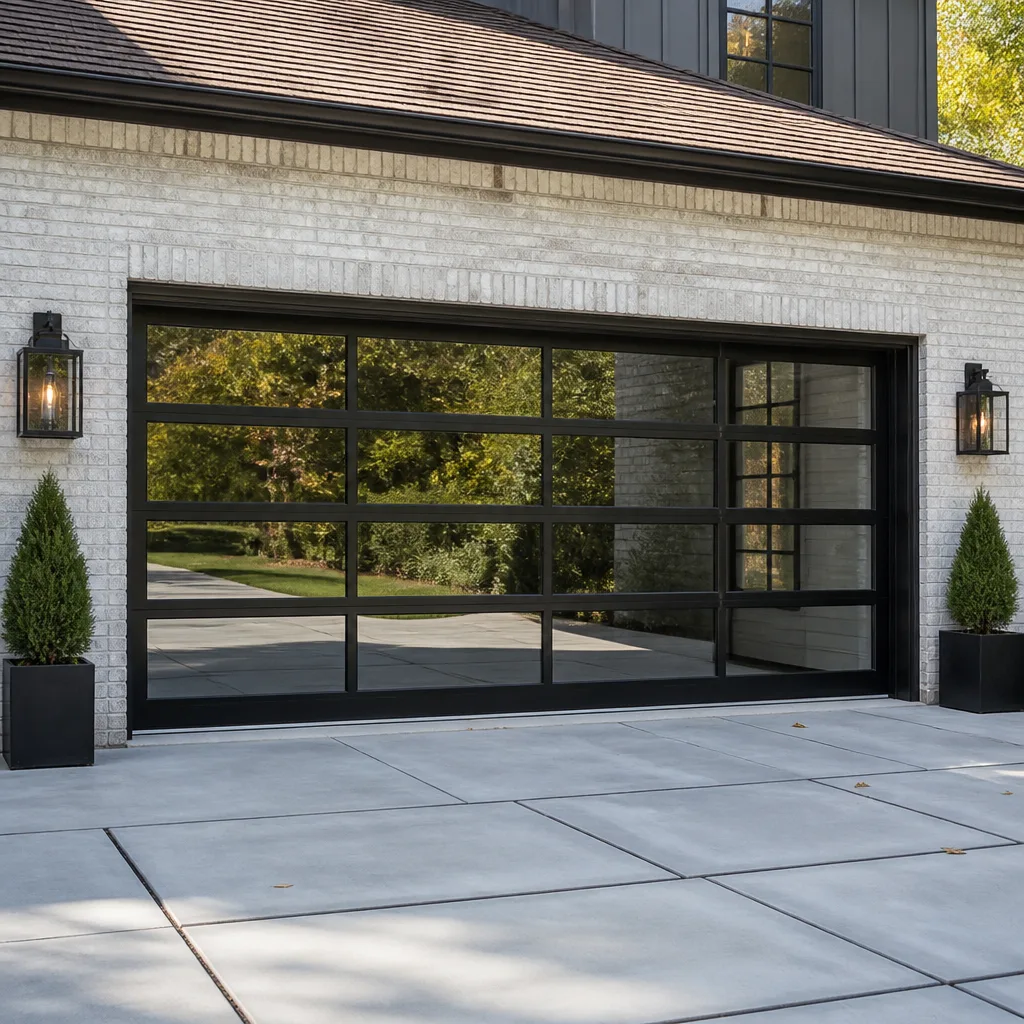 Full-view glass
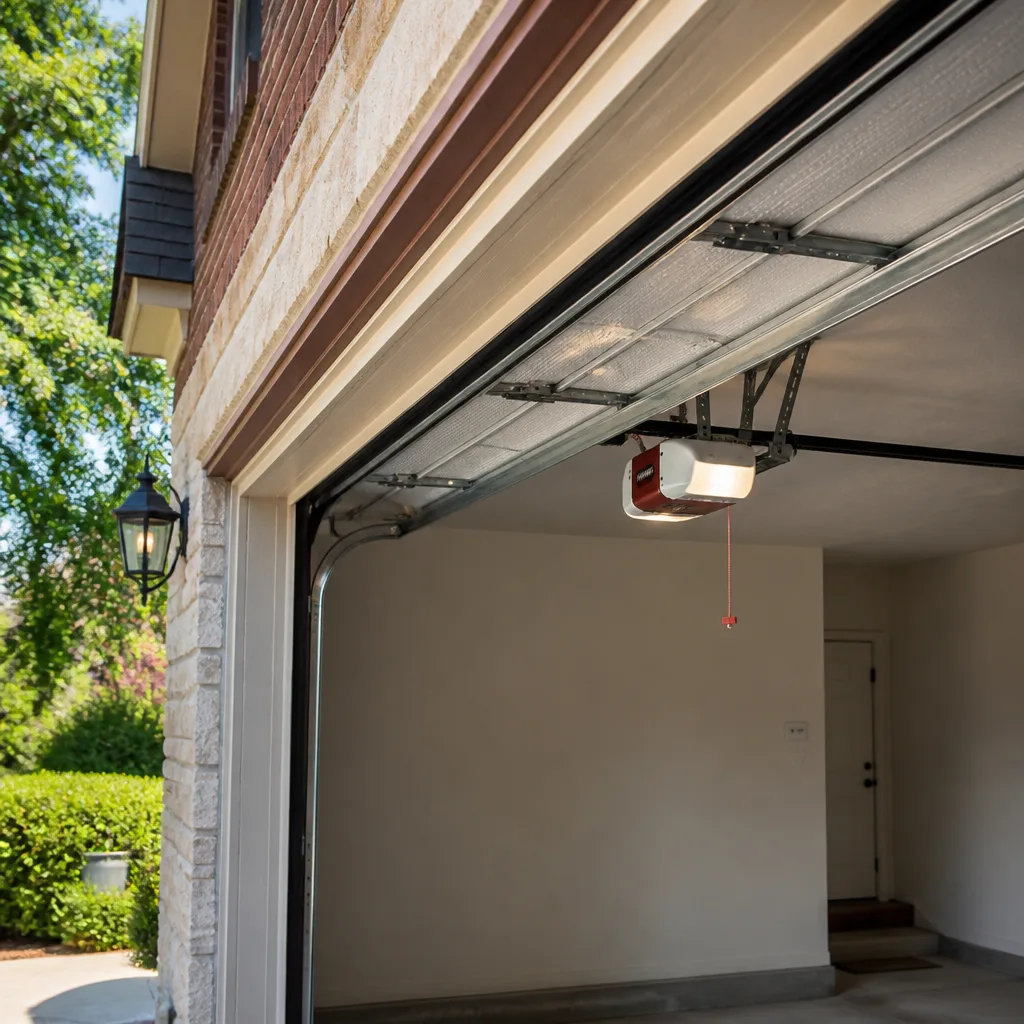 LiftMaster openers
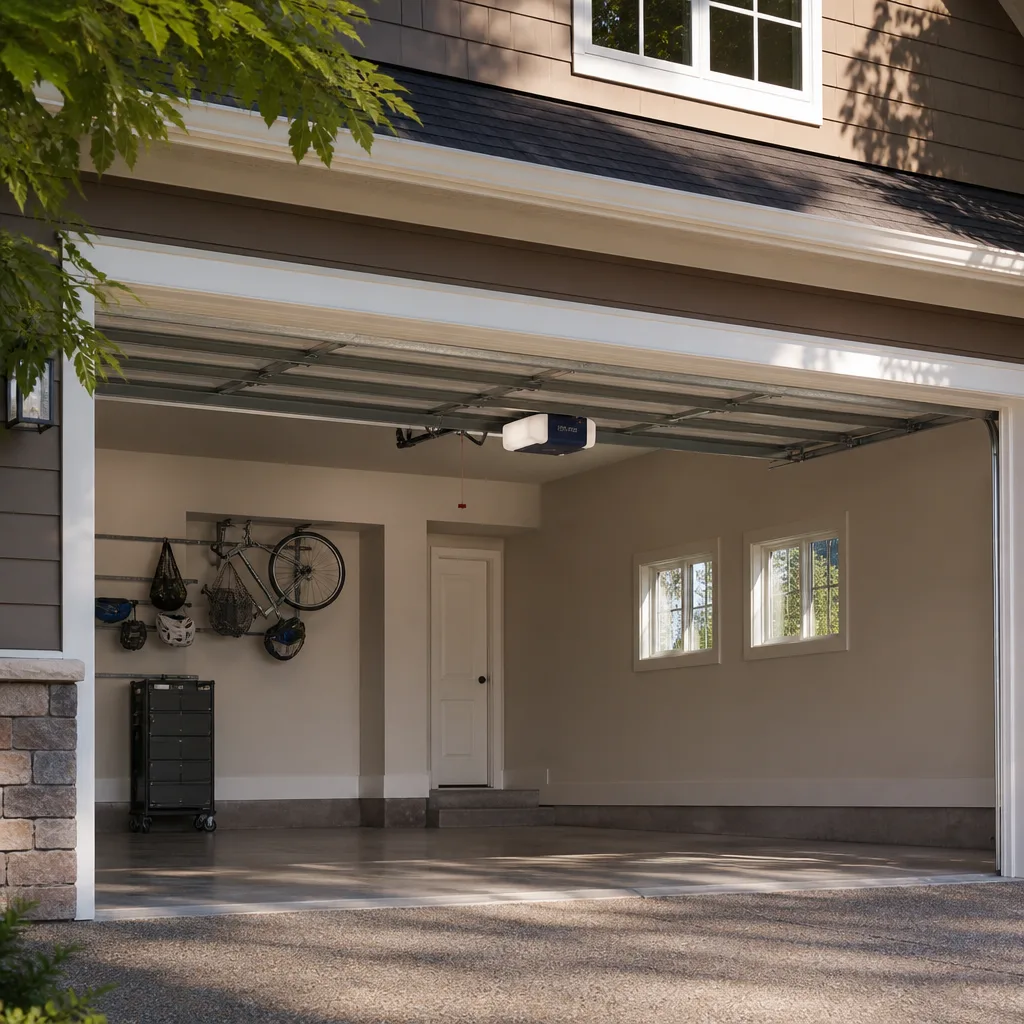 Chamberlain openers
Full 25-point door and opener safety check with every visit - springs, cables, rollers, tracks, and your LiftMaster or Chamberlain opener included
You get a price before we start. It does not change when the truck arrives.
Get your free estimateGarage Door Repair Maintenance Schedule: What to Do and When
The standard advice to lubricate your garage door every six months sounds reasonable until you realize a door used four times a day ages three times faster than one used twice. Parts wear by cycle count, not calendar months, and in Valencia’s dry, dusty air, the wrong lubricant can do more harm than no lubricant at all. This guide replaces the generic seasonal checklist with a maintenance plan built around how your household actually uses the door. You’ll learn which checks take five minutes, which ones catch problems before they strand you or injure someone, and when a Valencia garage door repair call is genuinely necessary.
Quick Answer
A practical garage door maintenance schedule combines a five-minute monthly walk-around, lubrication every 3,000 to 5,000 cycles (roughly every 6 to 12 months for most Valencia households), an annual balance test, and a professional inspection whenever you hear grinding, see uneven movement, or notice the door reversing unexpectedly. The schedule that matters is based on how often the door opens and closes, not on a fixed date. Springs, rollers, and cables all have cycle-based lifespans, so a twice-a-day door needs different service intervals than a six-times-a-day door.
Styles & brands we work with
- Raised-panel steel
- Carriage house
- Modern flush
- Full-view glass
- LiftMaster openers
- Chamberlain openers
Table of Contents
- Why Cycle Count Matters More Than the Calendar
- The Five-Minute Monthly Walk-Around
- Lubrication Done Right: What to Hit, What to Skip
- The Annual Balance Test
- Seasonal Notes for Valencia’s Climate
- What to Log After Each Service Visit
- Brand-Specific Maintenance Notes
- Common Mistakes to Avoid
- When to Call a Professional
- Frequently Asked Questions
Why Cycle Count Matters More Than the Calendar
A cycle is one full opening and one full closing of the door. Most residential torsion springs are rated for about 10,000 cycles. Rollers last anywhere from 10,000 to 15,000 cycles depending on material. Cables often survive 10,000 to 20,000 cycles but can fail early if the drum develops a groove or the cable rubs against a bracket. None of these components care what month it is. They care how many times they have worked.
Here is the math for a typical Valencia household. A door used twice each morning and twice each evening runs four cycles a day. That is roughly 1,460 cycles a year. A 10,000-cycle spring on that door lasts close to seven years. A household with two working adults, two school-age kids, and an active weekend schedule might run the door eight to ten times a day. That is 2,900 to 3,650 cycles annually, which cuts spring life to under four years. The homeowner who oils the door every spring without fail is still heading for a snapped spring far earlier than the calendar-based advice suggests.
Estimating your own usage is straightforward. For one week, count every opening and closing for all seven days. Divide by seven to get a daily average. Multiply by 365. That number is your annual cycle count. Write it down. It becomes the foundation for every interval in this guide. If your daily average is six cycles, your door sees about 2,190 cycles a year. If it is ten, you are at 3,650. The difference changes when you replace springs, when you lubricate, and when you should have a professional garage door repair technician inspect the system.
In our experience, most Valencia homeowners underestimate their door usage by a third or more. Garages here serve as workshops, gyms, storage spaces, and secondary kitchens in addition to car ports. A door that holds a parked car and a bicycle collection opens far more often than one that only moves when a vehicle comes or goes.
The Five-Minute Monthly Walk-Around
This check catches roughly 80% of developing problems before they turn into breakdowns. Do it with the door closed, then open, then halfway down. It takes five minutes and requires no tools.
- Look at the rollers. With the door closed, stand inside and look at each roller where it sits in the track. Nylon rollers should be intact with no flat spots or cracks. Steel rollers should not show rust pitting. A roller with a flat spot makes a thumping sound every time it passes a curve in the track.
- Watch the cables. Both lift cables should be taut with identical tension. On a torsion system, they should wind evenly onto the drums. A frayed strand or a gap between cable wraps on the drum is a warning sign. Do not touch a cable under tension. Note it and call a technician.
- Listen during one full open and close. A healthy door is quiet. A squeal usually means dry rollers or hinges. A metallic scrape suggests a track misalignment or a worn roller. A snap or bang is an immediate stop-and-call situation.
- Feel the door at the halfway point. With the door manually released (pull the red handle only when the door is closed, and see the safety note below), lift it to waist height and let go. It should stay roughly in place. If it drops, the springs are losing tension. If it climbs, the springs are over-tensioned. Either condition means an adjustment is needed.
- Check the weatherstrip along the bottom and sides. Valencia’s wind blows dust and debris against the door. Cracked weatherstrip lets that dust into the garage and onto the tracks, which accelerates roller wear and clogs the lubricant.
One safety note before you touch anything: garage door springs, especially torsion springs, hold enormous tension. The red release handle disconnects the door from the opener, but it does nothing to release spring tension. If you are unsure whether the handle is safe to pull, leave the door connected and call a professional. High-tension springs and cables have caused serious injuries to homeowners who tried to adjust or remove them without the right tools and training.
Lubrication Done Right: What to Hit, What to Skip
Lubrication extends the life of rollers, hinges, and springs, but only when it is done with the right product and on the right schedule. In Valencia, the dry climate means dust is the enemy. Over-lubricated parts become magnets for grit, which acts like sandpaper on metal.
What to use: A lithium-based or silicone-based garage door lubricant. These come in spray cans at any hardware store. They penetrate the pivot points without leaving a wet film that captures dust.
What not to use: WD-40 on rollers is a common mistake. WD-40 is a solvent and a light rust penetrant, not a lubricant. It strips away existing grease and leaves the roller bearing nearly dry within a week. It can quiet a squeak temporarily, but it shortens roller life. Never use general-purpose grease on torsion springs. Grease is too thick, it traps grit, and it prevents the spring coils from sliding against each other the way they must.
The three points to hit:
- Rollers (the bearing, not the wheel surface): Spray the stem and bearing area where the roller meets the hinge. On nylon rollers, avoid soaking the nylon wheel itself. It does not need lubrication against the track, and a wet wheel picks up dust.
- Hinges (all four hinge plates): Spray each pivot pin where the two halves of the hinge meet. Wipe away excess with a rag.
- Torsion spring (the coil surfaces): Spray lightly along the top of the spring coils. The goal is a thin film, not a drip. Wipe any excess immediately.
How often: Base it on your cycle count. If your door runs under 2,500 cycles a year, lubricate twice a year. If it runs 2,500 to 5,000 cycles, lubricate three to four times a year. If you are over 5,000 cycles annually, lubricate every two to three months. A garage that doubles as a woodworking shop or pottery studio in Valencia should lubricate more often because fine dust settles on everything.
After lubricating, run the door through one full cycle to distribute the lubricant, then wipe down any area that looks wet. A dry-looking film is what you want. A bead of oil is too much.
The Annual Balance Test
The balance test is a thirty-second check that tells you whether your springs are losing tension before the door fails mid-cycle. A door with weak springs strains the opener motor, wears the gear assembly faster, and eventually stops moving entirely, usually at the worst possible time.
Here is the test. It requires the door to be closed and the opener disconnected.
- Close the door completely.
- Pull the red emergency release handle on the opener rail. This disconnects the door from the opener carriage. The door remains under spring tension. Do not do this with the door raised.
- Lift the door by hand to roughly waist height, then let go.
- Observe. A properly balanced door stays roughly where you left it, drifting no more than a few inches in either direction.
- If the door drops toward the floor, the springs have lost tension. If the door pulls upward, the springs are over-wound. Both are abnormal.
- Lower or raise the door gently by hand to the full closed position, then reconnect the opener by pulling the release handle again or running the opener until it re-engages (follow your opener’s manual).
An unbalanced door is not something to ignore. The opener motor replaces the missing spring effort, which burns out the motor and the plastic drive gear far sooner than normal wear would. A spring adjustment requires specialized winding bars and a precise feel for the tension. A trained technician does this safely in under an hour. If you are in Valencia and the test shows drift, a Garage Door Repair Valencia call is the right next step.
Seasonal Notes for Valencia’s Climate
Valencia does not get the freeze-thaw cycles or road salt that northern garages deal with, so you do not need a winterizing ritual. What Valencia does have is heat, dryness, and dust, and each affects the door differently.
Summer heat softens nylon components and expands metal. Tracks that are marginally misaligned in June become binding tracks in August when the rail expands. If your door hesitates, shudders, or reverses during the hottest part of the day but runs fine in the morning, heat expansion is likely. The fix is usually a track adjustment of a quarter inch or less, not a new door.
Dust is year-round in Valencia. It settles on lubricated surfaces, works into roller bearings, and clogs opener sensors. The monthly walk-around includes wiping the sensor lenses with a dry cloth. The lubrication schedule above already accounts for the need to reapply after dust builds up.
Wind rattles hardware loose over time. After a Santa Ana wind event, check the hinge bolts and track mounting brackets. A track bracket that has loosened from the wall will let the track flex, which makes the door louder and accelerates roller wear.
Hail is uncommon in Valencia, so hail-specific inspection is not a regular need. Storm and impact damage does happen, typically from wind-blown debris or a vehicle bump from inside the garage. After any impact, check the panel alignment and the track for a fresh dent or bow.
Many Valencia homeowners also run their door more in the summer as kids go in and out on bikes, through the garage and back into the house a dozen times a day. If your July cycle count doubles, your next spring replacement comes sooner than the fall checklist implies.
What to Log After Each Service Visit
A written service history is the cheapest diagnostic tool a homeowner can keep. When a technician arrives for a garage door opener repair or a broken spring, the first question is usually, “What has been done to this door before?” Most homeowners answer from memory, and memory is unreliable. A simple log solves this.
Keep a small notebook or a note on your phone with these entries after each visit:
- Date of service.
- What was done. Spring replacement, roller replacement, track realignment, opener gear replacement, sensor adjustment.
- Parts used. Brand and model where possible. A Craftsman door with a LiftMaster opener has two different parts histories, and a future technician needs to know both.
- Cycle count at time of service. If you have been tracking daily averages, write down the estimated cumulative cycles. Springs replaced at 9,800 cycles tells a different story than springs replaced at 5,200 cycles.
- Technician’s notes. Anything they mention about wear patterns, noise, or future concerns.
- Photos. A quick phone photo of the spring, the drum, and any worn part before and after replacement costs nothing and answers questions years later.
This history pays off when a problem recurs. A door that breaks a cable twice in three years is telling you something specific: usually a drum issue or a cable that is the wrong length for the drum. Without a log, the second technician starts from zero. With a log, they see the pattern immediately. The same applies to openers. An opener that strips a drive gear every 18 months usually has an underlying balance problem that the previous repair did not address. A log makes that connection obvious.
For homeowners with older homes in Valencia, a log is especially valuable. Doors installed by previous owners carry no history. The first service visit establishes a baseline, and everything after that is documented.
Brand-Specific Maintenance Notes
We work on the brand you already have, and across the eight major residential brands we service, a few patterns repeat. These notes are not brand recommendations. They are what a technician sees on doors that have been in service for five or more years.
LiftMaster and Chamberlain openers share most mechanical components. The plastic drive gear inside the opener is a known wear point, and it fails faster when the door is unbalanced. If your LiftMaster or Chamberlain opener makes a grinding sound but the motor runs, the gear is likely stripped. The fix is a gear replacement, not typically an entire new opener. In Valencia, heat accelerates plastic gear wear, so a summer grinding noise should not wait until fall.
Craftsman doors span two eras: older units built with heavier steel components and later units built during the brand’s transition to lighter construction. The maintenance schedule above does not change, but older Craftsman doors often have steel rollers that benefit more from regular lubrication than nylon rollers do. If the rollers are original steel and the door is loud, roller replacement with nylon is a direct noise and smoothness upgrade.
Raynor doors are less common in residential Valencia but show up in custom installations. Their torsion spring ratings are generally consistent with the 10,000-cycle industry standard. One thing worth noting: Raynor’s residential line often uses springs with a specific wire size that a generic parts truck will not carry. The right part for your specific model matters here more than most.
The takeaway is not that one brand needs more care than another. It is that a technician who knows the brand you own can diagnose faster because they already know where that brand tends to wear. A brand-agnostic approach means the recommendation follows the problem, not a dealer arrangement. Most residential systems, one company.
Common Mistakes to Avoid
- Lubricating on a calendar schedule without knowing cycle count. A door running 5,000 cycles a year needs lubrication every two to three months. A door running 1,200 cycles a year can go a full year between applications. Both are normal households; the calendar is wrong for at least one of them.
- Using WD-40 on rollers. It strips lubricant instead of adding it. The door gets quiet for a week, then gets louder and the bearing wears faster.
- Ignoring a noisy door. A squeal or scrape is a diagnostic signal, not a personality trait. Every week it continues, the underlying part wears more. A $40 roller replacement delayed six months can become a $400 track repair.
- Skipping the annual balance test because the door still works. The door opens because the opener is doing the spring’s job. You will not notice the strain until the opener motor fails or the gear strips.
- Replacing one spring instead of both. Torsion springs are replaced in pairs. When one 10,000-cycle spring snaps, the other is at roughly the same cycle count. Replacing one leaves the old spring to fail weeks or months later, and you pay for labor twice.
- Doing spring or cable work without training. The tension in a torso spring can maim or kill. Adjustment requires winding bars of the correct diameter and a specific technique. This is the single most dangerous part of any garage door, and no amount of YouTube confidence makes it safe.
- Not logging service work. Memory is not a maintenance plan. A two-line note after each visit saves diagnostic time and catches recurring problems before they become breakdowns.
When to Call a Professional
Call a professional when you see a snapped spring, a frayed cable, a door that drops when released at the halfway point, a track that is visibly bent or pulled from the wall, or an opener that runs without moving the door. Call also when the door reverses for no reason, when the opener trolley moves but the door does not, or when the door has come off its track. These are not adjustment issues. They are structural or electrical failures that need training, tools, and the right parts. Garage doors are all we do, from a jammed opener to a full new door. If you are in Valencia, Garage Door Repair Valencia offers free estimates. Call (833) 754-9103 and we will diagnose the whole system, not just the part that failed.
Frequently Asked Questions
Base it on cycle count. Under 2,500 cycles a year means lubricate twice a year. Between 2,500 and 5,000 cycles means three to four times a year. Over 5,000 cycles means every two to three months. In Valencia’s dusty climate, err toward more frequent lubrication with a thin application rather than a heavy coat less often. Call (833) 754-9103 if you want us to check your door’s lubrication and adjust the schedule to your usage.
You miss the earliest warning sign that a spring is losing tension, and the opener motor picks up the slack invisibly. The motor and its drive gear wear out faster, the door eventually fails to open, and the repair bill is larger than a spring adjustment would have been. The test takes thirty seconds and requires no tools.
We strongly recommend against it. Torsion springs hold enough tension to cause life-threatening injury. The winding and unwinding procedure requires specific bars and a trained feel for the torque. A technician carries the correct bars, the right replacement spring for your door’s weight and height, and the experience to do it safely. The cost of a professional spring replacement is far less than the cost of a spring-related injury.
Most residential torsion springs are rated for 10,000 cycles. A Valencia household running the door four times a day gets roughly seven years from a spring. A household running it ten times a day gets under four years. Track your cycle count and you will know when a replacement is approaching rather than being surprised by a snap.
Yes. The dryness means dust settles on lubricated parts and works into bearings, which requires cleaner, more frequent lubrication. Summer heat expands metal and can make a marginally aligned track bind. Wind loosens brackets and hinges. None of these are reasons to replace a door; they are reasons to do the monthly walk-around and keep a service log.
The estimate is free and the price is set per job by the written estimate, quoted and agreed before any work starts. There is no diagnostic fee, no trip charge, and no surprise upcharge once the technician arrives. Call (833) 754-9103 for a specific quote on your door’s problem. We answer 24/7. Fast dispatch from 7am to 7pm, Sunday through Friday.
The Bottom Line
A garage door maintenance schedule built on cycle count, not the calendar, is the only one that matches how your door actually ages. A five-minute monthly walk-around catches most problems early. Lubrication with the right product on a cycle-based interval keeps rollers and springs alive longer, and Valencia’s dust means thin applications, not heavy coats. The annual balance test reveals spring wear before the opener pays for it. A written service log turns every repair into a diagnostic asset. When any check turns up something you are not sure about, or when a spring, cable, or track issue appears, call (833) 754-9103. We answer 24/7. Fast dispatch from 7am to 7pm, Sunday through Friday.
Written by the team at Garage Door Repair Valencia, serving Valencia since 2011.
See the difference
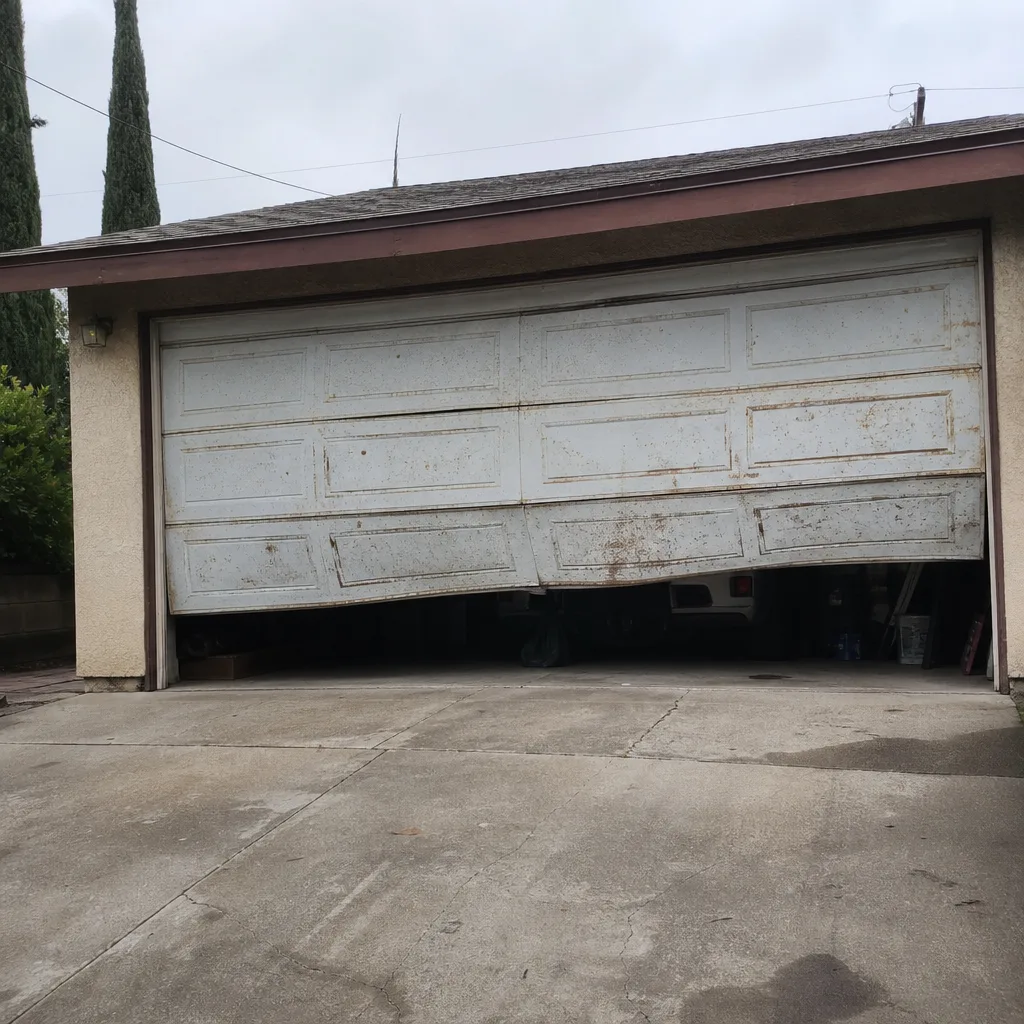 Before
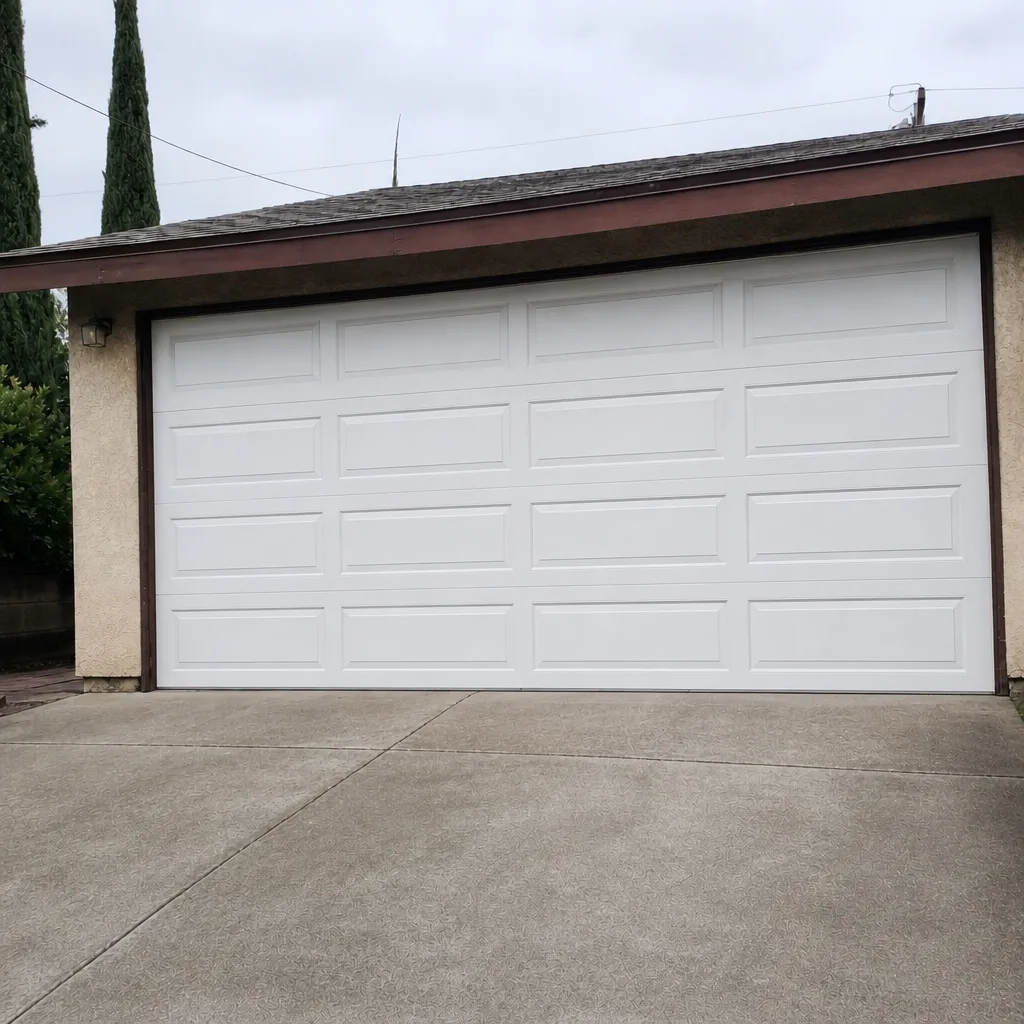 After
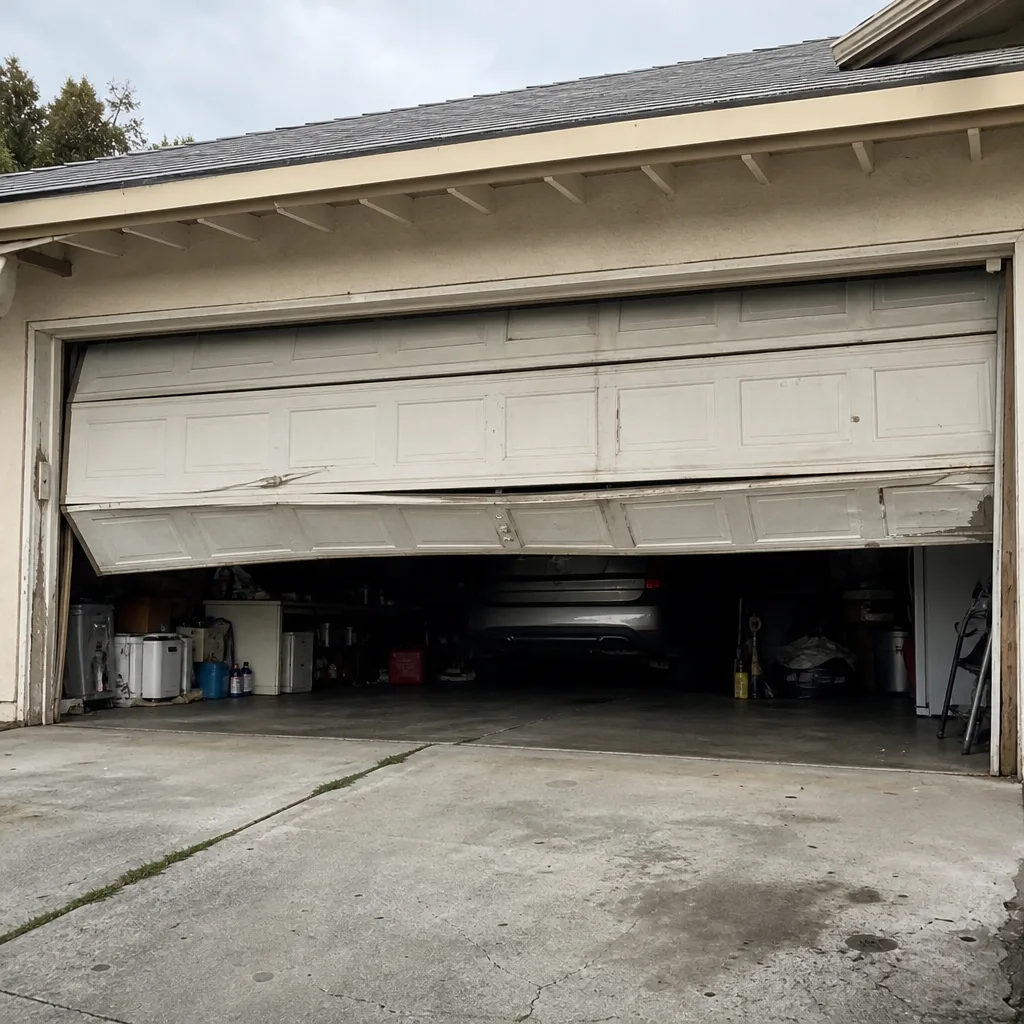 Before
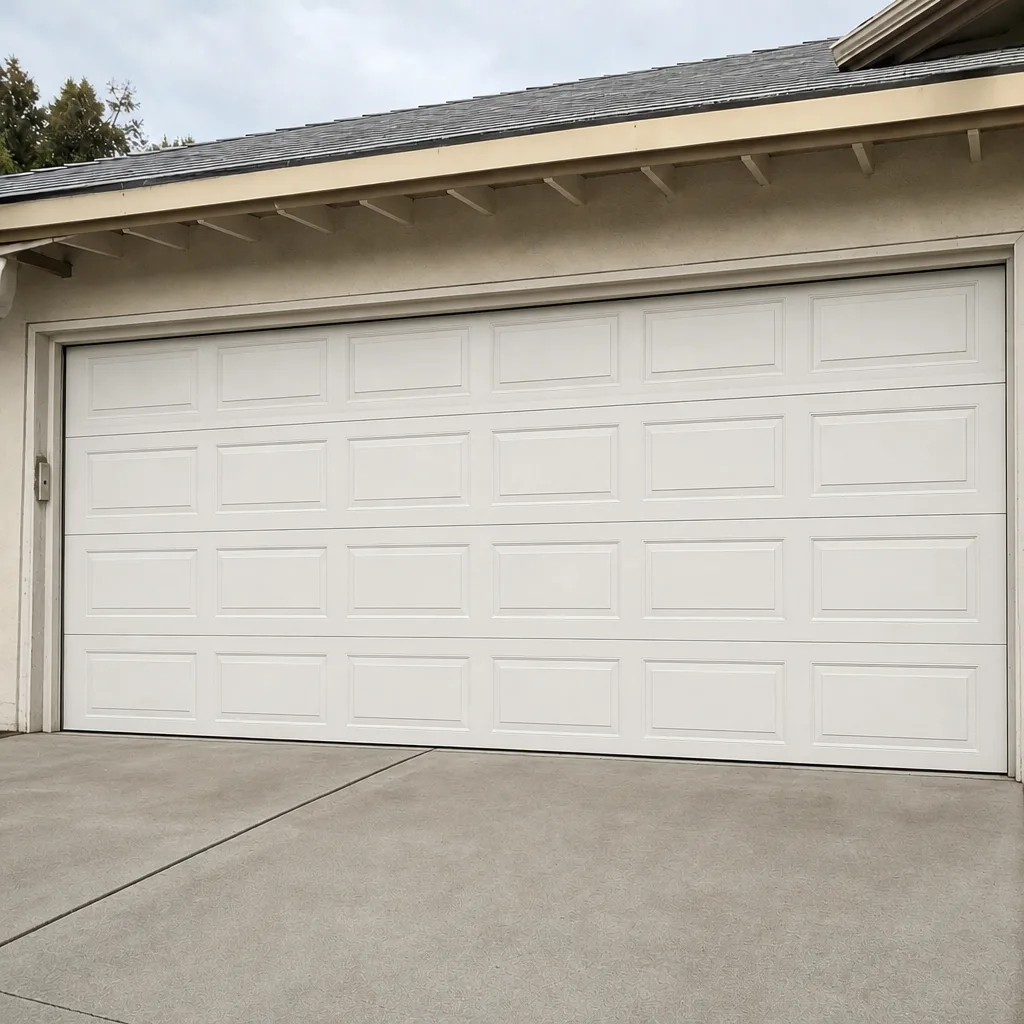 After
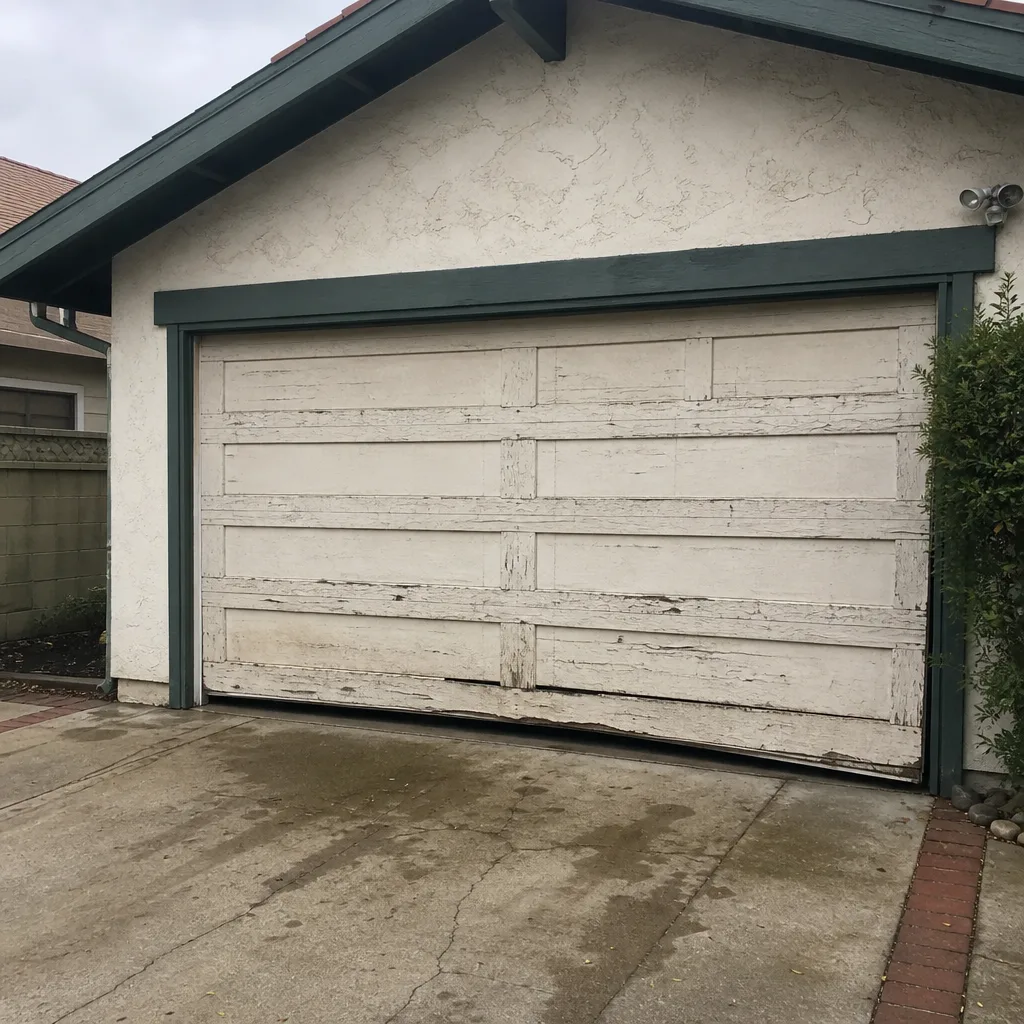 Before
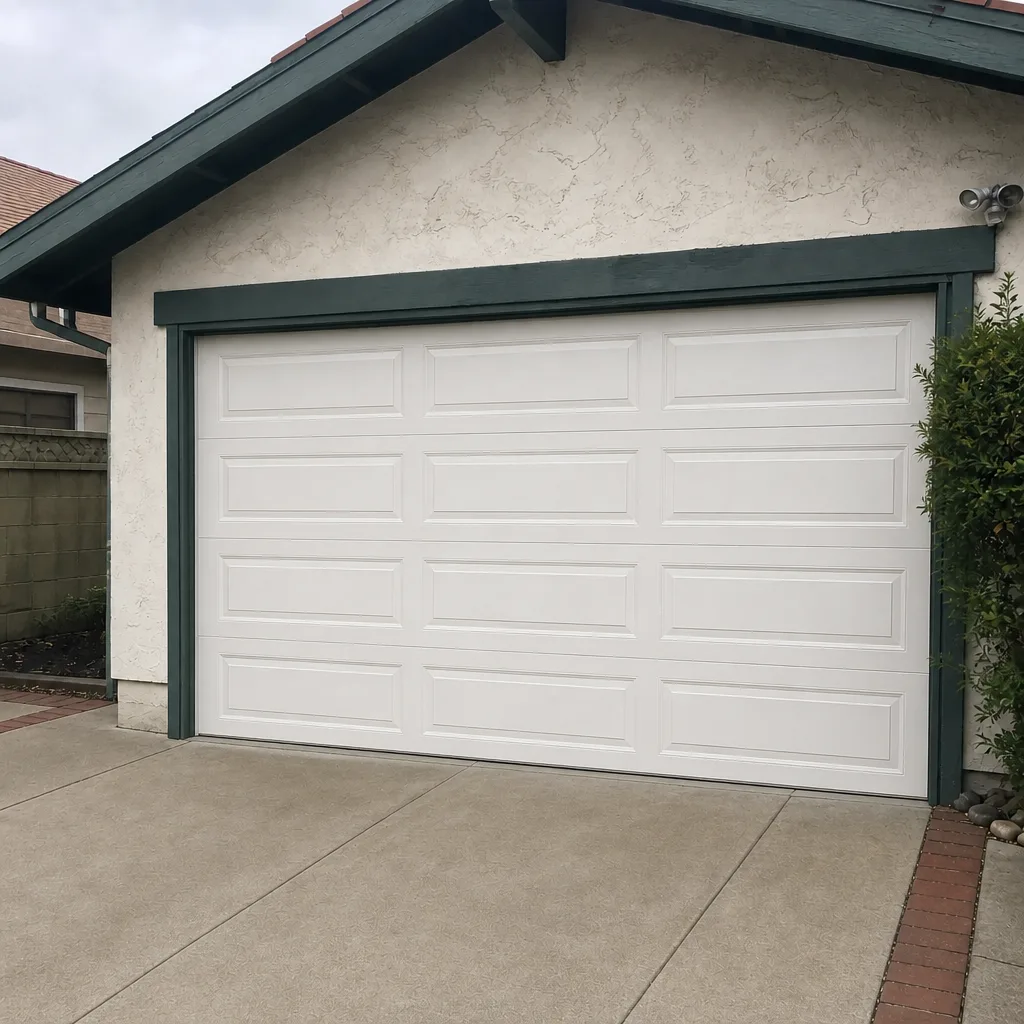 After