
Last updated November 4, 2026
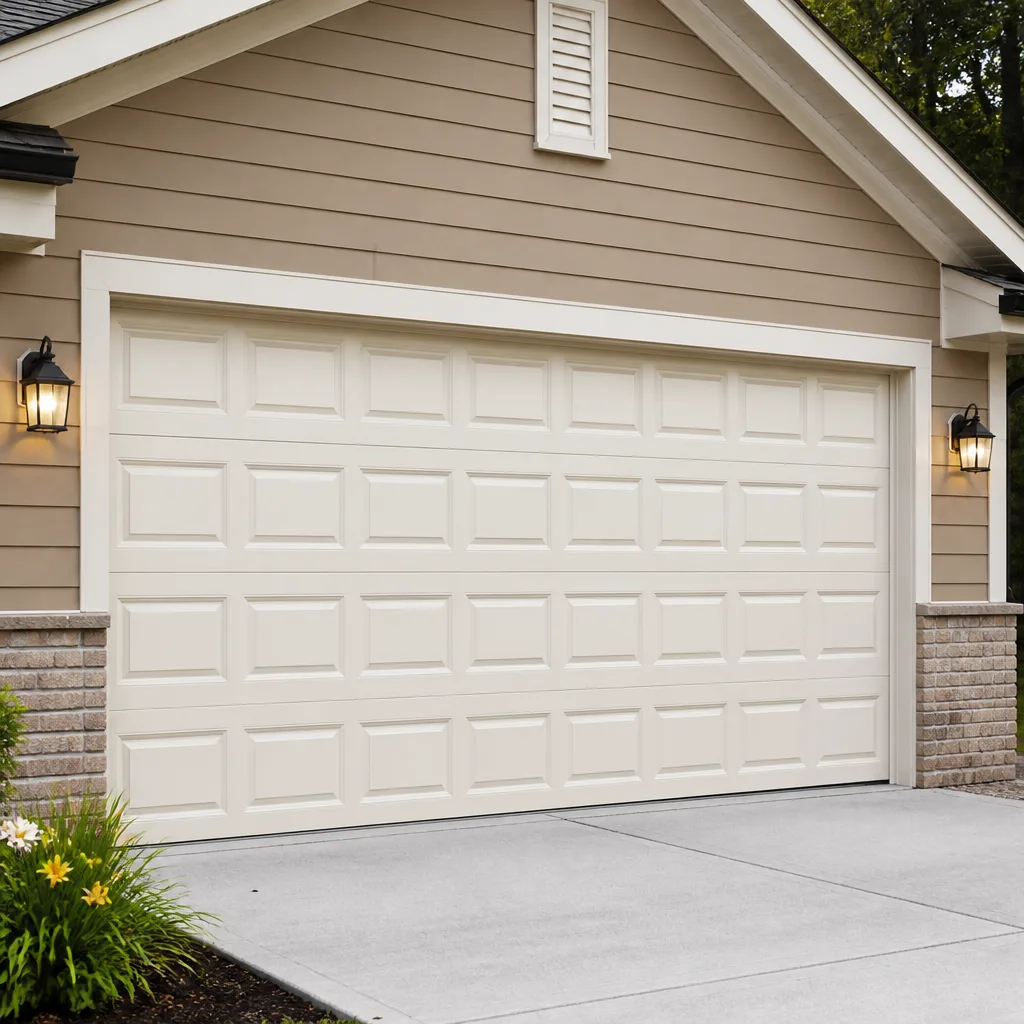 Raised-panel steel
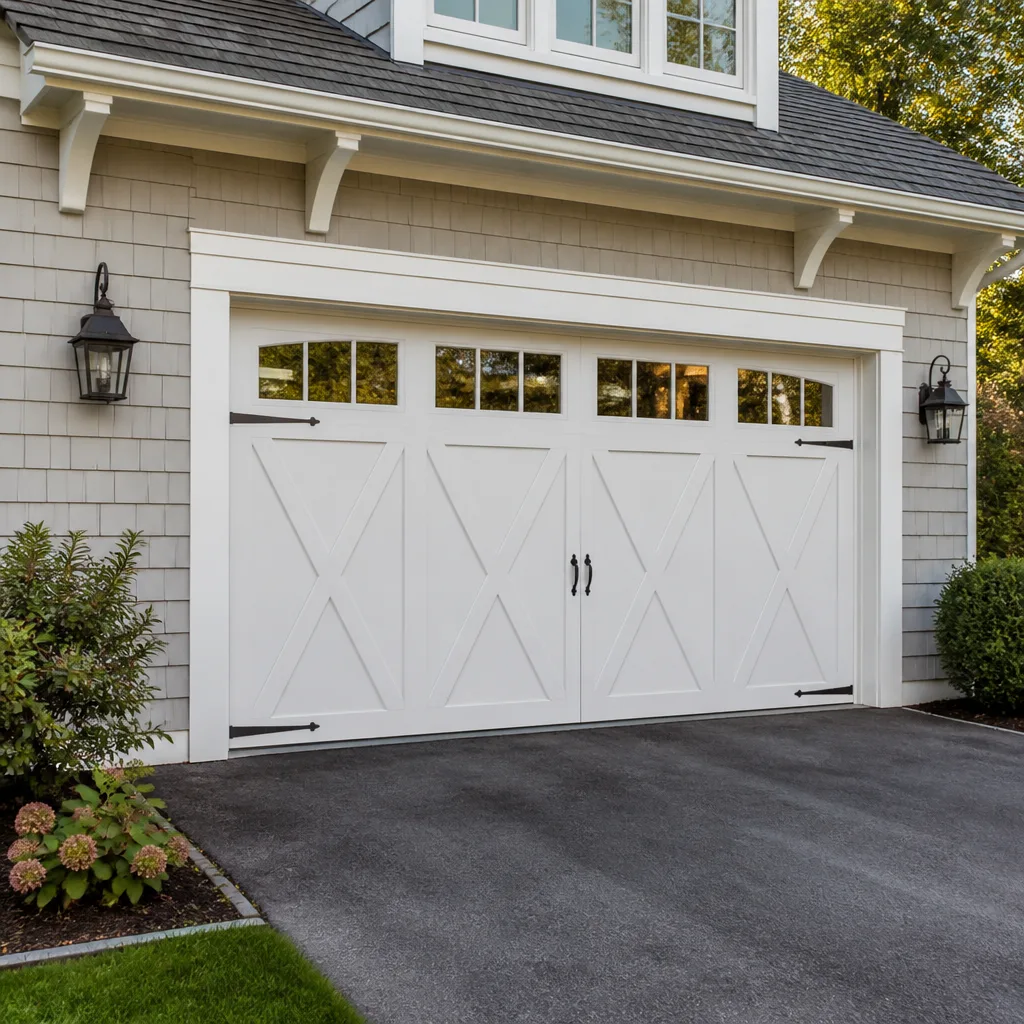 Carriage house
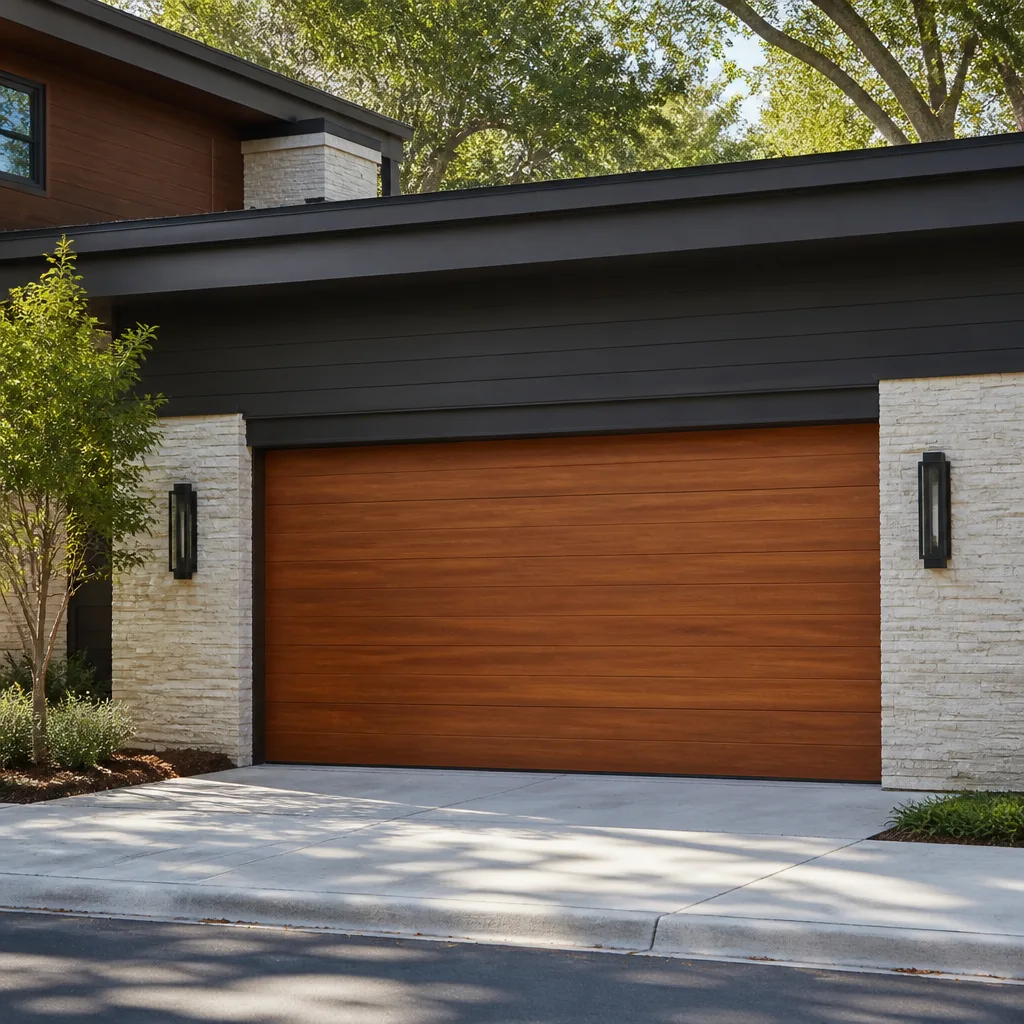 Modern flush
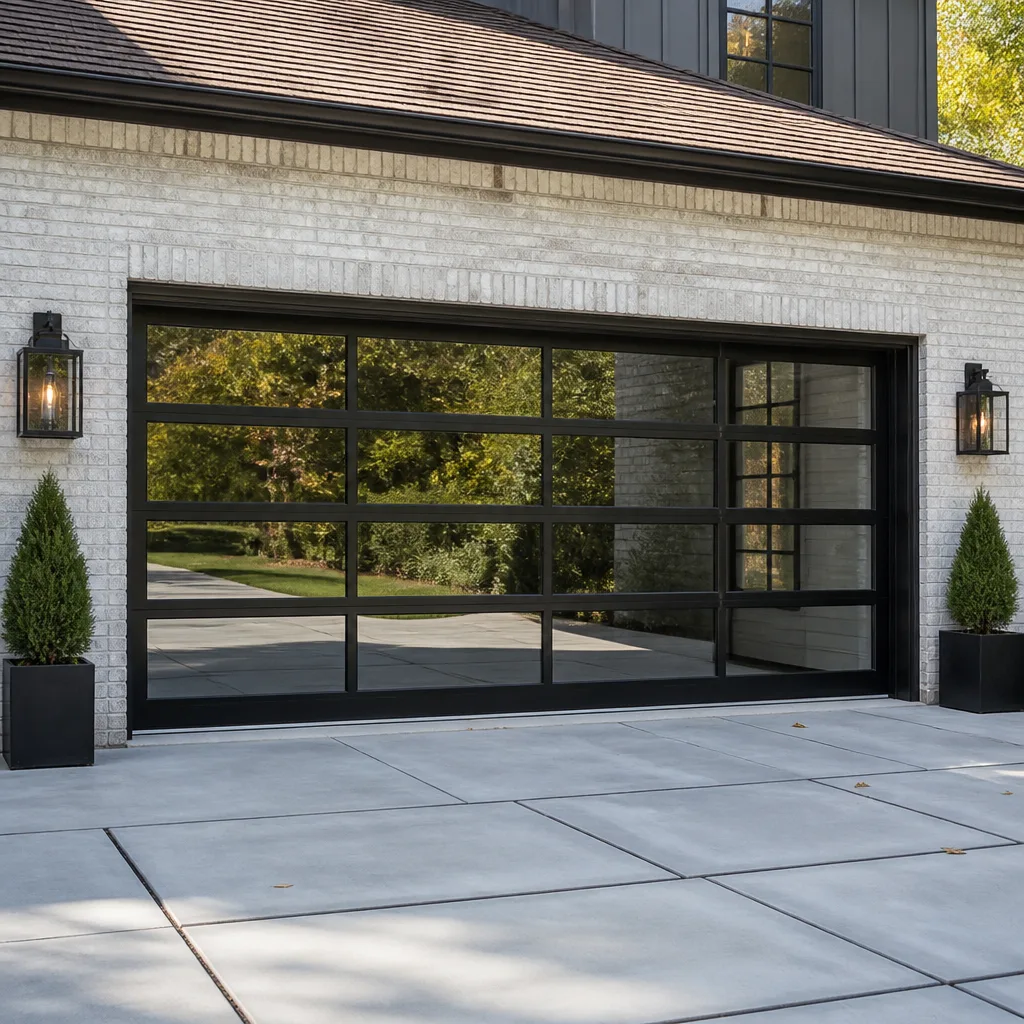 Full-view glass
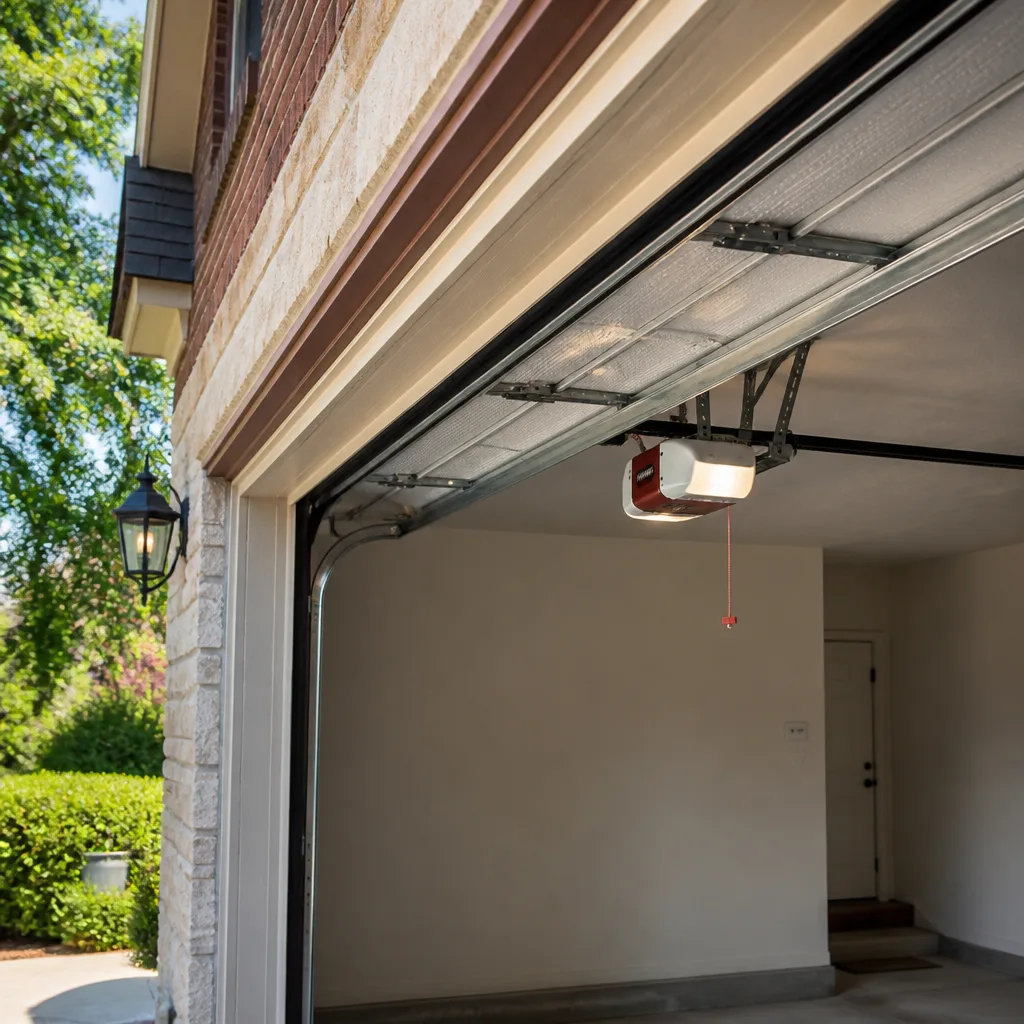 LiftMaster openers
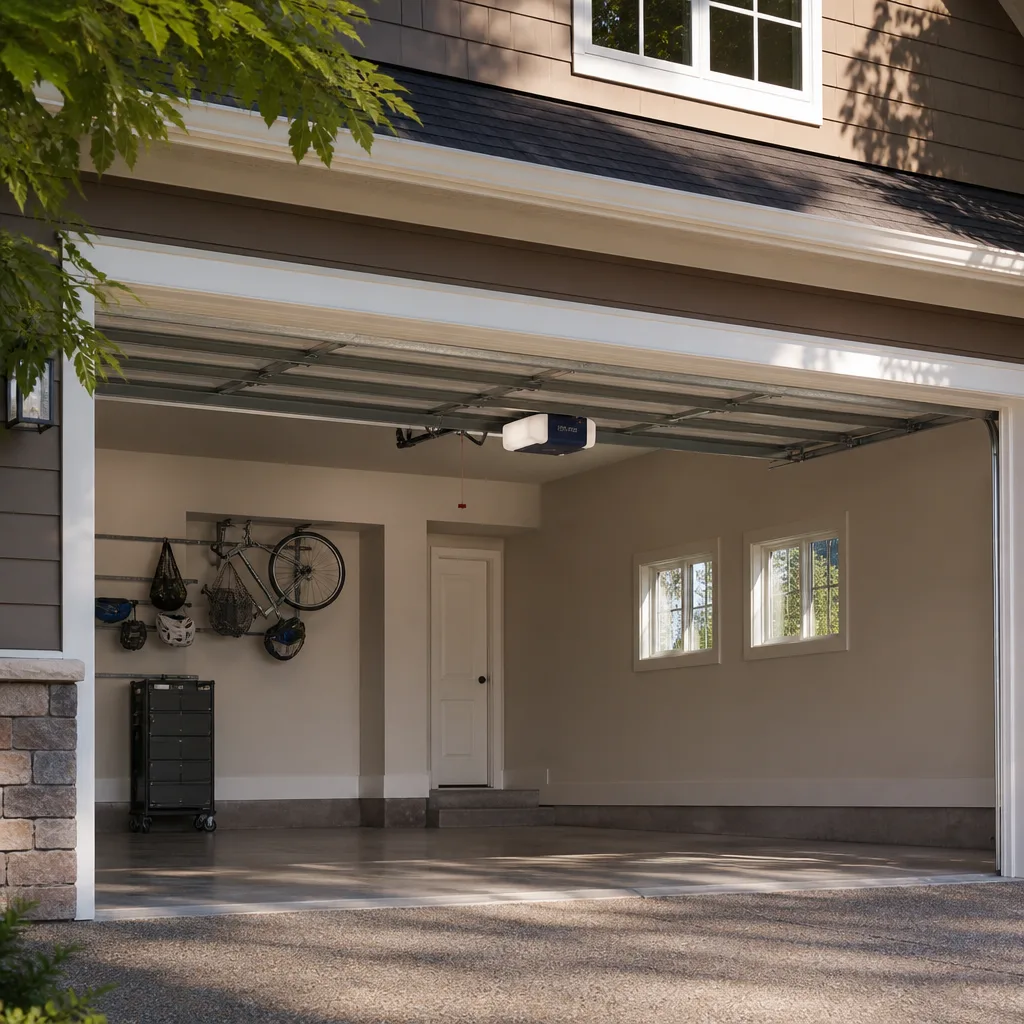 Chamberlain openers
Full 25-point door and opener safety check with every visit - springs, cables, rollers, tracks, and your LiftMaster or Chamberlain opener included
You get a price before we start. It does not change when the truck arrives.
Get your free estimateGarage Door Repair Troubleshooting in Valencia: Common Problems and How to Fix Them
Most garage door breakdowns look far more complicated than they are. A door that reverses two feet off the ground and a door that refuses to move at all can seem like separate mysteries, but in our experience both are usually the same problem in different stages. Homeowners in Valencia often skip the 90-second symptom check that separates a spring issue from an opener issue, and that’s exactly why so many repairs get misdiagnosed and mispriced. This guide teaches you to read the four mechanical categories your door is already broadcasting: spring, cable, track, or opener. Once you know which category you’re in, you’ll know whether to reach for a wrench or reach for the phone before a technician ever arrives in Valencia.
Quick Answer
Garage door troubleshooting starts with identifying which of four systems has failed: springs, cables, tracks, or the opener. A door that feels heavy when you pull the emergency release points to a broken spring, while a door that opens but won’t close usually points to the opener’s force settings or safety sensors. In Valencia, seasonal temperature swings make spring tension shift noticeably between July heat and January nights, and most fixes require either a simple adjustment or a same-day garage door repair call.
Styles & brands we work with
- Raised-panel steel
- Carriage house
- Modern flush
- Full-view glass
- LiftMaster openers
- Chamberlain openers
Table of Contents
- The Four-Category Triage: Spring, Cable, Track, or Opener
- What’s Safe to Check Yourself (and What Isn’t)
- Spring Problems: The One Diagnosis You Make From a Distance
- Cable Problems: When the Door Hangs Crooked
- Track Problems: Binding, Grinding, and the Valencia Temperature Factor
- Opener Problems: The 60-Second Test That Rules Out Motor Failure
- Common Mistakes to Avoid
- When to Call a Professional
- Frequently Asked Questions
The Four-Category Triage: Spring, Cable, Track, or Opener
Every garage door failure we’ve diagnosed in Valencia falls into one of four mechanical categories. The trick is knowing which one you’re dealing with before you start removing brackets or adjusting anything. Each category has one defining symptom that separates it from the other three.
- Spring failure: The door feels unusually heavy when you pull the emergency release, or it won’t lift at all while the opener motor runs. A loud bang from the garage is the classic tell. Springs counterbalance the door’s weight, so a broken spring leaves you lifting 150 to 250 pounds by hand.
- Cable failure: The door hangs unevenly, one side sits higher than the other, or you can see a loose cable dangling near the bottom roller. Cables and springs work together, but cable damage often follows spring failure and leaves the door visibly crooked mid-travel.
- Track failure: The door binds, shudders, or makes a grinding noise while moving. You might see gaps between rollers and track, bends in the track itself, or scrapes along the side rails. Track issues develop slowly, so the door usually still moves, just badly.
- Opener failure: The motor runs but the door doesn’t move, or the door reverses before touching the floor. Opener problems are electrical and mechanical at once: logic board, force settings, safety sensors, or a stripped drive gear. The key difference is whether the door moves smoothly by hand when the opener is released.
Run this triage before any tool comes out. A Valencia homeowner who skips step one often pays for an opener diagnosis when the spring was the real culprit all along. If you’re not sure which category you’re in, a technician who works on garage door repair every day can usually identify it from a phone call and a few pointed questions.
Why the Four Categories Matter
Parts are sold and priced by category. Springs are quoted by the pair, cables by the set, tracks by the section, and openers by the unit or the board. If you call a company for “a broken garage door” without knowing the category, you might get a technician who arrives with a truck full of generic parts and guesses his way through the diagnosis. That’s the difference between a specialist and a generalist: the specialist asks the symptom questions first and brings the right brand-specific part for your LiftMaster, Genie, Clopay, or Wayne Dalton system on the first trip.
What’s Safe to Check Yourself (and What Isn’t)
Before we go any further, let’s draw the line between investigation and intervention. Some checks a homeowner can do safely. Some require a technician. Mixing these up is how minor garage door problems turn into injuries.
Safe to Check Yourself
- Looking at the spring from inside the garage to see if there’s a visible gap in the coil.
- Pulling the emergency release cord and testing whether the door opens and closes by hand.
- Inspecting cables for fraying without touching them.
- Checking the safety sensors for alignment and blocked lenses.
- Running the opener’s force-limit test described in the opener section below.
- Listening for the specific sound the opener makes when it runs without moving the door.
Stop and Call a Technician
- Anything involving winding or unwinding a torsion spring. These springs hold enough tension to cause serious injury or worse. Never insert a winding bar into a torsion spring yourself.
- Replacing a cable that runs through a spring assembly. Cables under tension are just as dangerous as springs.
- Working on a door that has come off its track. The door can fall.
- Adjusting any bracket that holds a spring or cable. These are load-bearing.
- Any repair that requires you to be on a ladder directly under the door.
The rule we use with our own families: if it’s visual, it’s fine. If it requires a tool on a spring, cable, or track bracket, it’s a professional job. We answer 24/7 at (833) 754-9103 when a Valencia homeowner is standing in the garage looking at a problem and deciding which category it falls into.
Spring Problems: The One Diagnosis You Make From a Distance
A broken torsion spring is the most common repair we do in Valencia, and it has the clearest tell of any garage door failure. When a torsion spring breaks, there’s no half-failure state. The spring is either intact or it snaps, and when it snaps it sounds like a gunshot or a car backfiring from inside the garage. Many homeowners hear it from inside the house.
The visual check: Stand inside the garage with the door closed. Look up at the spring mounted on the wall above the door opening. This is a torsion spring: a coil of round steel, usually one on each side of a center bracket. If the spring is broken, you’ll see a gap in the coil, typically two to four inches wide, where the steel has separated. That gap is the reason the opener can’t lift the door: the spring was doing the heavy lifting, and now it isn’t.
You do this check from the floor, looking up. You never climb a ladder to touch the spring. A broken spring is safer to inspect from six feet away, and a technician never expects you to do more than that.
What a Broken Spring Costs in Valencia
| Spring Type | Estimated Cost (One Spring) | Estimated Cost (Pair, Recommended) |
|---|---|---|
| Torsion spring, standard size | $180 – $280 | $320 – $480 |
| Extension spring, standard size | $140 – $240 | $240 – $400 |
These are typical Valencia market estimates for common residential doors. Spring prices vary by wire diameter, door weight, and brand, and the written estimate sets the final number before any work begins. We always recommend replacing springs in pairs: when one snaps, the other has the same cycle count and is near its end.
One brand note: a Wayne Dalton door with a TorqueMaster spring tube system uses springs that sit inside the tube. You won’t see a visible coil. If your Wayne Dalton door suddenly feels heavy but there’s no visible gap, call us. That’s a spring problem wearing a different costume, and diagnosing it wrong wastes a service trip in Valencia.
Cable Problems: When the Door Hangs Crooked
Cables are the unsung workhorses of a garage door system. They run from the bottom brackets on each side of the door up to the spring assembly, and they translate spring tension into lift. When a cable snaps, the door almost always hangs crooked. One side rises while the other stays down, and the door jams in the track.
What to Look For
- A door that visibly tilts when the opener runs, even an inch, is a cable red flag.
- Frayed cable strands near the bottom roller bracket. You’ll see wisps of steel wire spreading out from the cable like a paintbrush.
- A cable that has jumped off the drum and is hanging loose beside the spring assembly.
- Scrapes along one side of the door frame where the jamming side rubs while moving.
Cable damage rarely happens in isolation. In most cases, a cable snap is a secondary failure: the spring broke first, the door fell or sagged, and the shock took out the cable. That’s why a proper diagnosis always checks both systems. A quote for a cable alone, without inspecting the spring, is a partial diagnosis.
In Valencia’s newer communities, many homes have heavy double doors on modestly sized openers. The extra weight means cables cycle under more strain than they did on older single-car doors, and the failure pattern shows in the bottom bracket first. If you see a cable slapping against the track when the door moves, stop running the opener. Continuing to cycle the door with a broken cable can pull the section out of square and bend the track.
Track Problems: Binding, Grinding, and the Valencia Temperature Factor
Track problems are the slowest to develop and the easiest to misread. A door with a track issue doesn’t fail all at once. It gets louder, then it gets jerky, then it starts catching at the same spot every cycle. By the time a homeowner in Valencia calls us, many of them have been living with a noisy door for months, assuming the noise is just “how the door is.”
Telltale Track Symptoms
- A grinding or scraping sound that moves with the door, not the motor.
- Visible gaps between a roller and the track rail, especially at the corners.
- The door hesitates or shudders at the same point in every cycle.
- Loose bolts at the track brackets where the vertical and horizontal sections meet.
Valencia’s Temperature Swing and Track Alignment
Valencia’s summer heat and winter nights do something subtle to garage door tracks: they expand and contract the metal rails enough to shift alignment by a fraction of an inch. A door that ran perfectly in July can bind in January because the track, the door frame, and even the foundation have moved at different rates. This is not a freeze-thaw issue. It’s a dry, desert-climate expansion issue, and it’s enough to push a roller against the rail where it wasn’t touching before.
We see this most often on doors installed flush against sun-facing walls. The afternoon heat on a west-facing garage door in Valencia can push a marginal track alignment into an active bind. The fix is usually re-shimming the track brackets, not replacing the track, but the difference is impossible to determine without a level and a few minutes of inspection.
If your door has been noisier in winter than it was in summer, that’s not your imagination. It’s Valencia’s dry heat doing what dry heat does to steel.
Opener Problems: The 60-Second Test That Rules Out Motor Failure
Opener problems are the most commonly misdiagnosed category in the garage door world. A homeowner hears the motor running but the door doesn’t move, and the immediate conclusion is “the opener is dead.” Often the opener is fine. Let’s fix that with a test.
The 60-Second Force-Limit Test
- Pull the emergency release cord on the opener carriage. The door should now move freely by hand.
- Lift the door halfway. If it stays, the springs are doing their job. If it drops or feels heavy, the opener was never the problem: the spring is.
- If the door is balanced and smooth by hand, reconnect the carriage by running the opener until it re-engages.
- Run the door with the opener. If it now moves, the carriage had disengaged or the door was momentarily stuck.
- If the motor runs but the carriage doesn’t move, you have an opener mechanical issue: stripped drive gear, bad sprocket, or a failed coupling.
That test takes a minute and rules out half of all misdiagnoses. If the door moves smoothly by hand, the problem is in the opener. If the door is heavy or unbalanced by hand, the opener is innocent. That distinction changes the repair from an opener replacement to a spring replacement, and it changes the ticket accordingly.
Opener-Specific Faults Worth Knowing
On a garage door opener repair, we treat the opener as its own discipline, not an afterthought. Openers from LiftMaster and Genie fail differently than openers from Craftsman or Chamberlain, even when the exterior symptoms look the same. A logic board failure on a Raynor opener, for example, often presents as a door that reverses randomly at the bottom of travel, while a stripped gear on any brand presents as a motor that spins but doesn’t move the belt or chain.
The force-limit setting itself is the other common opener issue. If a door reverses right before it touches the ground, the down-force limit may be set too low, or the safety sensors may be misaligned. Clean the sensor lenses and make sure the small indicator lights are both lit before you call for service. That resolves the issue more often than any component replacement would.
We work on the brand you already have. Amarr and Raynor doors pair with specific opener types, and the labor difference between a Raynor belt-drive and a Craftsman chain-drive matters to the repair. We don’t push a brand, and we don’t sell an opener unless the one you have is genuinely beyond reasonable repair.
Common Mistakes to Avoid
- Skipping the visual spring check. A two-second look up at the spring would catch half the repairs people call in for. If there’s a gap in the coil, you have your answer before you even pick up the phone.
- Running the opener on a broken door. Every cycle run with a broken spring or cable puts more stress on the opener, the tracks, and the door sections. Stop when you hear the bang.
- Lubricating a noisy door without checking alignment. Grease hides friction; it doesn’t fix a bind. A noisy Valencia door needs the track checked, not just a shot of spray lubricant.
- Replacing one spring only. Spring replacement in singles is a short-term fix. The second spring is the same age and the same number of cycles. Replace the pair or expect to pay for a second visit.
- Testing the opener while the door is off track. The door can bind and strip the opener gear in a single run. If the door is visibly crooked or off its rollers, keep the opener off until a tech inspects it.
- Assuming the opener is the problem because the door won’t move. Run the 60-second test from the opener section. In our experience, more than half of “dead opener” calls in Valencia are actually spring failures.
- Buying parts online before diagnosing. We see homeowners order a sensor kit, a remote, and a wall button, then find out the actual problem was a broken wire in the opener head. Diagnosis first, parts second.
When to Call a Professional
Call a professional the moment you see a gap in the spring, a frayed cable, a door off its track, or a door that hangs crooked while moving. These are the failures that cause further damage or injury when the door continues to run. The same goes for any repair that requires touching a spring, a cable under tension, or a track bracket. You are not expected to do this work yourself, and no reputable company expects you to try.
If you’ve run the four-category triage and you’re still not sure what you’re looking at, Garage Door Repair Valencia offers free estimates in Valencia. We answer 24/7 at (833) 754-9103, and our technicians dispatch from 7am to 7pm, Sunday through Friday. From a jammed opener to a full new door, garage doors are all we do.
We’ve spent years focused on one trade and one trade only, working on most residential systems from one company. Amarr, Wayne Dalton, Craftsman, Raynor, LiftMaster, Genie, Chamberlain, and Clopay: those are the doors and openers we see most often in Valencia garages, and the right part for your specific model is what we show up with.
Frequently Asked Questions
Garage door repair in Valencia typically costs between $140 and $480 depending on the repair type. A standard torsion spring replacement runs $180 to $280 per spring, while a full spring pair replacement is usually $320 to $480. Cable replacements and track adjustments sit in the $140 to $300 range. Every repair is quoted and agreed in writing before work starts, and the written estimate sets the final price. Call (833) 754-9103 for an exact quote. We answer 24/7.
Yes. We offer same-day service in Valencia with fast dispatch from 7am to 7pm, Sunday through Friday. We answer 24/7, so even if your door fails early in the morning or late at night, a call is answered and the next dispatch opening is booked for you. A call outside dispatch hours books into the next opening, Sunday through Friday, 7am to 7pm. Call (833) 754-9103 to get on the schedule.
A door that reverses before it touches the ground is usually reading a resistance signal from either the force-limit setting or the safety sensors. Blocked or misaligned sensors are the most common cause, so clean the lenses and confirm both indicator lights are lit. If the sensors are clean and aligned, the down-force limit may be set too low, or the door may be binding in its track as it approaches the floor. A technician can adjust the force limit and verify track alignment during a standard service call.
Look up at the spring mounted on the wall above your closed garage door. If the torsion spring has a visible gap in its coil, typically two to four inches of separation, it’s broken. You’ll usually have heard a loud bang when it snapped. The opener will not lift the door because the spring is what carries the door’s weight. Do not touch or attempt to repair the spring from a ladder. This is a technician repair, and it’s one of the most common jobs we do in Valencia.
Pull the emergency release cord and try lifting the door by hand. If the door is heavy or won’t move, the spring has failed and the opener was never the problem. If the door moves smoothly by hand but won’t move on the opener, the carriage has likely disengaged or the opener has a stripped gear. That one-minute test separates spring failure from opener failure and saves a misdiagnosis. Call (833) 754-9103 and describe what you found; it helps us bring the right part on the first trip.
We work on the brand you already have. Our technicians are trained on eight major residential brands: LiftMaster, Chamberlain, Genie, Clopay, Amarr, Wayne Dalton, Craftsman, and Raynor. That covers most residential systems in service in Valencia today. We don’t steer you toward a replacement that benefits our margins; we diagnose the system in front of you and recommend the repair that matches it. From a jammed opener to a full new door, the recommendation follows the problem.
The Bottom Line
Most garage door problems are diagnosable in minutes once you know which of four categories you’re in: spring, cable, track, or opener. The spring check is visual and safe from the floor. The cable check is visual and safe from the ground. The track check is a matter of listening and looking for bind spots. The opener check is a 60-second release test that separates motor failure from everything else. In Valencia, seasonal temperature swings make the track and spring categories more active than most homeowners expect, especially on doors exposed to afternoon heat. When the diagnosis is beyond you, call (833) 754-9103. We answer 24/7, dispatch from 7am to 7pm Sunday through Friday, and quote every repair before work begins. Garage doors are all we do.
Written by the team at Garage Door Repair Valencia, serving Valencia since 2011.
See the difference
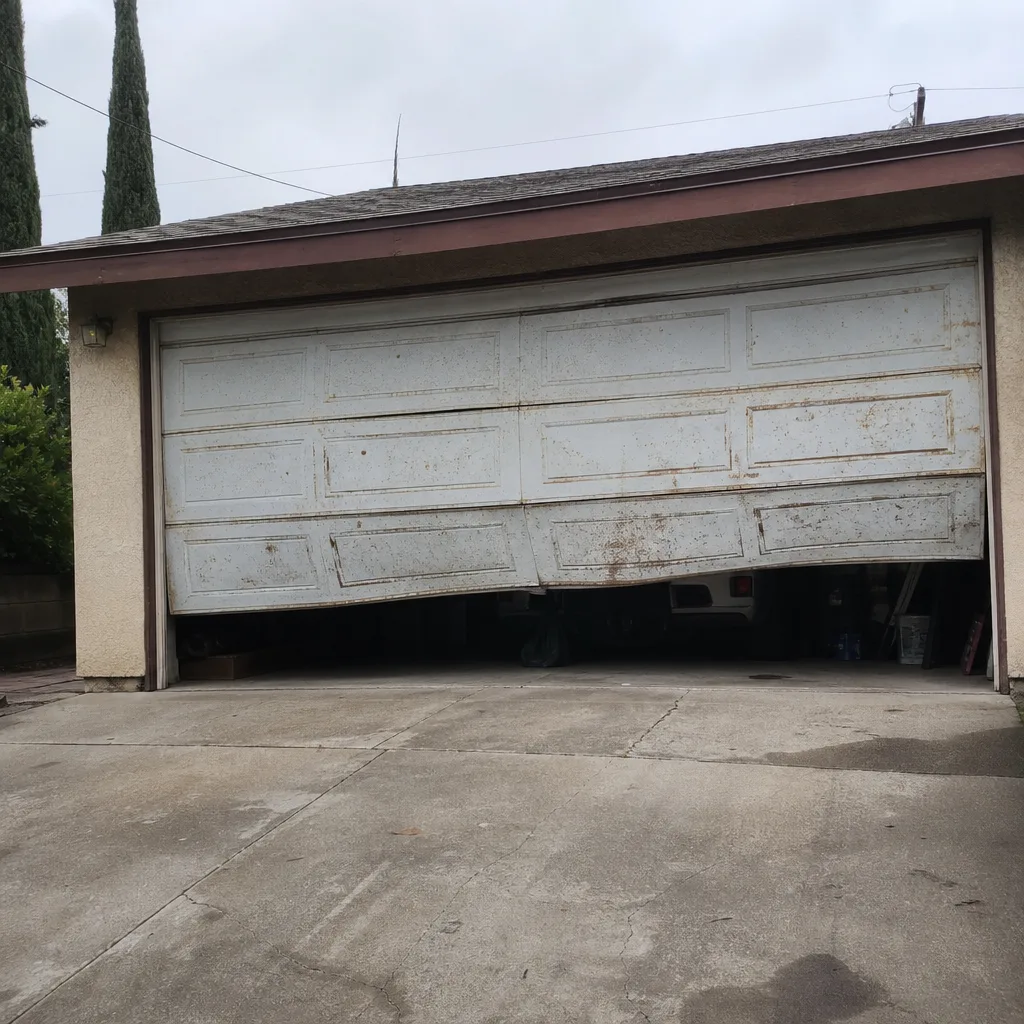 Before
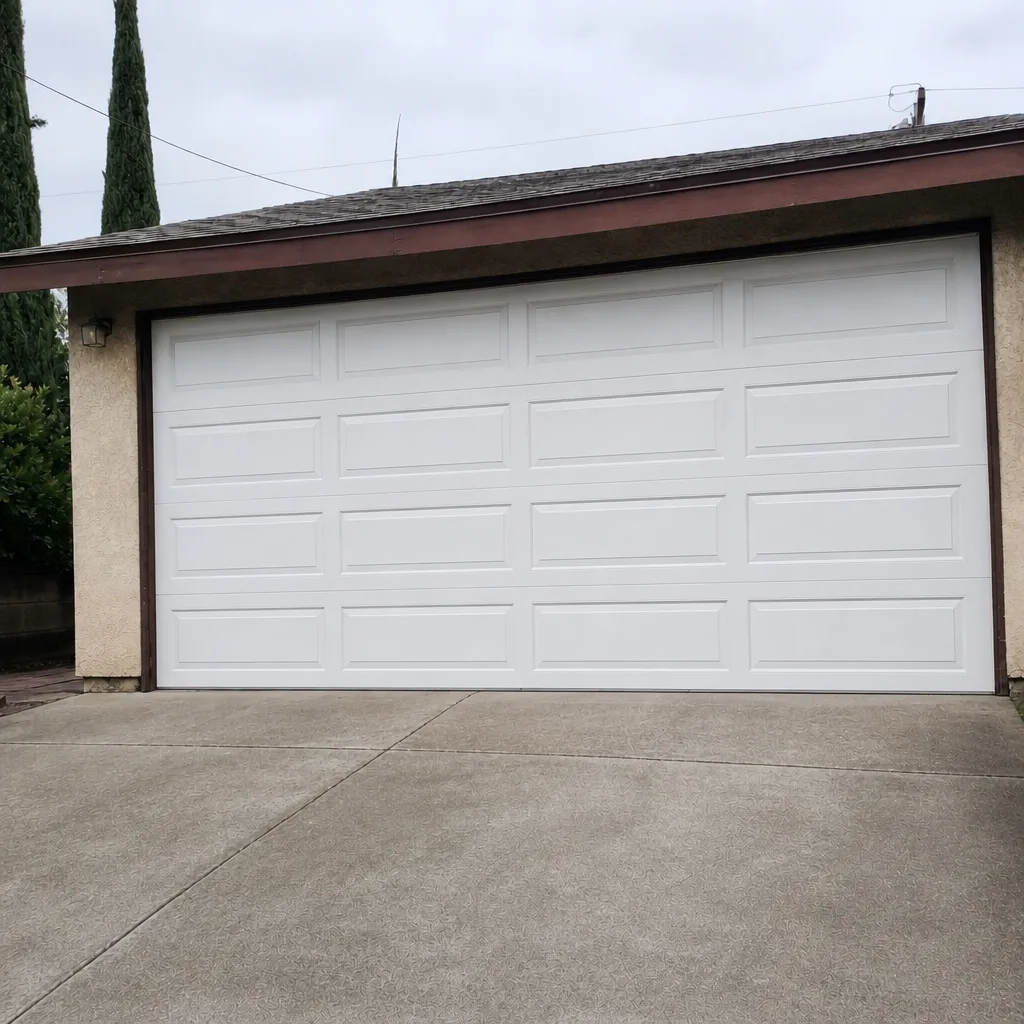 After
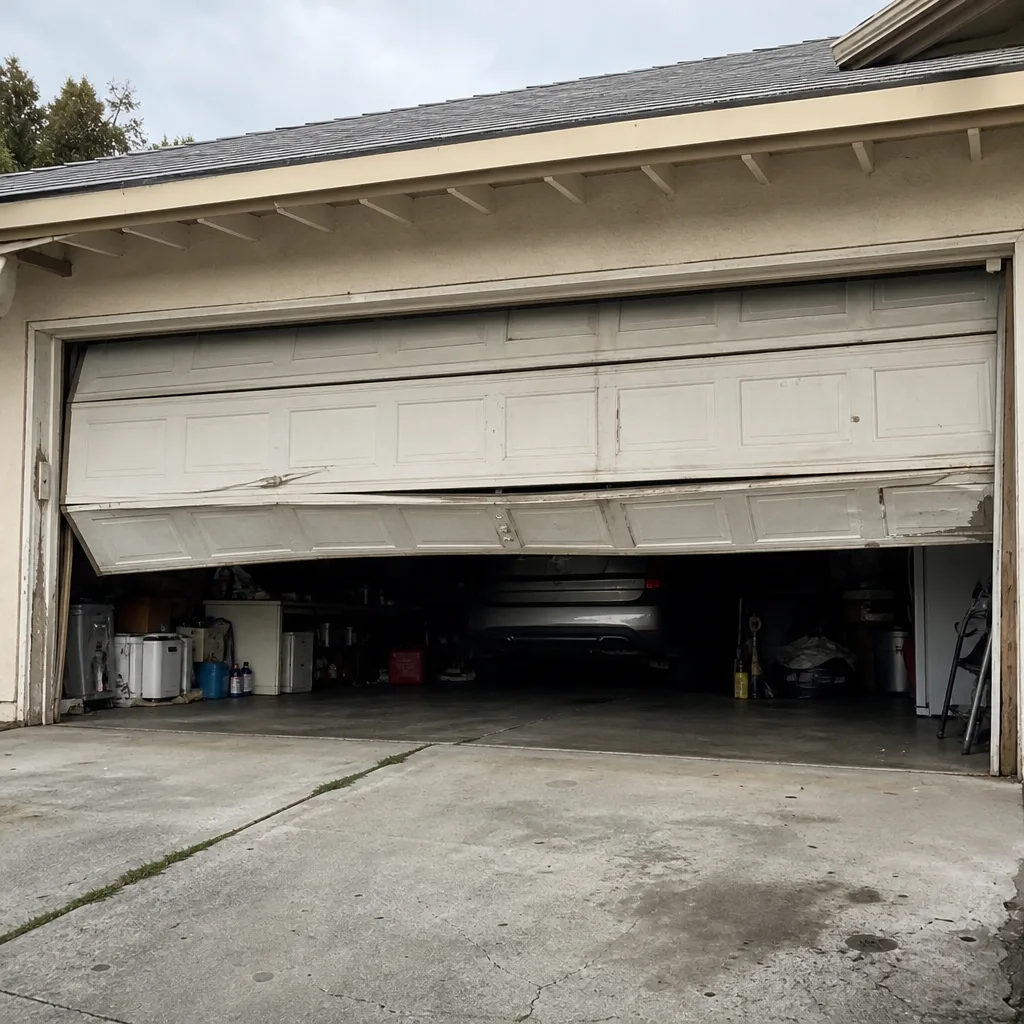 Before
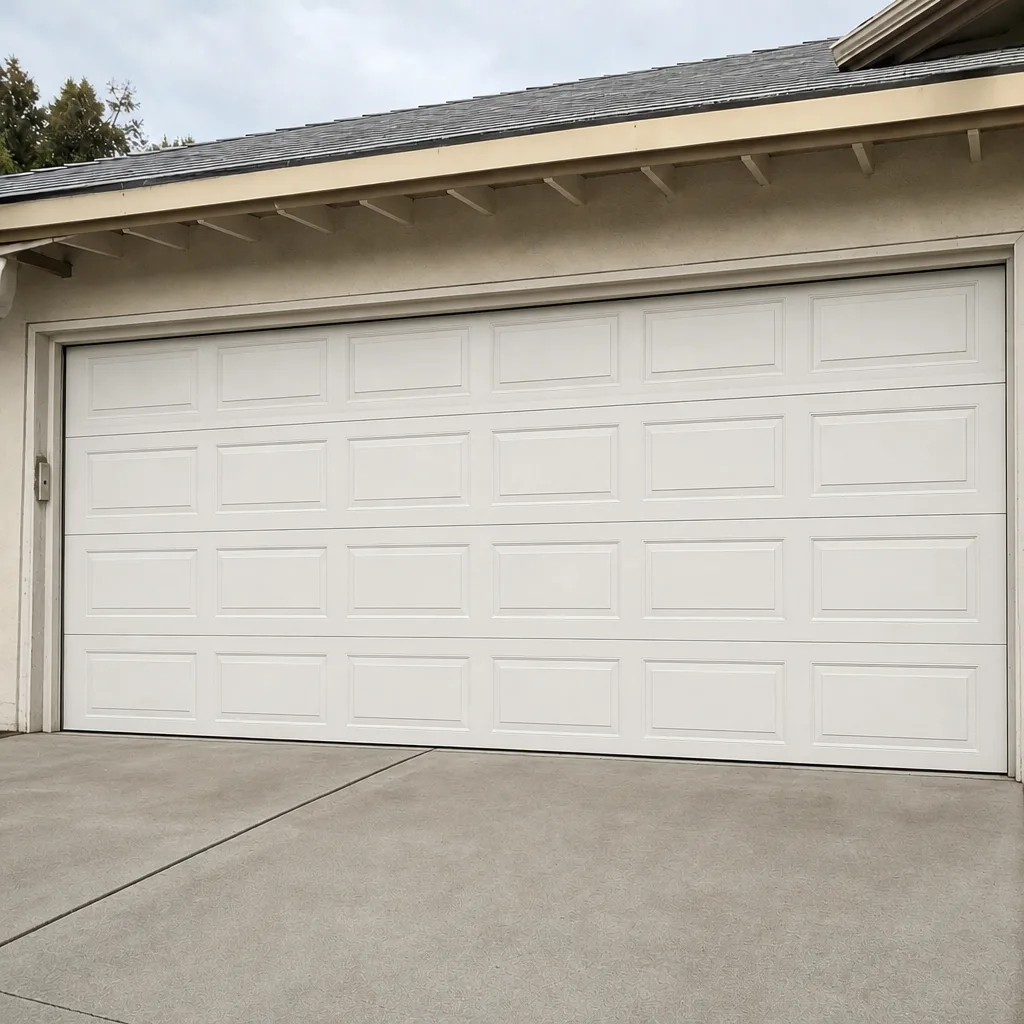 After
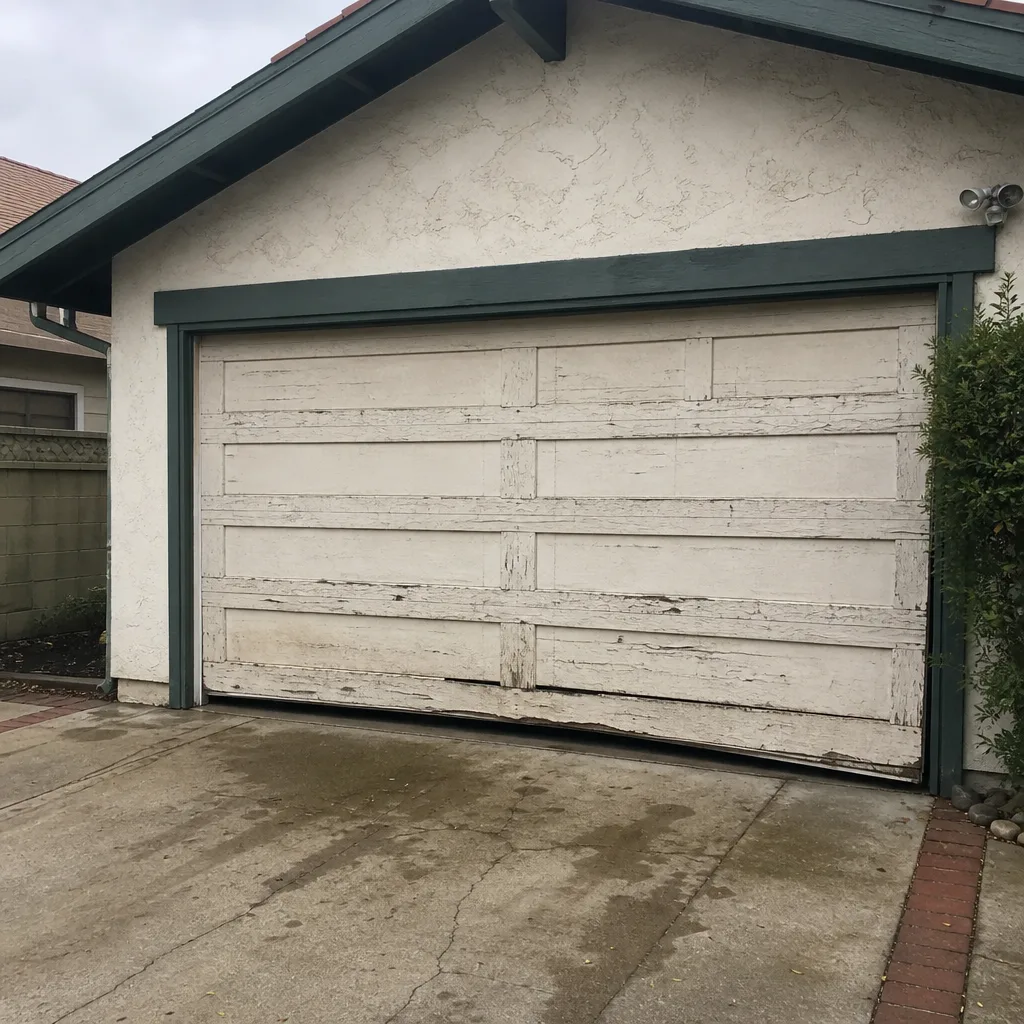 Before
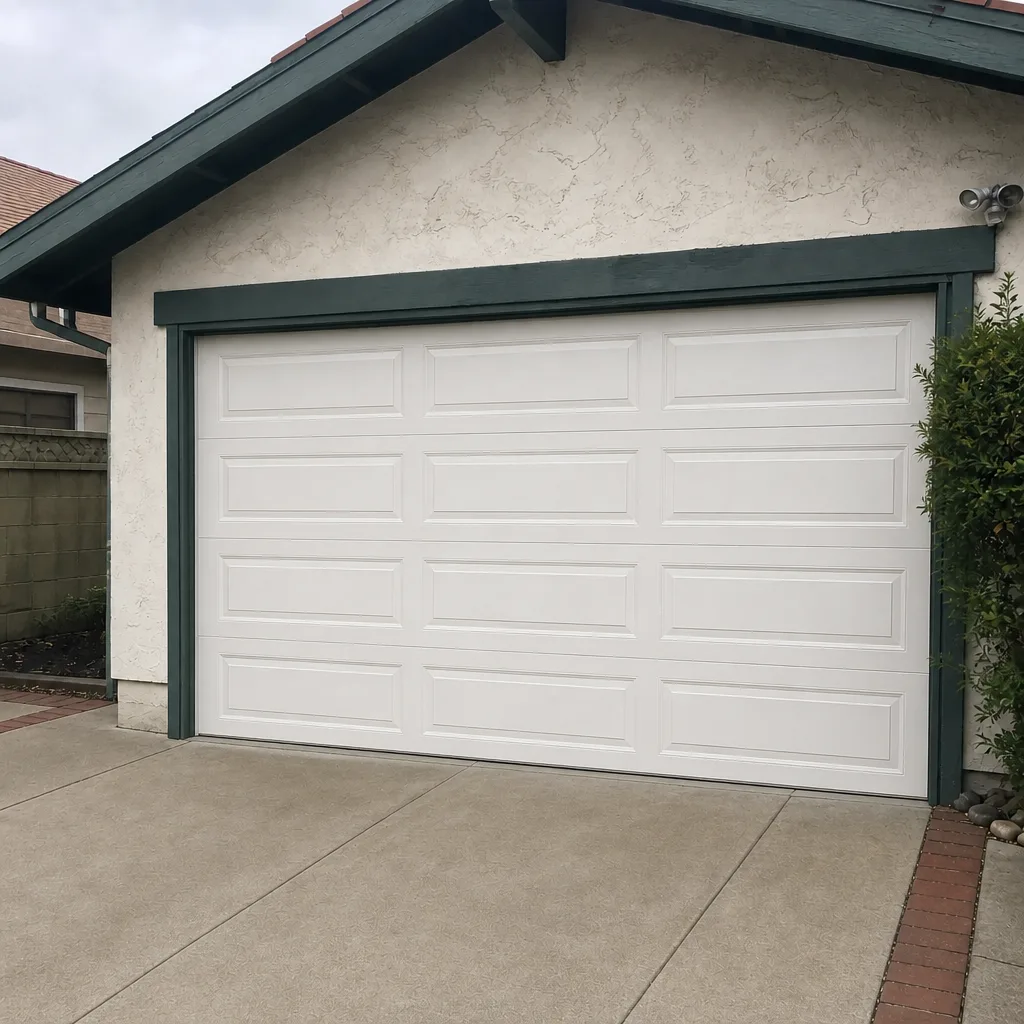 After