
Last updated November 4, 2026
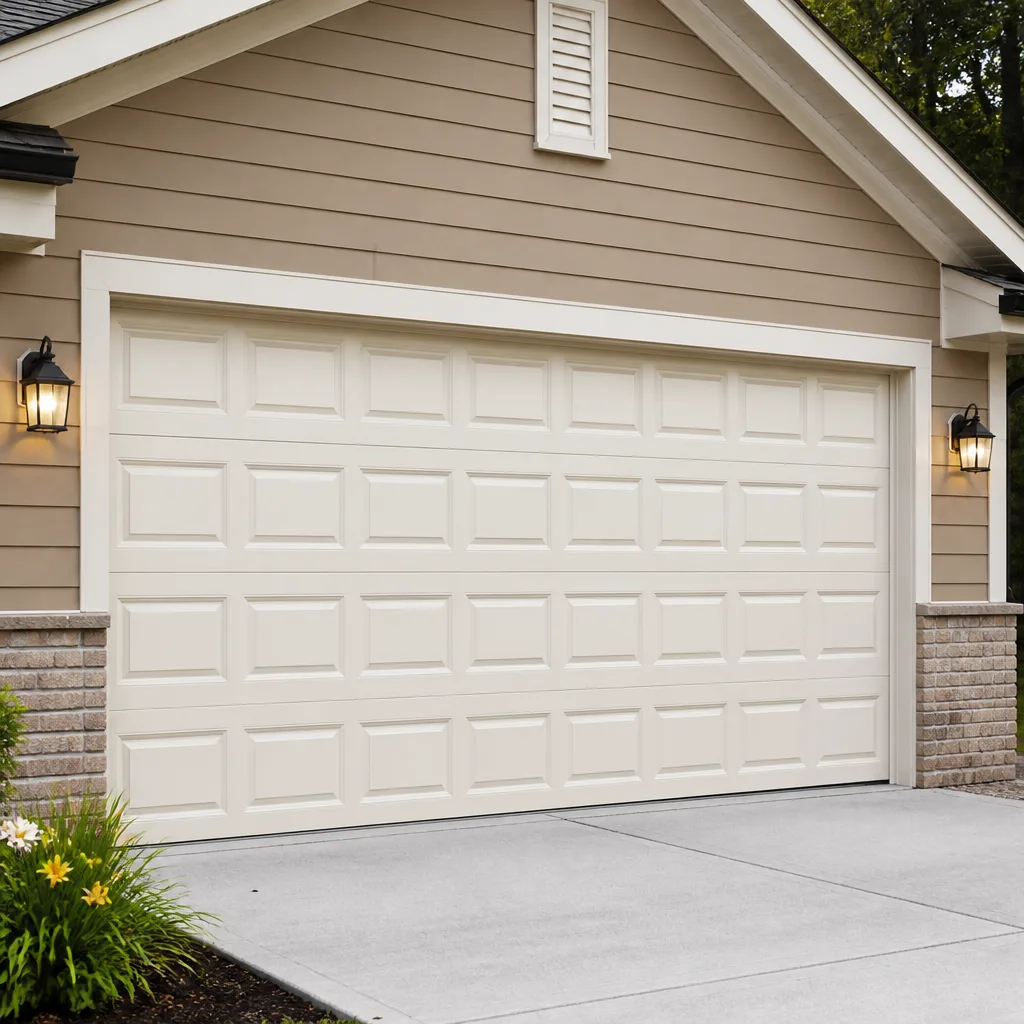 Raised-panel steel
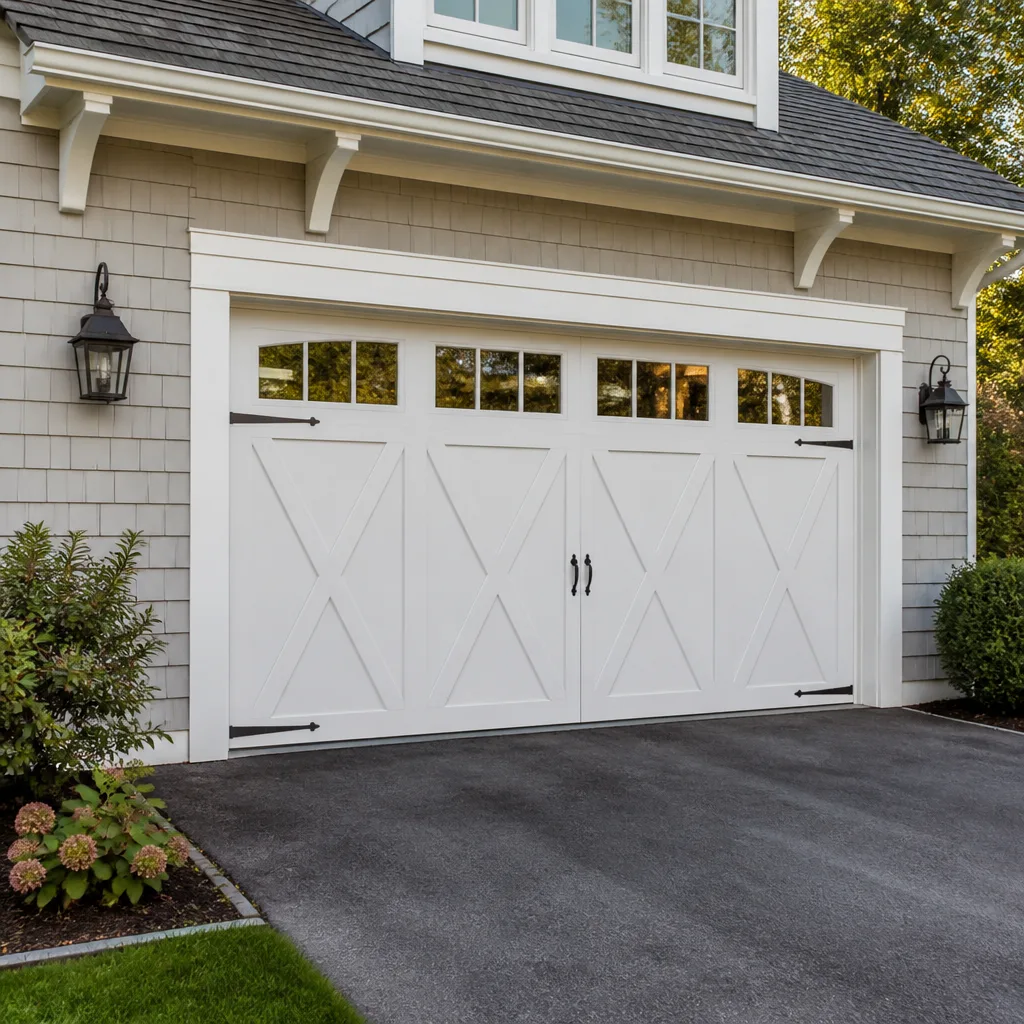 Carriage house
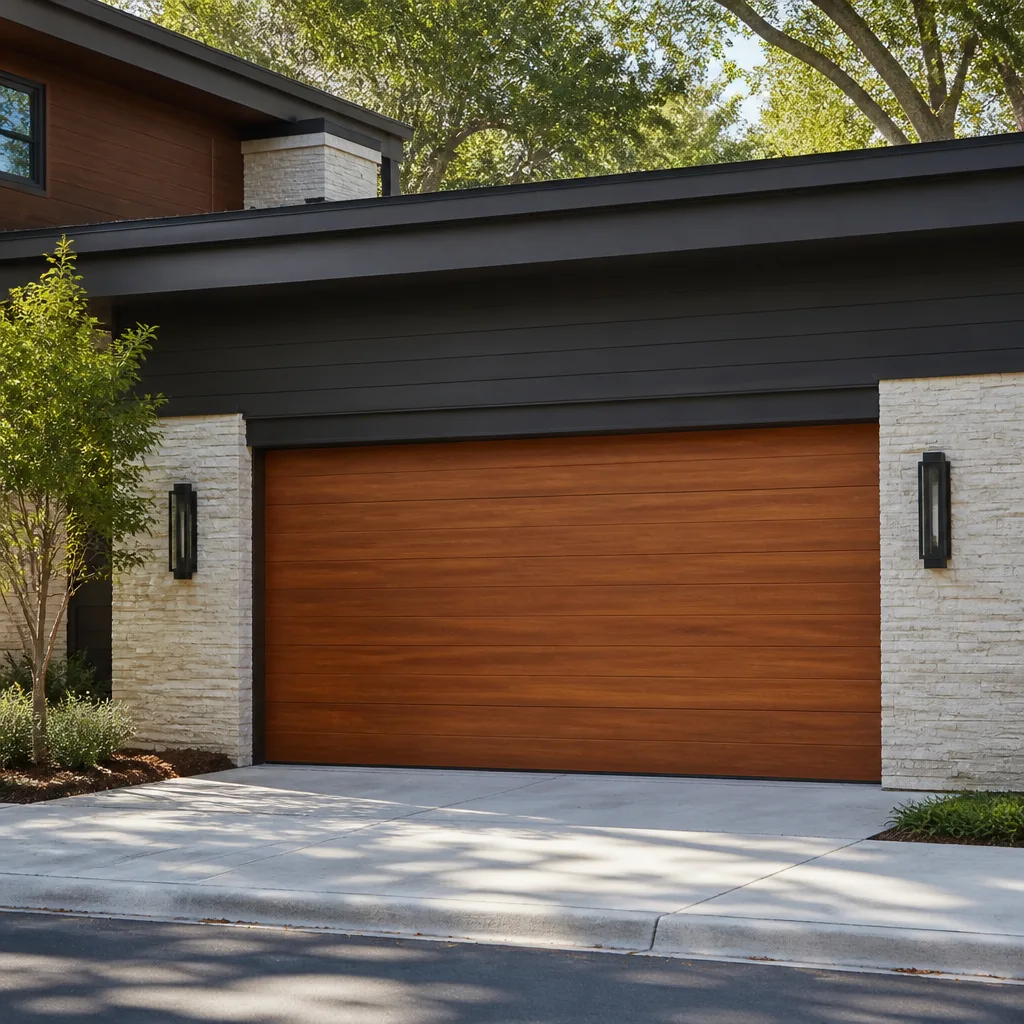 Modern flush
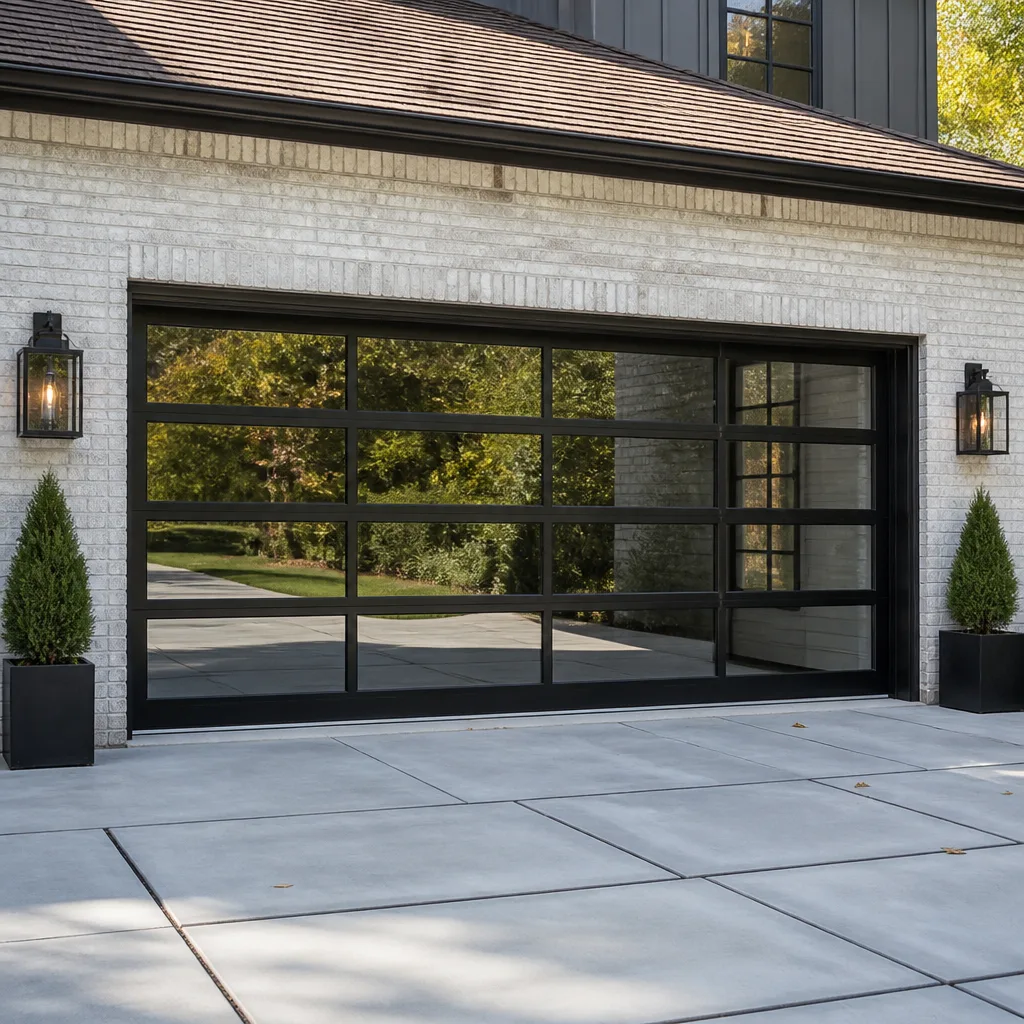 Full-view glass
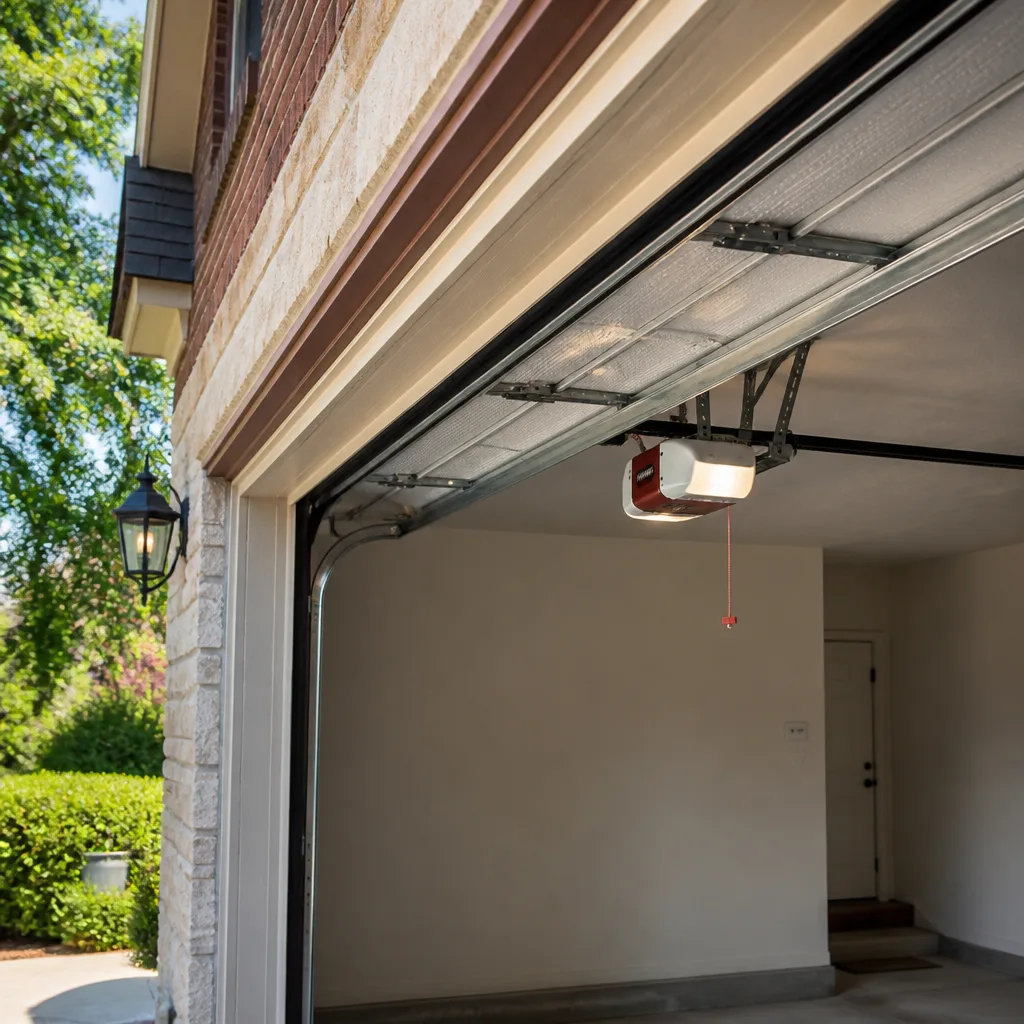 LiftMaster openers
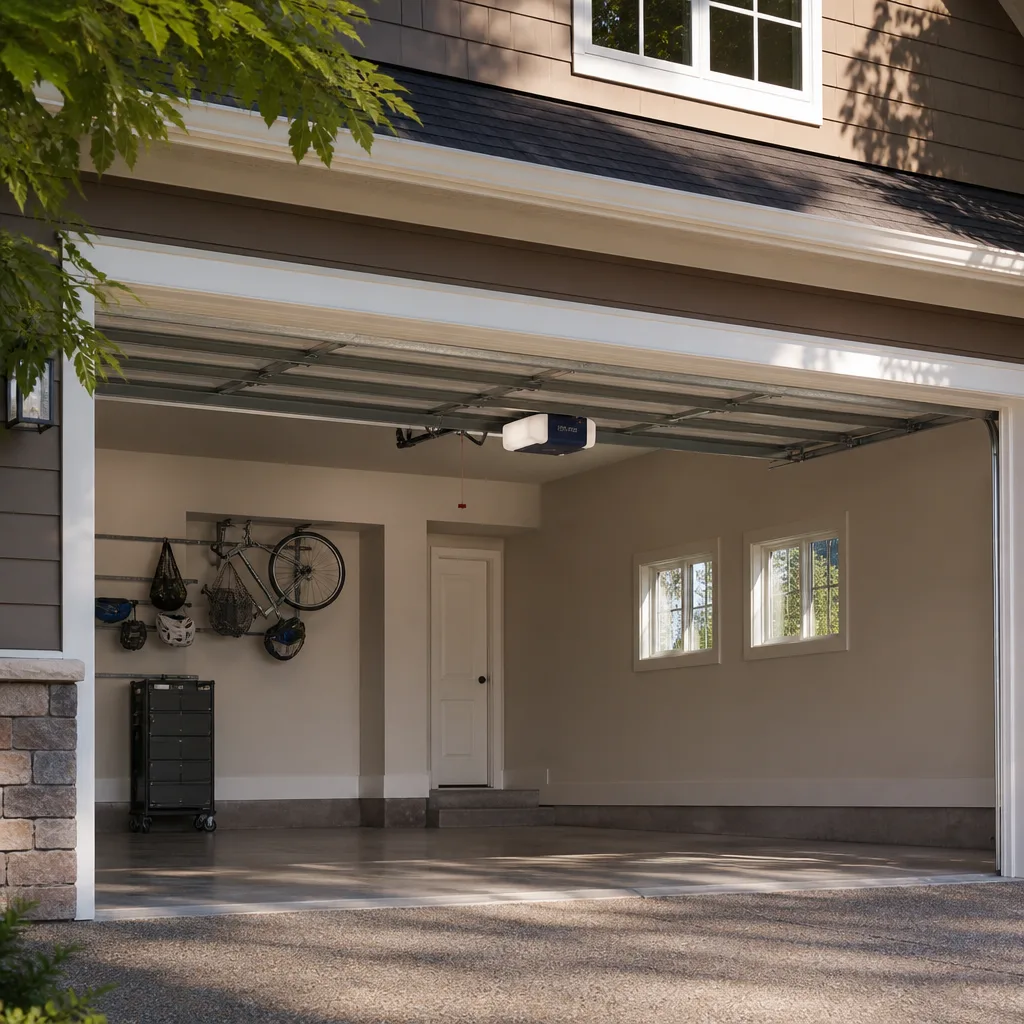 Chamberlain openers
Full 25-point door and opener safety check with every visit - springs, cables, rollers, tracks, and your LiftMaster or Chamberlain opener included
You get a price before we start. It does not change when the truck arrives.
Get your free estimateSeasonal Garage Door Care for Valencia: Year-Round Homeowner’s Guide
Most seasonal maintenance guides assume four seasons. Valencia doesn’t work that way. What we see on service calls follows two mechanical stress cycles: a heat-and-dust phase from May through October, and a moisture-and-wind phase from November through April. If you’re following a generic April checklist, you’re already behind. By the time spring maintenance articles tell you to check your door, Valencia temperatures are climbing and the components most vulnerable to heat have already been stressed for weeks. This guide breaks down what actually fails here, when it fails, and the exact steps to prevent those failures before they become a service call.
Styles & brands we work with
- Raised-panel steel
- Carriage house
- Modern flush
- Full-view glass
- LiftMaster openers
- Chamberlain openers
Quick Answer
Valencia homeowners should organize garage door care around two local cycles: a heat-and-dust prep in April before temperatures exceed 90°F, and a moisture-and-wind prep in October before Santa Ana winds and winter rain arrive. The highest-value tasks are lubricating steel rollers and hinges, checking torsion spring balance, inspecting cables after wind events, and replacing cracked bottom seals before rain season. Most of this takes under an hour and prevents the majority of failure patterns we see in this climate.
Table of Contents
- The Two Cycles That Actually Matter in Valencia
- April: Pre-Summer Prep Checklist
- Peak Summer Heat: Opener Duty Cycles and Rest Periods
- Fall Transition: Santa Ana Winds and Cable Tension
- Winter Rain and Bottom Seal Rot
- Why Mild Winter Is the Best Time for Spring Replacement
- Common Mistakes to Avoid
- When to Call a Professional
- Frequently Asked Questions
- The Bottom Line
The Two Cycles That Actually Matter in Valencia
Valencia’s climate operates on two distinct mechanical stress patterns, and your door feels both of them. The heat-and-dust phase runs May through October. Temperatures regularly climb past 90°F, and the dry air carries fine dust that works its way into roller bearings, hinge pins, and opener gears. Heat expands metal parts. Lubricant evaporates faster. The torsion spring loses a small amount of tension as it absorbs heat, which changes how the door balances.
The moisture-and-wind phase runs November through April. Santa Ana winds arrive in the fall, creating sudden pressure differentials against a closed door and putting lateral stress on cables and hinges. Winter rain follows, and water pools on flat driveway aprons that are common throughout Valencia. That standing water is where bottom seals rot and where rust begins on the lower panel edge. If you organize maintenance around these two cycles instead of four seasons, you’re addressing the actual failure points before they become problems.
We work on the brand you already have when those failures happen. That matters because different manufacturers use different spring configurations, track profiles, and opener interfaces. A LiftMaster opener does not pair with a Genie wall console. A garage door repair on a Wayne Dalton system often uses a torque tube rather than standard torsion springs. Knowing what you own changes the maintenance approach and the repair path.
April: Pre-Summer Prep Checklist
April is the window that matters most in Valencia. By now, days are warm but not punishing. The work you do in April protects the door through July, August, and September, when a failed spring or a burned-out opener motor becomes a genuine emergency. The goal is to reduce friction, verify balance, and catch small problems before heat amplifies them.
Here is the exact pre-summer sequence we recommend to homeowners in Valencia:
- Wipe and inspect the tracks. Use a dry cloth to clear dust and debris from the vertical and horizontal track sections. Look for any bends or widening that suggest a roller has been working loose.
- Lubricate moving parts. Apply a garage door-specific lubricant to steel rollers, hinge pins, and the torsion spring. Do not use WD-40. It displaces moisture but does not leave a lasting film. A white lithium spray or silicone-based garage door lube works better in Valencia’s dry heat.
- Test balance by disconnecting the opener. Pull the red release handle while the door is closed. Lift the door manually to waist height. If it stays put, the spring tension is right. If it drops, the spring is weakening and will likely fail during peak summer load.
- Check the safety reversal. Place a 2×4 flat on the ground under the door’s path and close it. The door should reverse within two seconds of contact. High heat affects sensor alignment and motor sensitivity, so verify this before summer.
- Inspect weatherstrip. Look at the bottom seal and the side weatherstrip. Cracks that are minor in April become dust entry points by August.
Most of the pre-summer checklist takes under an hour. The balance test is the one we tell homeowners not to skip, because a torsion spring that’s losing tension in April rarely survives a full Valencia summer. We answer 24/7 if you need help over the phone while working through the checklist. Fast dispatch from 7am to 7pm, Sunday through Friday.
Peak Summer Heat: Opener Duty Cycles and Rest Periods
The heat’s biggest target is the opener motor. Every open-close cycle generates heat inside the motor housing. When the ambient temperature in a Valencia garage climbs past 100°F, which happens regularly from July through September, the motor’s ability to dissipate that heat drops sharply. The thermal overload sensor will eventually trip and shut the opener down. That’s the opener protecting itself, but it’s also a service call no one wants in August.
The fix is deliberate duty cycle management. If you’re working in the garage all day, moving tools in and out, don’t run the door through six cycles in an hour. Give the motor a rest period between cycles, at least five minutes. The motor cools faster when the garage door is open and air is moving through the space. If you park in the garage and the car sits in a hot driveway first, open the door before pulling in rather than opening it, closing it, opening it again because you forgot something, and closing it once more. Each cycle adds heat to a motor that’s already operating near its thermal ceiling.
Opener-specific issues are common enough in Valencia that we treat garage door opener repair as a dedicated discipline. The electronics, drive systems, and smart-home integrations on a modern Genie or LiftMaster unit are not something a generalist should troubleshoot. We see failed capacitors, stripped drive gears, and misaligned sensor arrays more often in summer than any other season. The heat accelerates wear on solder joints and plastic gears, and the result is a door that hums but doesn’t move, or a door that reverses for no apparent reason.
One specific pattern in Valencia: the opener runs fine in the morning, fails in the afternoon, and works again after sundown. That is almost always thermal overload. The motor is cooling enough overnight and in the early hours, then tripping once the garage air temperature peaks. If you’re seeing that pattern, the opener needs attention before it fails permanently. Rest periods help, but a motor that’s tripping repeatedly is a motor on borrowed time.
Fall Transition: Santa Ana Winds and Cable Tension
Santa Ana winds put a specific type of stress on garage doors that rain and heat don’t. A closed door faces the wind as a large flat surface. Wind gusts push against the panels and create a pressure differential between the inside and outside of the garage. The door flexes. The cables that run from the bottom brackets up to the torsion drum absorb that flex, and over time the cable can develop a kink, begin fraying, or jump the drum entirely.
After any significant Santa Ana event, we recommend a specific inspection sequence:
- Close the door and look at both cables. They should be taut and seated squarely in the grooves of the drums at each end of the torsion tube. A cable that’s slack on one side means the drum has slipped or the spring has shifted.
- Run the door up and down once. Listen for a rasping or popping sound that suggests a cable strand is catching on the drum edge. Watch the door as it moves. It should stay level. A door that rises unevenly during windy season is often an early cable problem.
- Check the bottom brackets. These attach the cable to the door. The bolts can loosen under repeated wind-induced flexing. A loose bracket amplifies the cable’s work and shortens its life.
- Inspect the spring. Wind events don’t usually break springs directly, but they expose a spring that’s already near failure. If there’s a visible gap in the coil, schedule a replacement during the mild winter window rather than waiting for a hot spring day.
Garage doors are all we do, and cable tension is exactly the kind of issue we’d rather catch in November than replace in January. The right part for your specific model matters here. A Clopay door uses one cable length and drum profile. An Amarr door uses another. A generic replacement cable from a hardware store often doesn’t seat correctly and can jump the drum within weeks. From a jammed opener to a full new door, every component follows the manufacturer’s spec.
Winter Rain and Bottom Seal Rot
Valencia winters are mild, and that mildness creates a specific failure pattern homeowners in colder climates never see. The winters bring rain, not snow. The rain pools on flat driveway aprons, and that pooled water sits against the bottom seal of the closed door for days at a time. The rubber seal absorbs moisture, stays wet through cool nights, and begins to rot. Once rot sets in, the seal cracks, water seeps under the door, and the lower panel edge starts showing rust.
This is the single most common Valencia-specific failure tied to winter rain. The seal doesn’t fail from temperature extremes. It fails from sustained moisture contact in the exact spot where water pools before it drains. The fix is preventive: check the bottom seal in October before the rain starts. Run your hand along the underside of the closed door. If the seal is still pliable and makes even contact with the driveway, you’re likely good for the season. If it’s hard, cracked, or compressed flat, replace it in October rather than discovering the problem after a January storm has soaked the garage floor.
Driveway pitch matters. Homes in Valencia with flat approaches see more seal rot than homes with sloped driveways that pull water away from the door. If you know your apron holds water, you’re in the group that should check the seal every fall without exception. A quality replacement seal costs a fraction of the rust remediation and panel repair that follows prolonged exposure. We handle seal replacement as part of Garage Door Repair Valencia, and it’s one of the quickest calls we make all year.
Why Mild Winter Is the Best Time for Spring Replacement
Here’s the counterintuitive point most homeowners miss. Spring failure is often framed as a summer heat problem. It’s true that heat contributes to spring wear, but the actual mechanical failure point is metal fatigue, and that accumulates over years of cycles. What the mild Valencia winter offers is a window where spring replacement happens under ideal conditions.
Metal expands in heat and contracts in cooler temperatures. When we install a torsion spring during the cooler months, the spring winds onto the torsion tube at its most relaxed state. As spring and summer arrive and the ambient temperature climbs, the installed spring experiences the same thermal expansion it was designed for, without the added stress of having been wound during a 100°F afternoon. The result is a spring that settles into its operating range more predictably, and we see measurably longer service life from springs installed between November and February than from those installed on the hottest days of August.
Scheduling a spring replacement in winter also means you’re choosing the timing rather than reacting to a snapped spring on a Sunday morning when the car is trapped in the garage. If your spring is showing a visible gap in the coil, or your door failed the balance test during the April checklist, the winter window is the time to act. We work on the brand you already have, whether that’s a Wayne Dalton torque tube, a Clopay torsion system, or a Genie opener paired with an Amarr door. Most residential systems, one company.
A quick note on springs and safety. Torsion springs under tension store enough energy to cause serious injury if released improperly. The winding and unwinding of a torsion spring is genuinely dangerous work. This is not the component to experiment with as a DIY project. We say it plainly because we’ve seen the aftermath of a homeowner attempting a spring swap with improvised tools. A trained professional carries the correct winding bars, has the experience to read spring wire gauge, and knows when a spring is under- or over-wound. If your spring has a visible gap or fails the balance test, call a professional.
Common Mistakes to Avoid
- Using WD-40 on the rollers and springs. WD-40 is a solvent and water displacer, not a long-term lubricant. It stripped away whatever protective film existed and then evaporated within days. In Valencia’s dry summer heat, the result is a dry roller that seizes and flat-spots. Use a silicone-based garage door lubricant or a white lithium spray instead.
- Skipping the balance test because the opener still works. The opener masks spring failure. A weakened spring doesn’t stop the door from moving, it just makes the opener work harder. By the time the opener can’t compensate, the spring is close to snapping. The manual balance test reveals the problem months earlier.
- Ignoring the bottom seal until water appears. By the time water is visible on the garage floor, the seal has been failing for weeks or months. The rot damage to the lower panel edge and the track base has already started. Checking the seal in October catches the problem before the first heavy rain.
- Attempting DIY spring or cable repair. Torsion springs carry enough stored energy to cause severe injury. Cables under tension can whip when released. The money saved on a DIY attempt is lost several times over in medical bills, door damage, or opener strain. There’s a reason this trade exists.
- Running the opener through repeated cycles on hot afternoons. Each cycle adds heat. Multiple consecutive cycles on a 100°F day can trip the thermal overload and leave the door stuck open or closed at the worst possible moment. Space out cycles when working in the garage during summer.
- Buying generic replacement parts instead of brand-matched components. A universal cable or roller often doesn’t fit the specific geometry of the drum, track, or hinge on a Clopay, Amarr, or Wayne Dalton door. The part may work for a month, then fail in a way that damages surrounding components. Match the part to the door.
- Ignoring Santa Ana wind damage until the door stops moving. After a big wind event, a door that’s shifted slightly or a cable that’s begun fraying can limp along for weeks. The failure often comes as a sudden jam or cable snap at the worst moment. Inspect the cables and track alignment after the wind settles.
When to Call a Professional
Some garage door tasks are maintenance, and some require a trained technician. You should call a professional when the spring has a visible gap or the door fails the balance test. Cables should always be handled by a technician, especially after Santa Ana wind events. Any opener that’s tripping its thermal overload repeatedly, humming without moving, or reversing unexpectedly needs diagnosis. And any time you hear a sharp bang from the garage followed by a door that won’t move, that’s the torsion spring, and it’s not a DIY repair. Valencia homeowners can reach us for a free estimate at (833) 754-9103. We answer 24/7, and fast dispatch runs from 7am to 7pm, Sunday through Friday.
Frequently Asked Questions
Lubricate steel rollers, hinge pins, and springs twice a year, once in April and once in October. Valencia’s dry, dusty summers strip lubricant faster than humid climates, so the pre-summer application matters most. Call (833) 754-9103 if you’re unsure which lubricant to use on your specific door.
That’s thermal overload. The motor runs too hot in a hot garage and the internal sensor shuts it down to prevent permanent damage. Give the motor rest between cycles and keep the garage ventilated on hot days. If the pattern continues, the opener may need a capacitor or drive gear replacement.
Check both cables for slack or fraying, run the door once to confirm it stays level, and inspect the bottom brackets for looseness. Wind puts stress on cables and drums that accumulates over repeated events. If anything looks off, get a technician to inspect it before rain season adds more problems.
It’s standing water on flat driveway aprons. Valencia winters are mild but wet, and water pools against the seal for hours after each rain. The seal absorbs moisture, stays wet, and rots from the bottom up. Replace it in October and check the driveway drainage if the problem repeats every year.
Yes. Cooler metal temperatures mean the spring winds onto the tube at its most relaxed state, which tends to produce a longer service life than a spring installed during peak summer heat. It also means you choose the replacement timing rather than reacting to a snapped spring.
We strongly advise against it. Cables operate under high tension and can cause serious injury if they’re released improperly or if a drum slips during the job. A trained technician has the right tools and knows the exact cable length and drum profile your specific door requires. Call (833) 754-9103 for a free estimate.
The Bottom Line
Valencia garage doors don’t fail on a calendar schedule. They fail when heat, dust, wind, and pooled water work on components that haven’t been checked in months. The fix is simple: do the pre-summer prep in April, respect the opener’s limits during summer heat, inspect cables after Santa Ana events, and replace the bottom seal before winter rain. Check the spring balance during the annual check, and if replacement is needed, use the mild winter window for the installation. Most of this costs nothing but time. The rest is one phone call. Written by the team at Garage Door Repair Valencia, serving Valencia since 2011.
See the difference
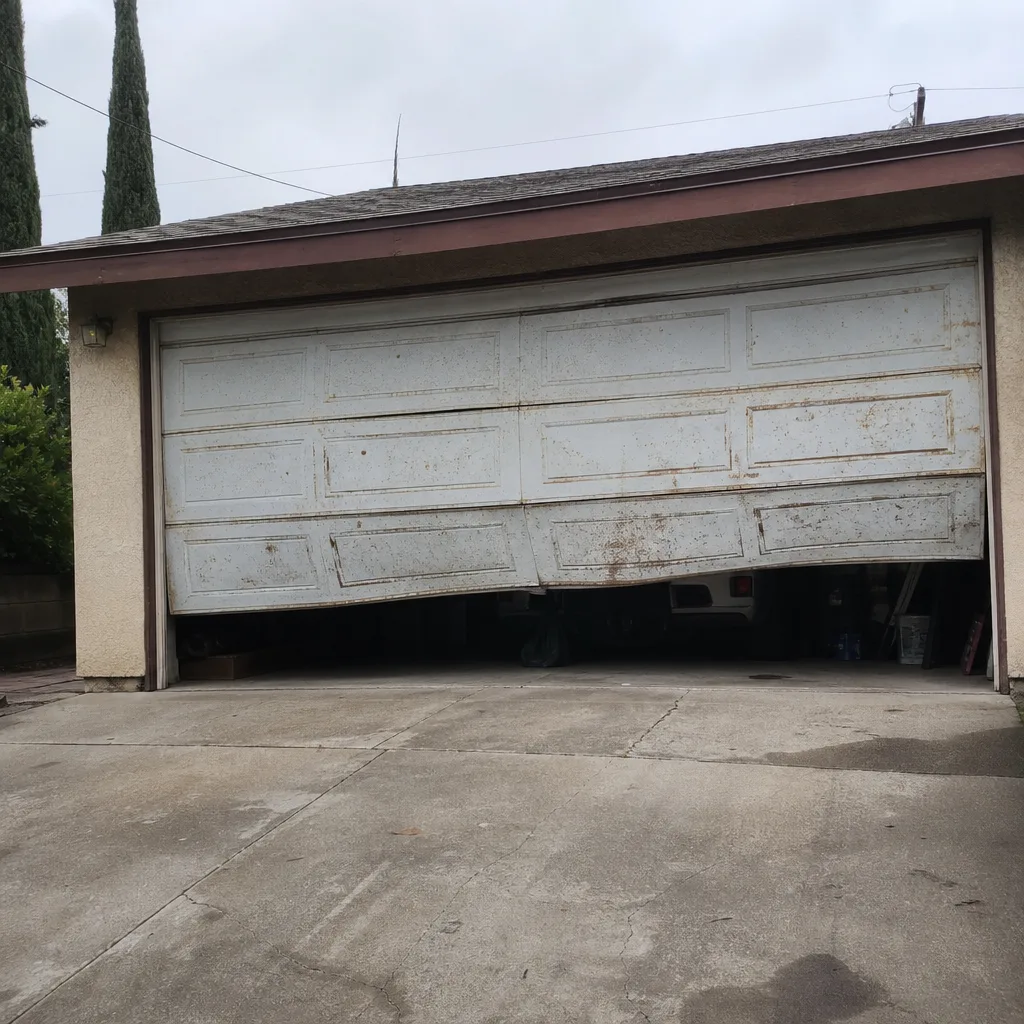 Before
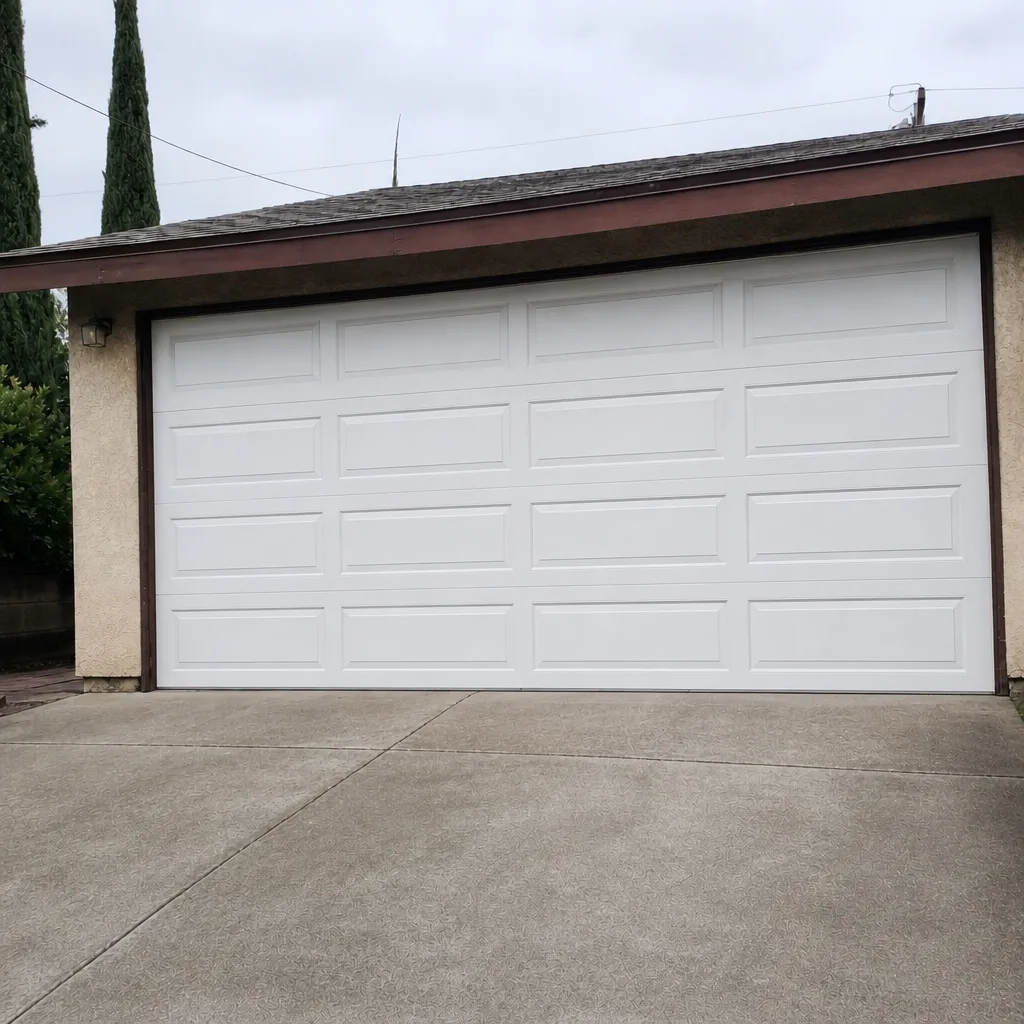 After
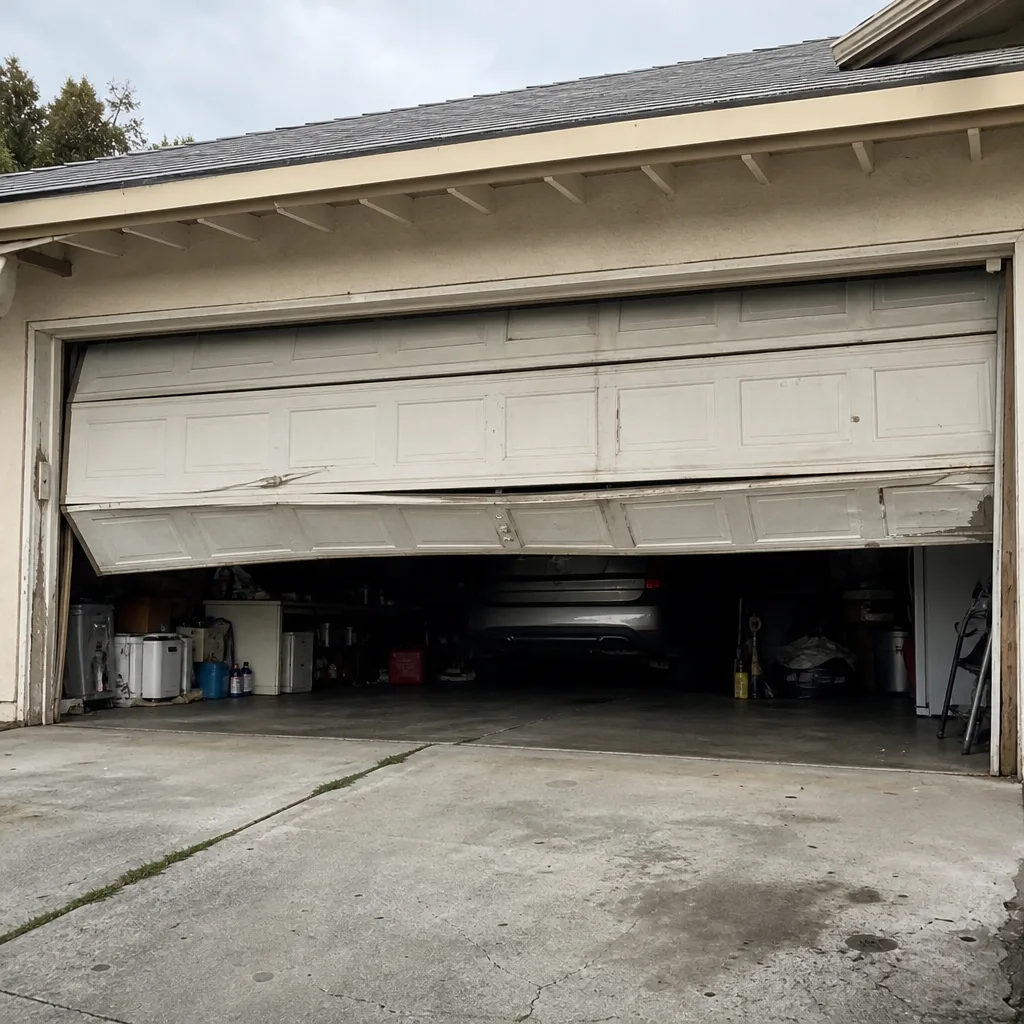 Before
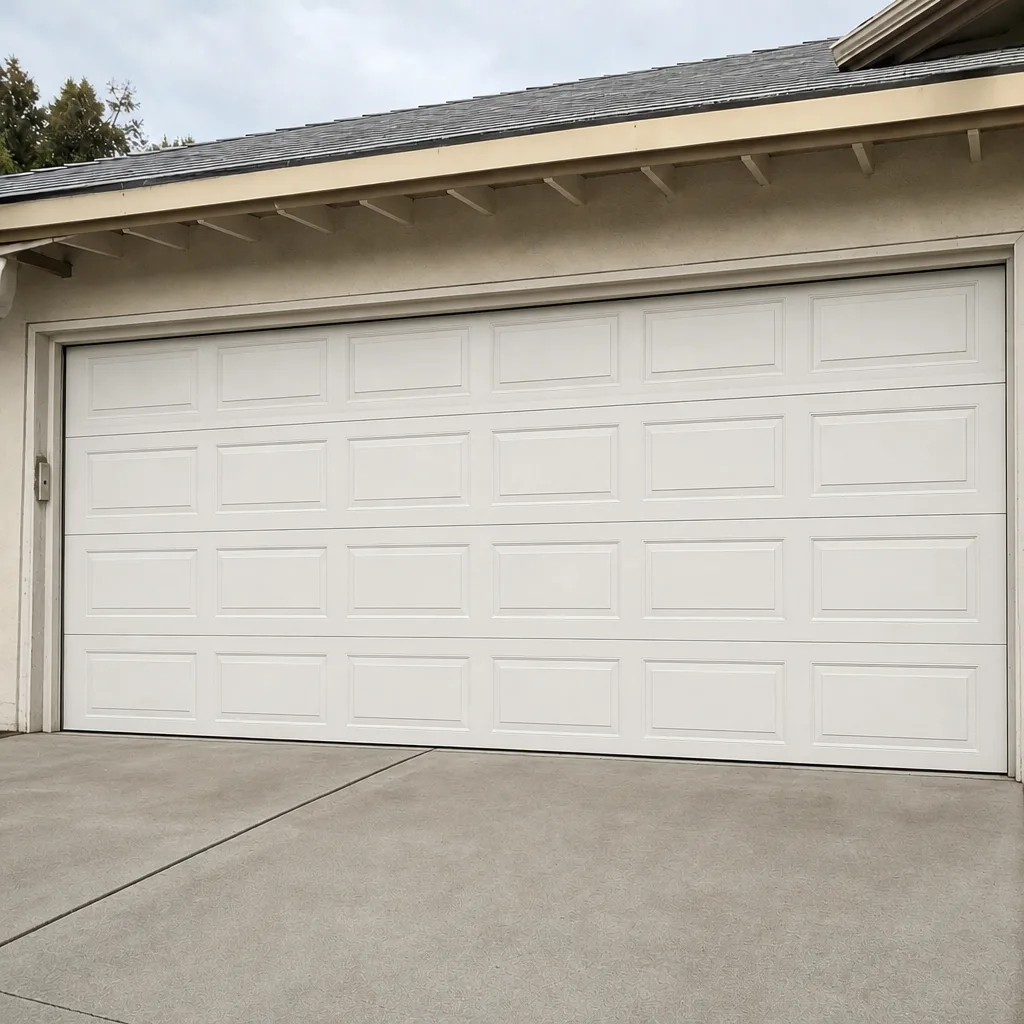 After
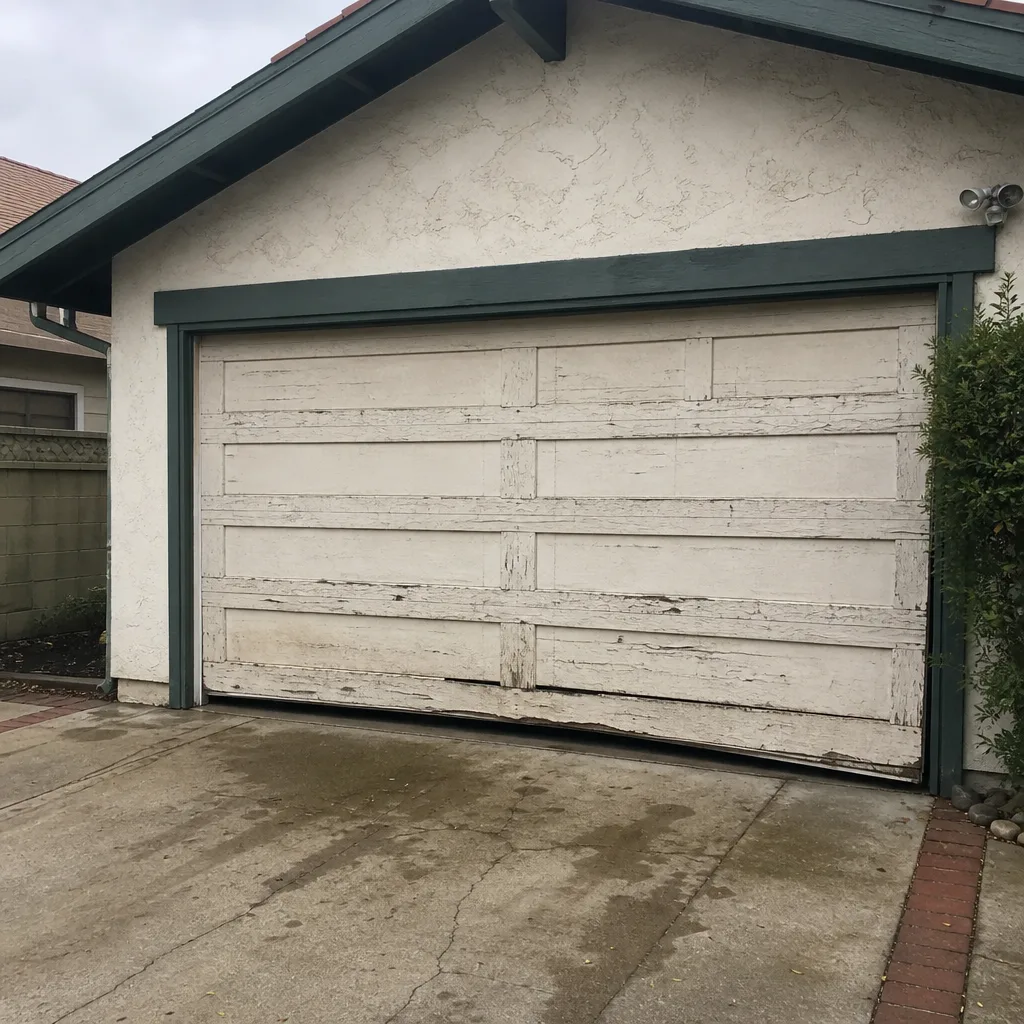 Before
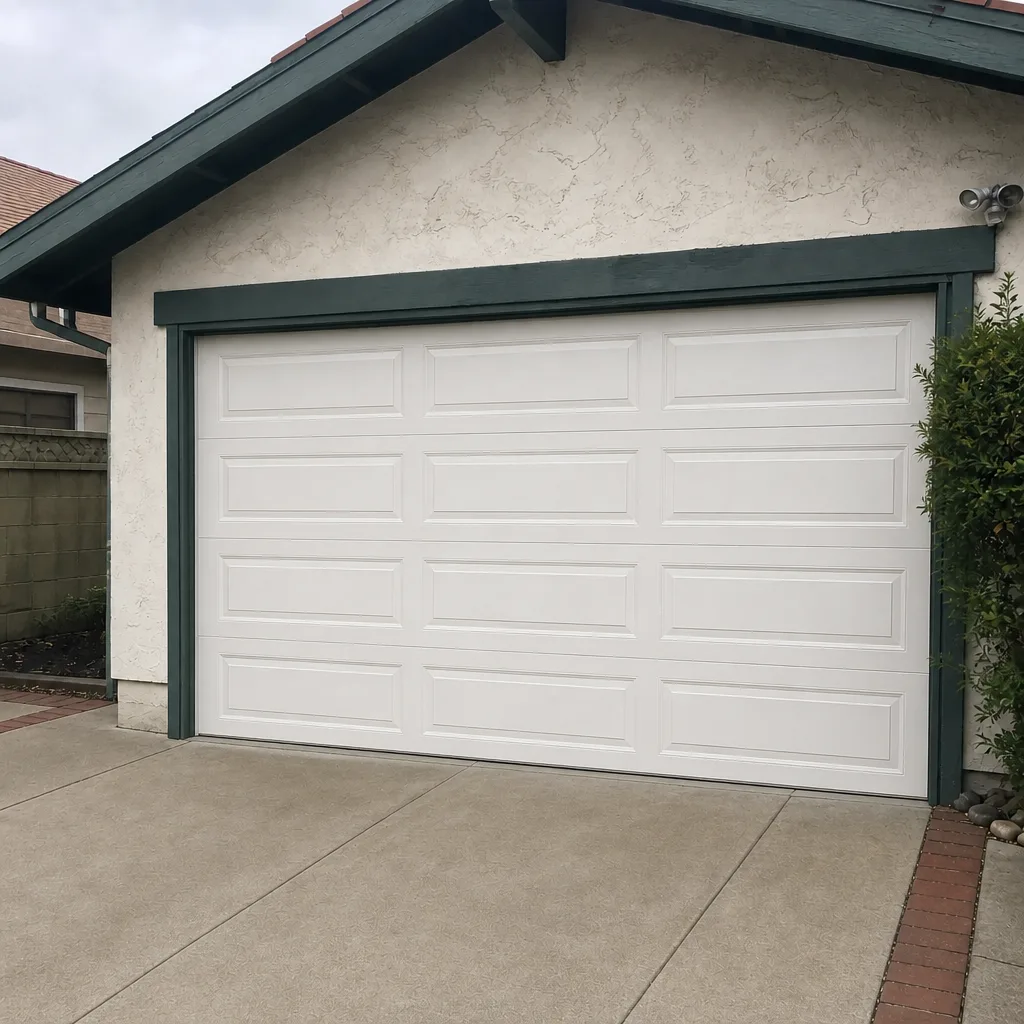 After