
Last updated November 4, 2026
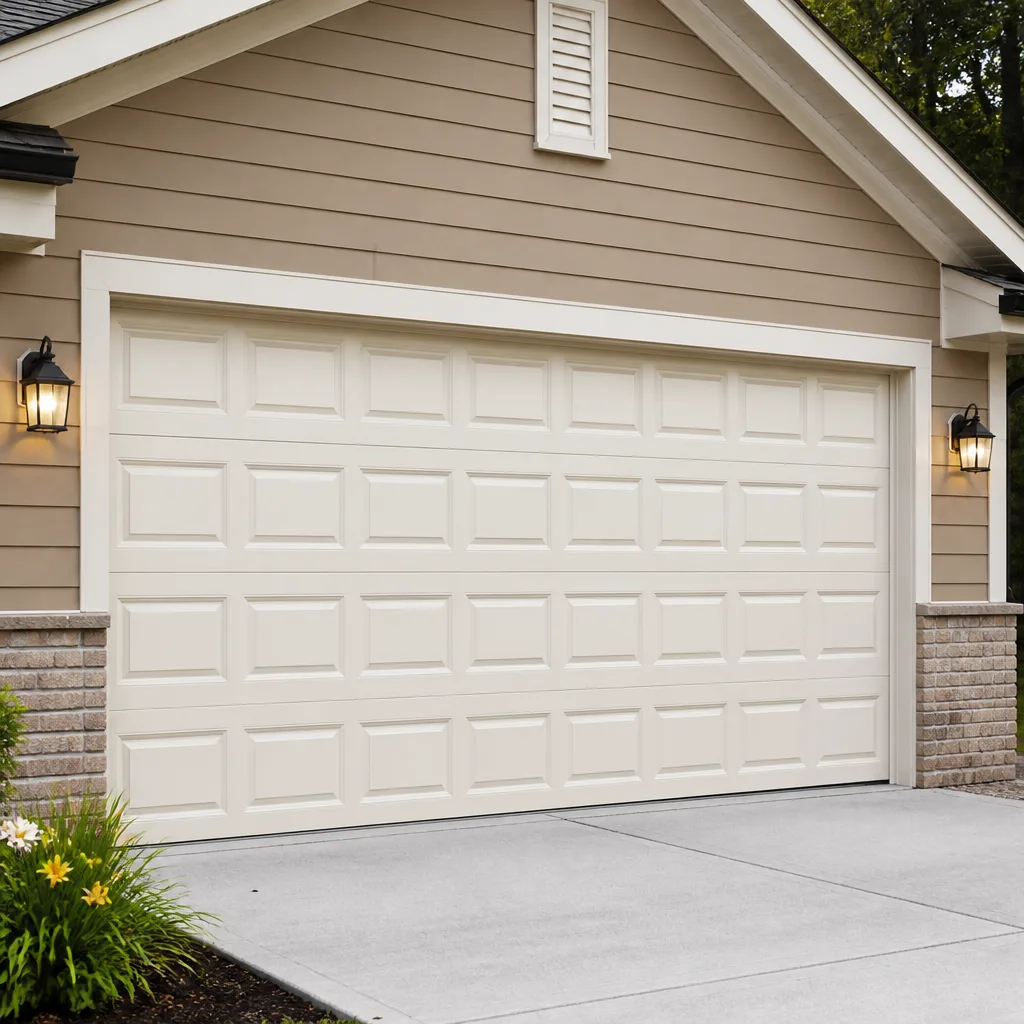 Raised-panel steel
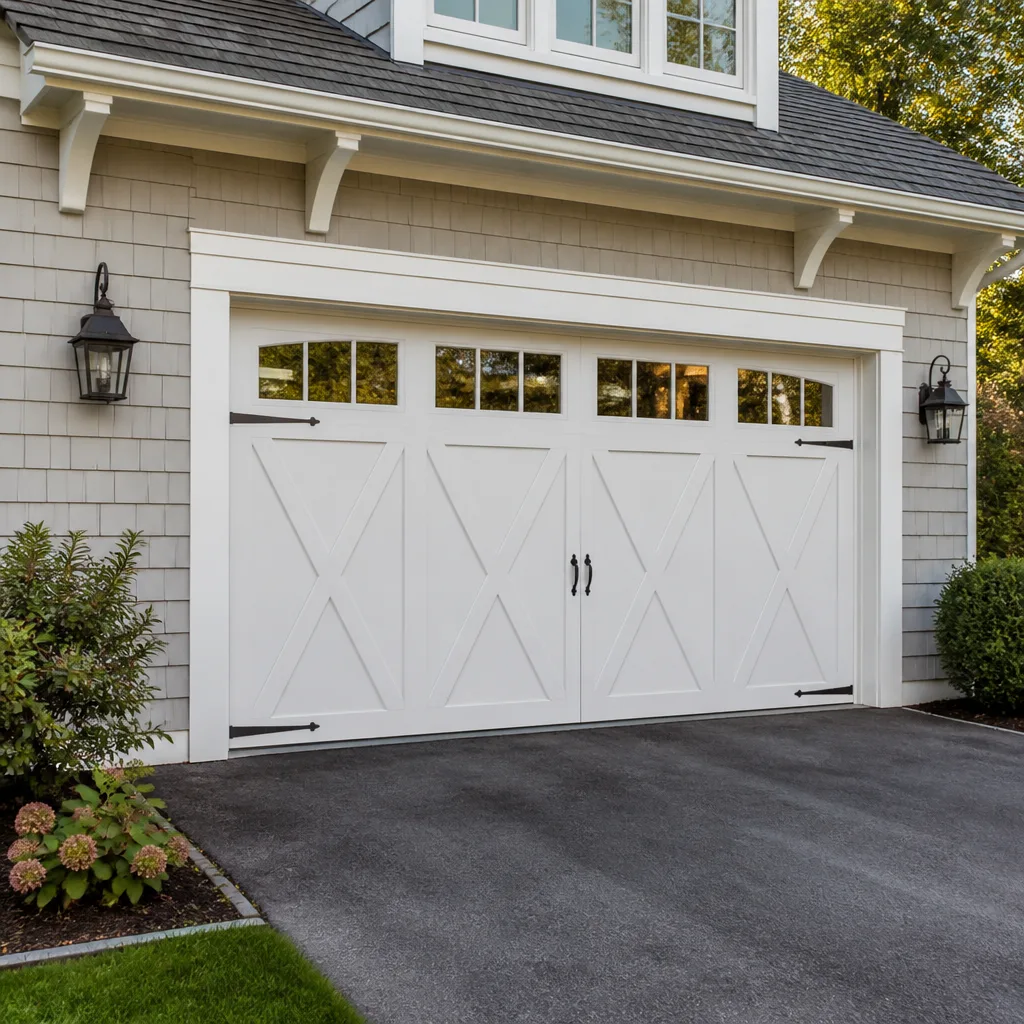 Carriage house
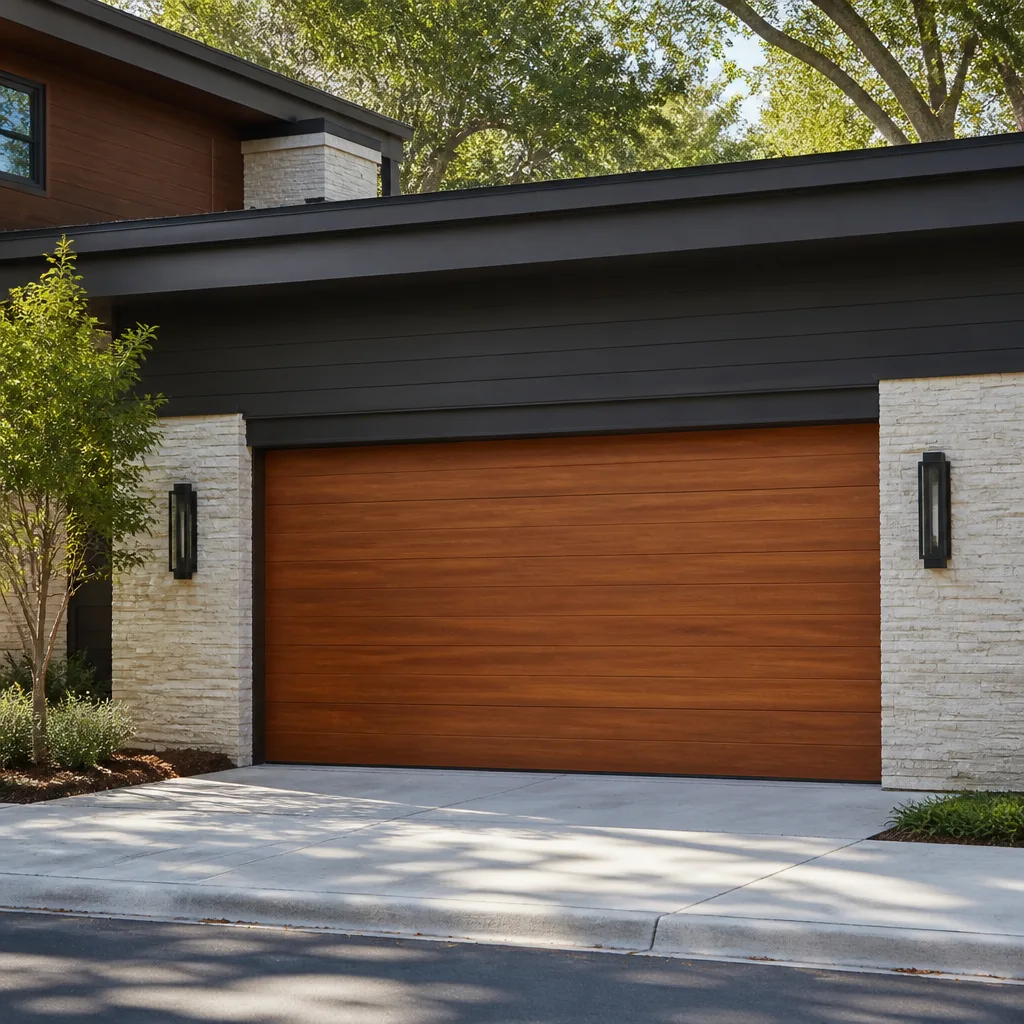 Modern flush
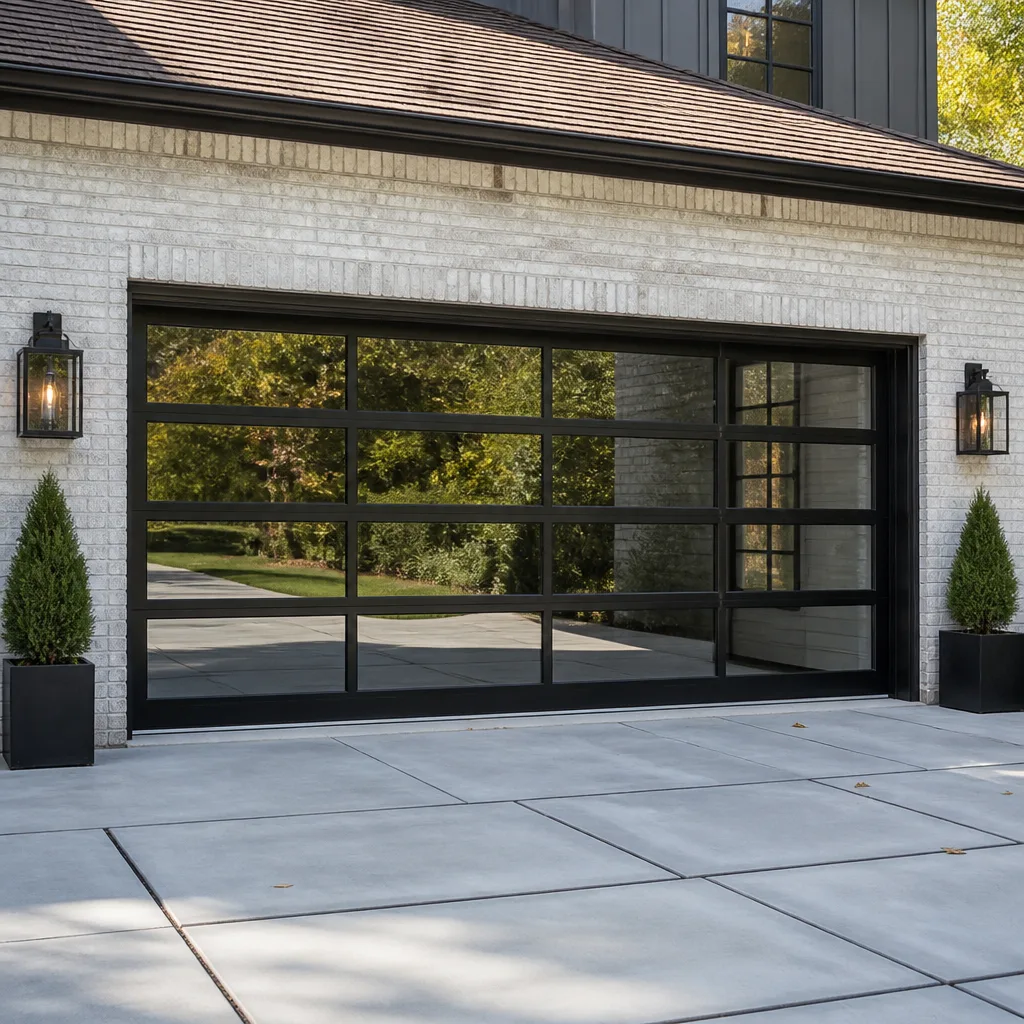 Full-view glass
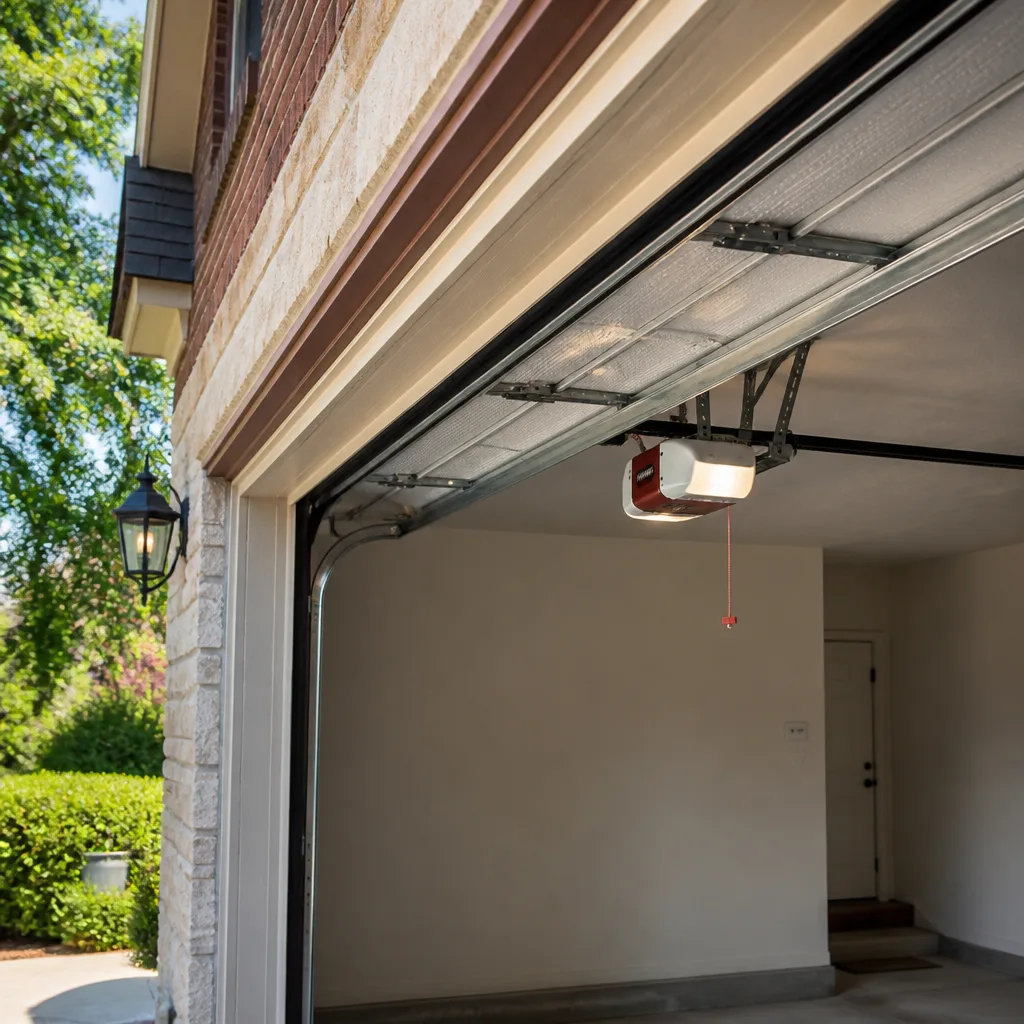 LiftMaster openers
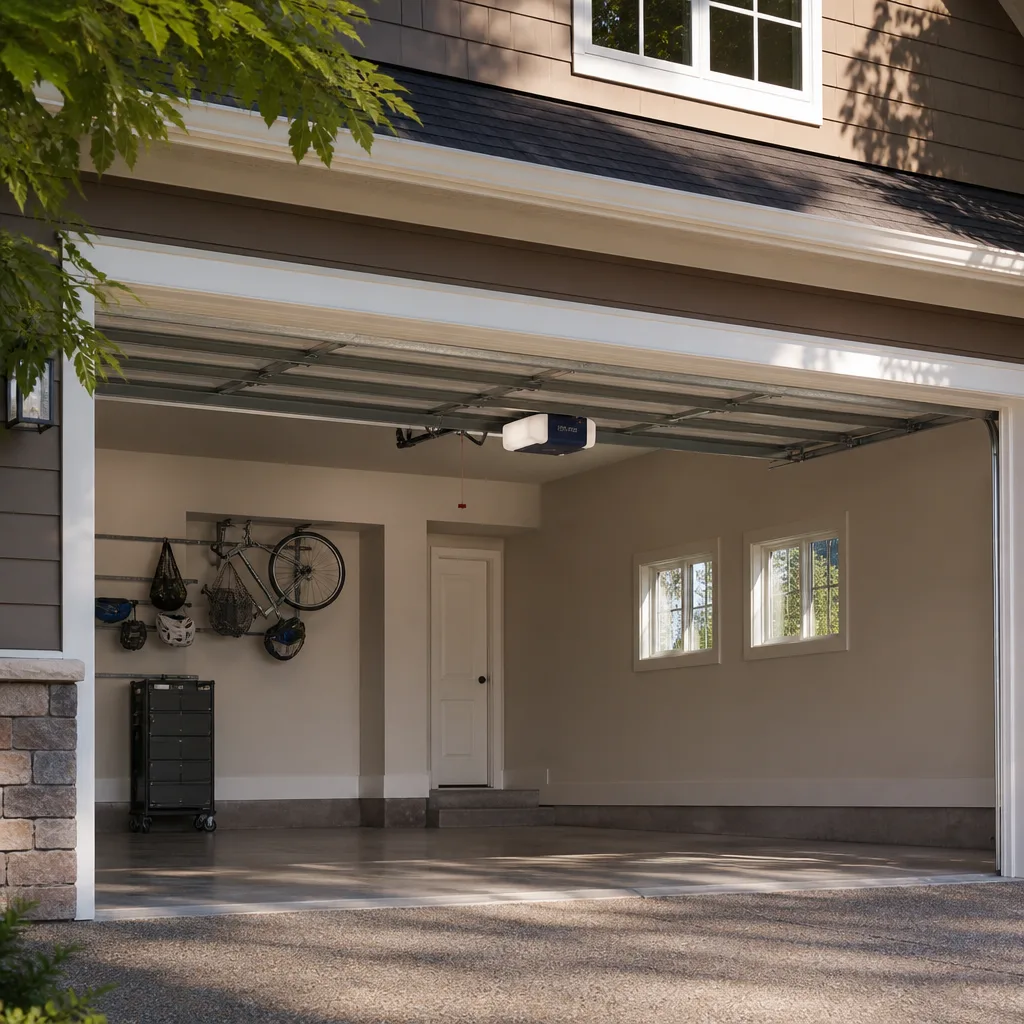 Chamberlain openers
Full 25-point door and opener safety check with every visit - springs, cables, rollers, tracks, and your LiftMaster or Chamberlain opener included
You get a price before we start. It does not change when the truck arrives.
Get your free estimateGarage Door Permits, Codes & Inspections in Valencia, CA: What You Need to Know
Most Valencia homeowners assume a garage door swap is a no-permit job. They’re partially right. Until they aren’t. The line between a code-exempt replacement and a permit-required installation is drawn by specific triggers that Los Angeles County and local HOA CC&Rs define differently. Cross that line unknowingly and you can create real title problems at resale. This guide walks through exactly where that line sits in Valencia, what California’s backup battery law actually requires, and how to fix an unpermitted installation before it becomes someone else’s problem.
Quick Answer
A like-for-like garage door replacement in Valencia usually does not require an LA County building permit. A permit becomes necessary when you alter the opening size, add structural framing, replace the door with a materially different system, or install a new opener that falls under California’s SB 969 backup battery requirements. HOA architectural review is a separate approval and can block a project even when the county requires nothing.
Styles & brands we work with
- Raised-panel steel
- Carriage house
- Modern flush
- Full-view glass
- LiftMaster openers
- Chamberlain openers
Table of Contents
- When an LA County Permit Is Actually Required
- What “Like-for-Like Replacement” Means in Code Language
- California SB 969: The Backup Battery Rule Since 2019
- HOA Architectural Review Versus Building Permit: Two Separate Gates
- How to Retroactively Permit an Unpermitted Garage Door Installation
- What a Valencia Garage Door Inspection Actually Checks
- What Permit and Inspection Fees Typically Run in Valencia
- Common Mistakes to Avoid
When an LA County Permit Is Actually Required
Los Angeles County building permits are triggered by the scope of work, not by whether a contractor does the job. A garage door that slides into the same opening, uses the same mounting points, and doesn’t touch the surrounding framing is generally treated as a maintenance replacement. You swap the door, the track, the springs, and you’re done. No permit.
A permit becomes necessary when any of these things happen:
- The rough opening changes size. Widening or heightening the opening means cutting into load-bearing wall framing. That’s structural work. The county wants to review it.
- New header or support framing is added. Even if the opening stays the same size, altering the header above the door triggers plan review.
- The door system changes materially. Swapping a sectional door for a roll-up commercial-style door, or converting a swing-out door to an overhead track system, changes how loads transfer. That’s a permit.
- A new opener is installed on a door that never had one. This pulls in electrical code requirements, including SB 969 backup battery rules.
- The work touches fire-rated assemblies. In attached garages, the wall between the garage and living space has fire-resistance requirements. Changing the door’s mounting hardware in a way that compromises that assembly requires review.
Valencia sits within unincorporated Los Angeles County for building code purposes in many areas, though parts fall under the city of Santa Clarita’s jurisdiction. The practical difference is which counter you visit or which online portal you use. The trigger for a permit is effectively the same: structural alteration or a new electrical connection.
Our work on Garage Door Repair Valencia jobs regularly involves this question. We tell homeowners the same thing every time: if the opening isn’t changing and the opener is being replaced like-for-like, you’re almost always exempt. If we’re cutting framing or running new electrical, we flag it before we start.
What “Like-for-Like Replacement” Means in Code Language
Like-for-like is the term inspectors and permit techs use to describe a replacement that doesn’t change the building’s structural behavior, fire rating, or electrical load. It’s not about the brand matching. A Craftsman door can become a Raynor door and still be like-for-like if the dimensions, weight distribution, and mounting method stay the same.
Three scenarios stop being like-for-like:
- The opening gets bigger. Any change to width or height means new header work, new framing, and a permit. Even six inches changes the load path above the door.
- The door weight class jumps significantly. A lightweight aluminum door replaced by a heavy solid-core wood door changes spring requirements, track gauge, and mounting fastener loads. The mounting points themselves may need reinforcement. That’s a material change.
- The opener changes from AC to DC or from no battery to battery backup. This is an electrical change, and California law specifically regulates it.
Here’s what like-for-like looks like in practice: a Valencia homeowner has a 16×7 sectional steel door with a chain-drive LiftMaster opener from 2011. The panels are dented, the springs are tired, and the opener is grinding. We replace the panels, springs, and opener with current models. The opening is untouched. The mounting brackets land in the same locations. The new opener is a Chamberlain with battery backup. The door replacement is exempt. The opener replacement triggers SB 969 compliance, which the new unit satisfies by design.
The distinction matters because contractors who say “no permit needed” without checking the details are making a guess. We’d rather check the three scenarios above and give you a straight answer.
California SB 969: The Backup Battery Rule Since 2019
California Senate Bill 969 took effect in July 2019. It requires that any newly installed residential garage door opener have a battery backup function. The law was written after wildfires in the state showed that garage doors were often the primary exit point during evacuations. When power failed, some homeowners couldn’t get their cars out. The backup battery is meant to guarantee the door opens at least once during an outage.
Here’s what the law actually covers and what it doesn’t:
- New opener installations. Any opener installed after July 1, 2019 must be battery-backup capable. This includes openers installed during a new door installation.
- Replacement openers. If you replace an opener, the new unit must comply. You cannot legally install a non-compliant new opener, even if the old one didn’t have a battery.
- Existing openers. The law does not require retrofitting an opener that was installed before July 2019. If your 2015 LiftMaster still works, you’re not in violation. When it dies and gets replaced, the new one must comply.
- Battery replacement. The battery itself is a consumable. It wears out in roughly two to three years. Replacing a dead battery is maintenance, not a code event.
What inspectors look for: the opener’s model number and manufacture date, the presence of a functioning battery backup module, and proper wall-button installation with a working safety reverse. A Genie or Chamberlain unit sold after 2019 will have the battery built in or as a clearly labeled add-on. Older stock without it shouldn’t be installed on a new job.
We work on the brand you already have. That includes openers from LiftMaster, Chamberlain, Genie, Craftsman, and Raynor. When we do garage door opener repair that involves a replacement unit, we make sure the new opener meets SB 969 before it goes on the rail.
HOA Architectural Review Versus Building Permit: Two Separate Gates
Valencia has one of the densest concentrations of HOAs in Los Angeles County. Most Valencia communities, particularly those built through the master-planned Valencia developments, have CC&Rs that govern exterior changes. A garage door is an exterior change. That means HOA architectural review applies even when the county says no permit is needed.
These are two separate approvals with two separate consequences:
- Building permit. Issued by LA County or the city of Santa Clarita. Governs structural safety, fire code, and electrical compliance. Inspectors check the physical work.
- HOA architectural approval. Governed by the community’s CC&Rs. Covers appearance, material, color, and sometimes brand or panel style. The HOA’s architectural committee reviews the request. They don’t care about spring tension. They care whether the door matches the neighborhood’s approved palette.
Both can kill a project independently. You can have county approval and still get a violation letter from the HOA because the door color is wrong. You can have HOA approval and still be doing unpermitted structural work if the opening changed size. They don’t talk to each other.
The practical sequence for a Valencia homeowner: check the HOA CC&Rs first. Some HOAs require a specific application form, a color sample, and a photo of the proposed door. Approval can take two to six weeks depending on the association’s meeting schedule. Then determine whether the county requires a permit. Do both before the work starts. Fixing an HOA violation after installation can mean replacing a perfectly good door because the finish doesn’t match.
How to Retroactively Permit an Unpermitted Garage Door Installation
Unpermitted work surfaces most often at resale. A buyer’s inspector flags the door. The lender asks for permits. The escrow stalls. The seller suddenly has to fix a problem that’s been sitting in the garage for years.
The retroactive permitting process in Los Angeles County is straightforward but not fast:
- Gather documentation. Find the original contractor invoice, the door and opener model numbers, and any photos from the installation. If you don’t have them, you’ll be describing the work from scratch.
- File a permit application for the existing work. This is sometimes called an “as-built” permit. You’re asking the county to review work that’s already done. The application is the same as for a new permit.
- Schedule an inspection. An inspector comes out and looks at the door, the framing, the opener, and the electrical connection. They’re checking for safety defects: proper spring containment, safety reverse function, battery backup compliance, appropriate mounting hardware.
- Correct any deficiencies. If the inspector finds issues, you fix them and schedule a re-inspection. Common fixes include adding a battery backup, replacing missing safety sensors, and upgrading undersized mounting fasteners.
- Get final sign-off. Once the inspector approves, the permit is closed and the work is legal. Keep the permit record. You’ll need it at resale.
The cost difference is the point. Pulling the permit upfront on a straightforward replacement might run a few hundred dollars in Valencia. Retroactive permitting often costs more because the inspector is more rigorous, the deficiencies are more likely, and time is compressed because escrow is waiting. The homeowner who skipped the permit saved a little money at installation and pays more later, under pressure.
We’ve seen both paths. The one we recommend is the boring one: figure out the permit status before the door goes in.
What a Valencia Garage Door Inspection Actually Checks
When an LA County or city inspector examines a garage door installation, they’re not evaluating whether you like the door. They’re checking a specific list of safety and code items. Knowing the list helps you understand why a permit might be required in the first place.
Here’s what gets checked, in the order most inspectors follow:
- Spring containment. Extension springs must have safety cables running through them. Torsion springs must have containment brackets. A broken spring can become a projectile. This is a non-negotiable safety item.
- Safety reverse function. The door must reverse when it encounters resistance, and the photoelectric sensors at the bottom of the opening must stop and reverse the door when the beam is broken. Inspectors test both.
- Mounting hardware. Track brackets must be secured to solid framing, not just drywall or stucco. Lag bolt size and spacing matter. A door that pulls its track off the wall is a hazard.
- Opener electrical. The opener must be plugged into a properly grounded outlet, not an extension cord. Any new wiring must meet the county’s electrical code.
- SB 969 compliance. A new opener must have a functioning battery backup. The inspector checks the model and may test the battery function.
- Fire separation (attached garages). The wall between the garage and the living space must have intact fire-rated drywall. If the door installation disturbed that wall, the inspector will flag it.
- Structural framing. If the opening changed, the header above the door must be properly sized and supported. This is the most expensive deficiency to fix after the fact.
For homeowners in Valencia, the inspection process is the same whether the permit was pulled upfront or retroactively. The difference is that a door installed with a permit in mind is built to pass the first time. A door installed without one often has small shortcuts that an inspector catches quickly.
What Permit and Inspection Fees Typically Run in Valencia
Permit costs vary by jurisdiction and by the valuation of the work. In Valencia, a straightforward residential garage door replacement permit, when one is required, is typically in the low hundreds of dollars. That includes the plan check fee if needed and the inspection fee. Retroactive permits tend to run higher because additional inspection time is common and deficiencies often require a re-inspection, which carries its own fee.
Here’s a realistic breakdown for the Valencia market:
- No-permit replacement (like-for-like). $0 in permit fees. This covers the majority of panel, spring, track, and opener-for-opener swaps.
- Standard permit for a straightforward door and opener replacement. Typically a few hundred dollars depending on the valuation you declare and the jurisdiction’s fee schedule.
- Permit with structural review (opening size changed). Higher, because plan review time is more involved and the county may require engineered details for the header.
- Retroactive permit (as-built). Usually the highest of the standard categories because of re-inspection likelihood and compressed timelines.
- HOA architectural review. Separate from county fees. Some HOAs charge a review fee. Many don’t. The cost is the time lost waiting for approval.
These are estimated ranges based on typical LA County fee schedules and the kinds of jobs we see in Valencia. The written estimate for your specific job sets the final price. County fees are paid to the county, not to us. We can tell you whether your job falls in the permit-required or exempt category, and we’ll say so before any work starts.
Flooring the cost question: pulling a permit when one isn’t required is wasted money. Skipping one when it is required is deferred pain. The trick is knowing which side of the line you’re on. That’s a conversation, not a guess.
Common Mistakes to Avoid
- Assuming a licensed contractor means a permitted job. A contractor’s license is about business registration and worker protections. It doesn’t mean the specific job was permitted. Verify the permit status separately.
- Treating HOA approval as a substitute for a building permit. They’re different approvals from different entities. Having one doesn’t grant you the other.
- Changing the opening size without checking the header. A wider door looks great until the undersized header starts sagging. This is the most expensive unpermitted mistake we see.
- Installing a non-compliant opener after 2019. Some old stock is still in circulation. A model without battery backup shouldn’t go on a new install, even if it’s cheap.
- Waiting until escrow to deal with an unpermitted door. Retroactive permitting under a closing deadline costs more and gives you zero leverage with the buyer.
- Skipping the HOA check because the door is “the same as before.” HOAs in Valencia communities can be particular about panel style and color, and “the same as before” depends on whether the previous door was approved.
- Using an extension cord for a new opener. Inspectors flag this every time. The opener needs a proper grounded outlet.
See the difference
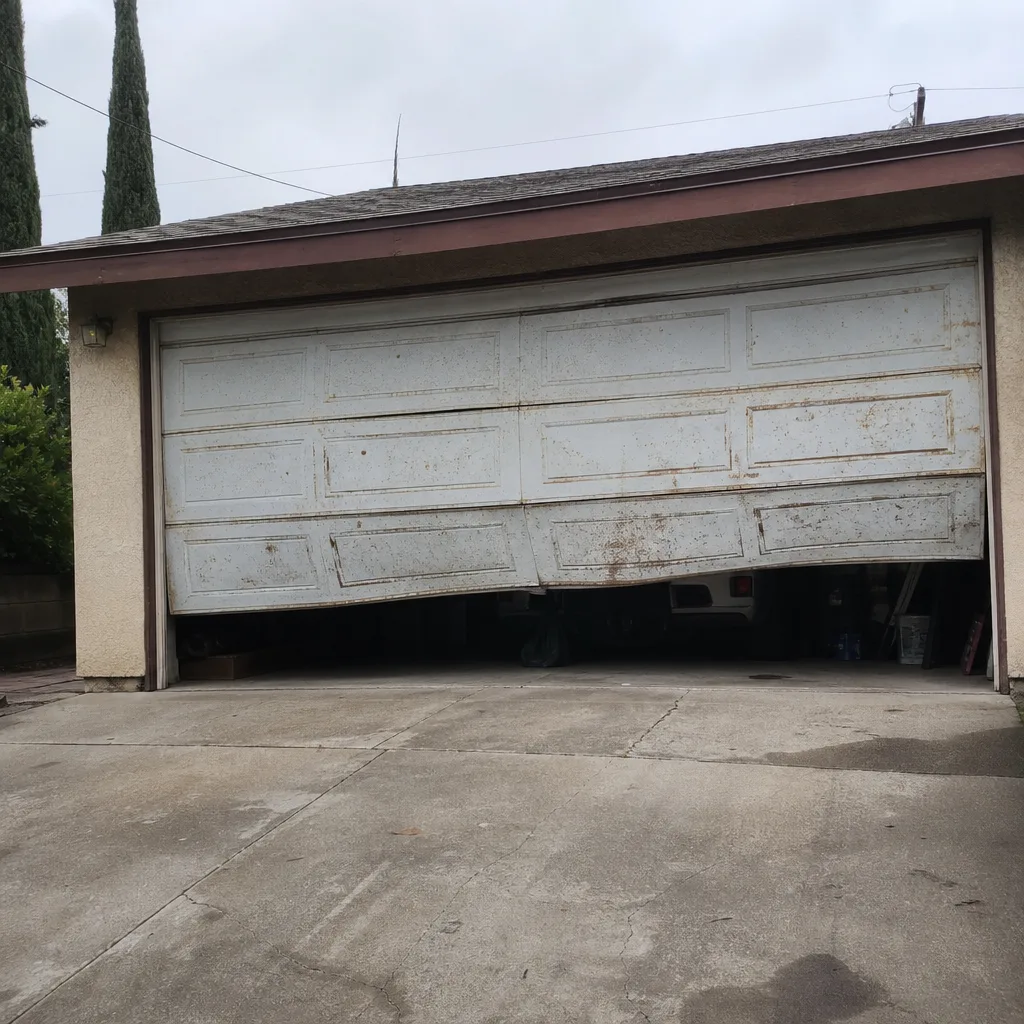 Before
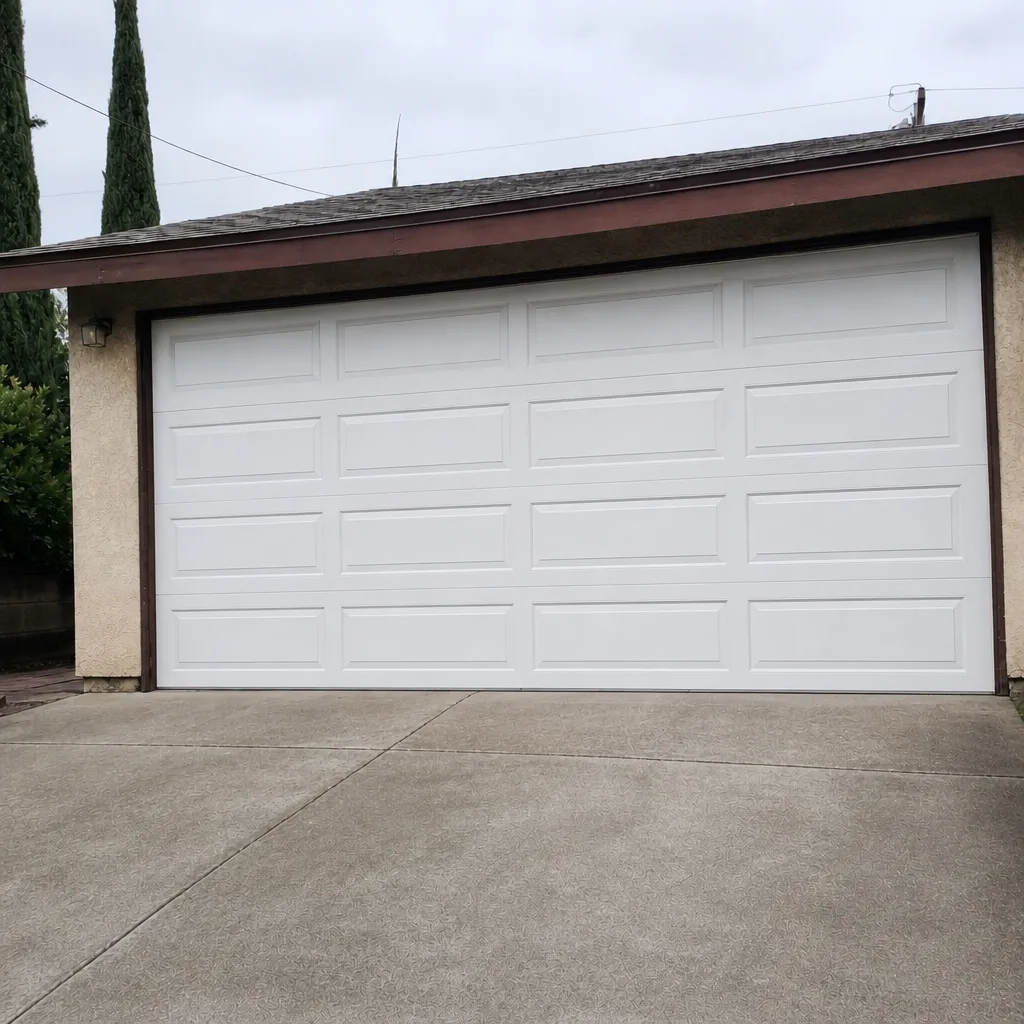 After
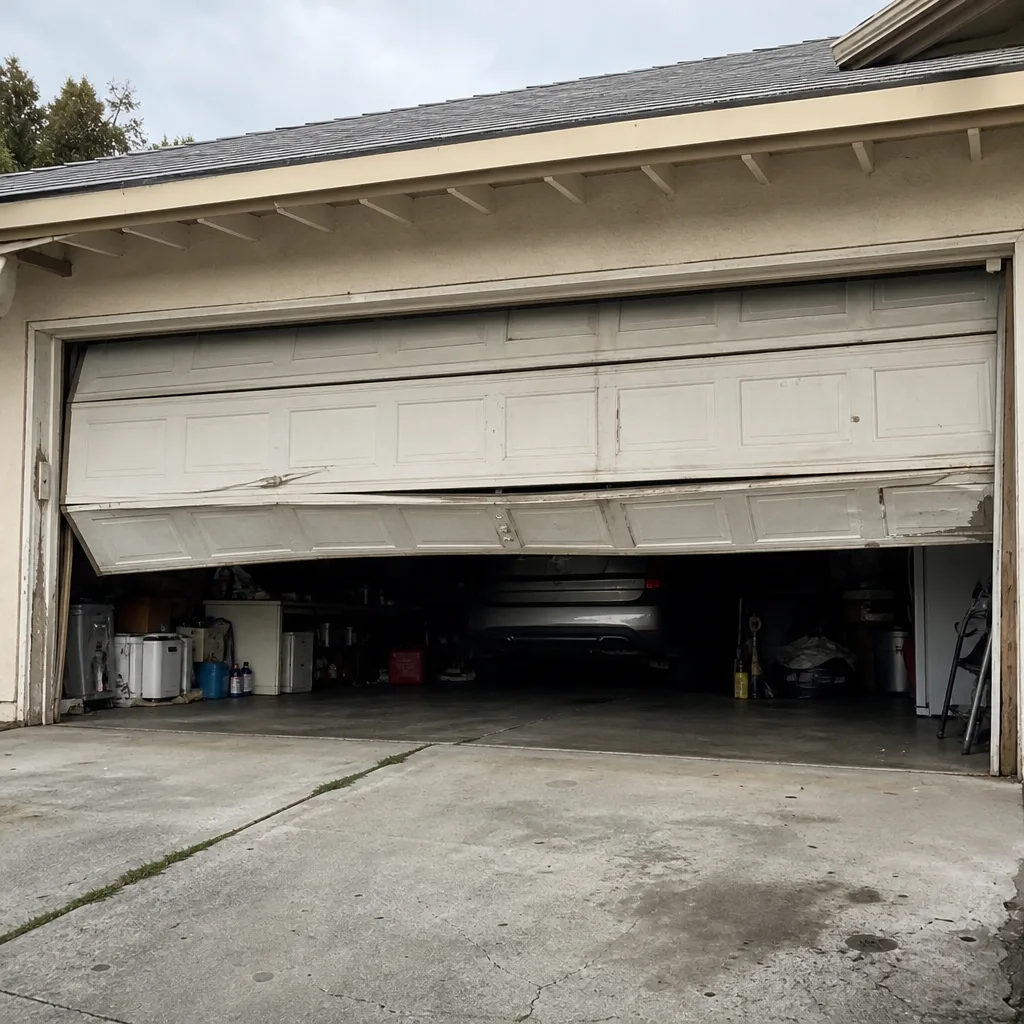 Before
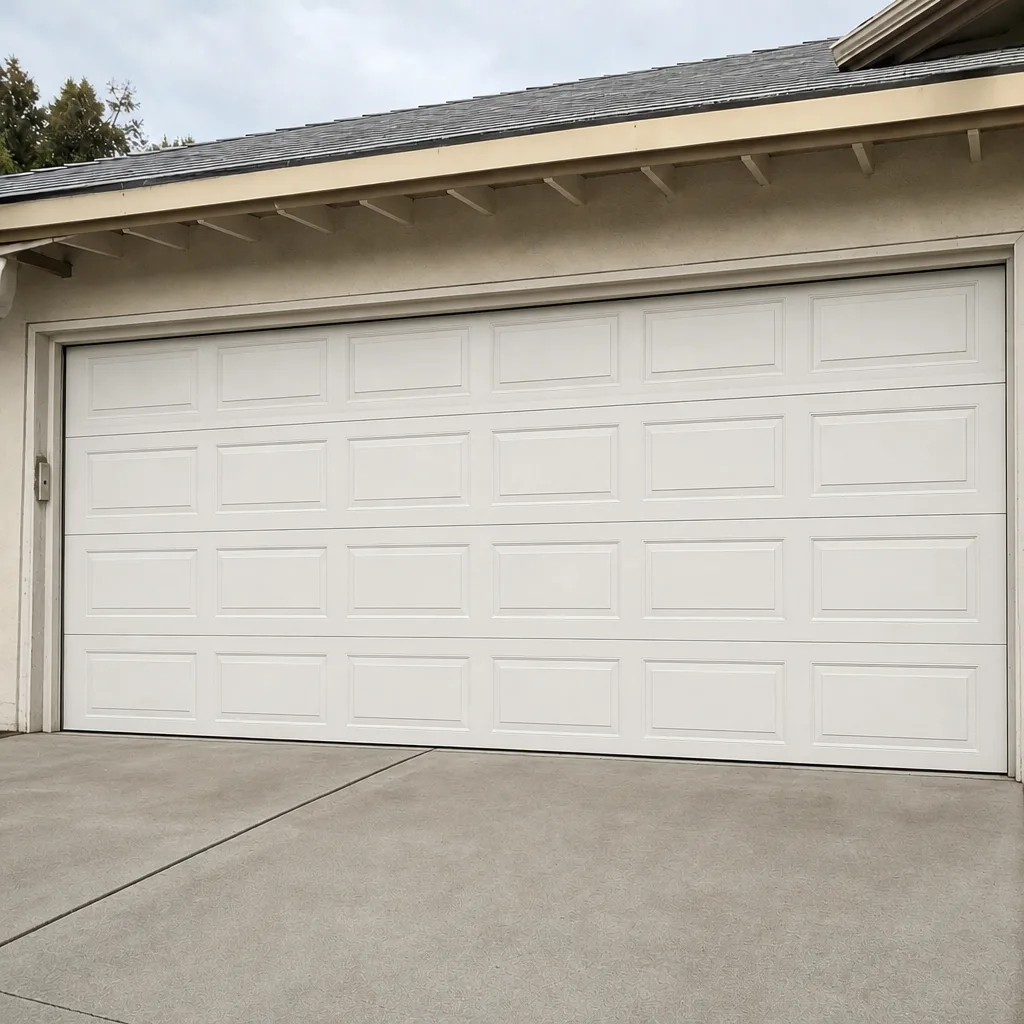 After
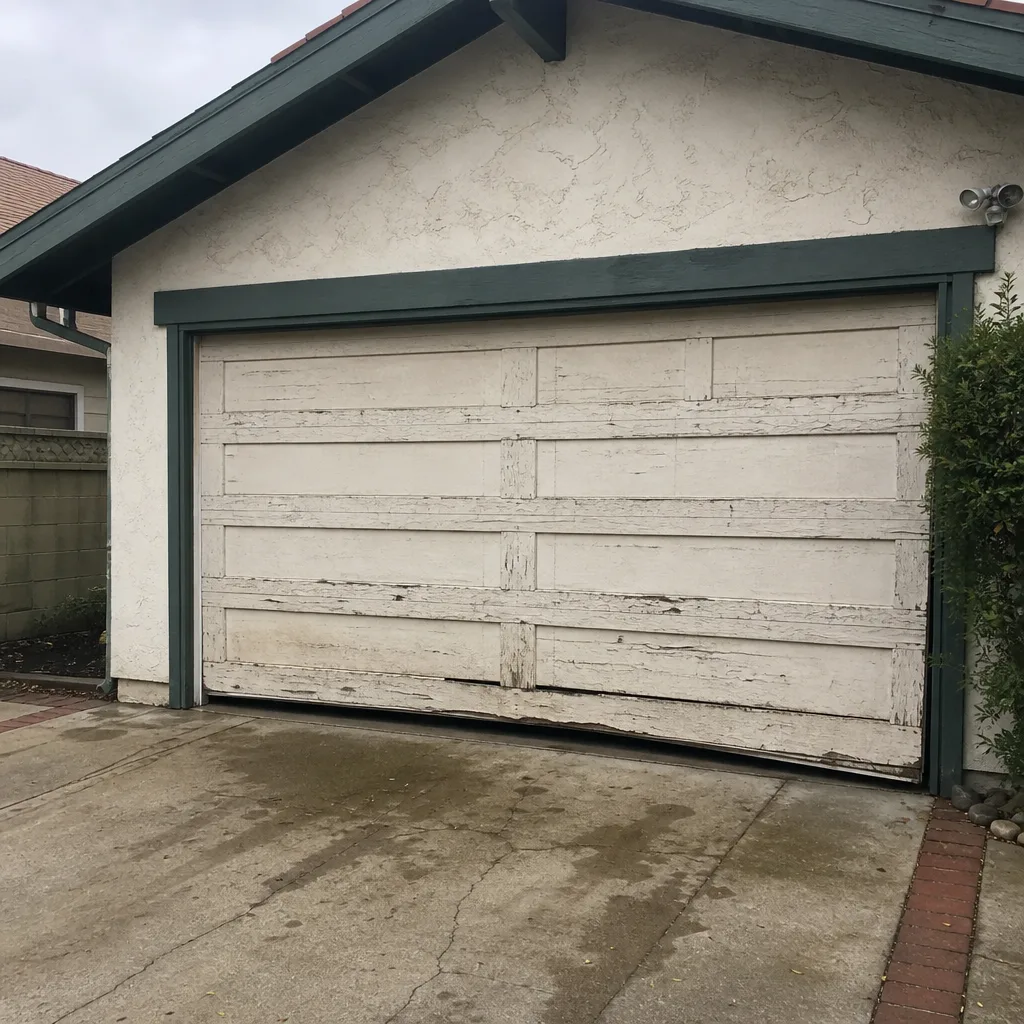 Before
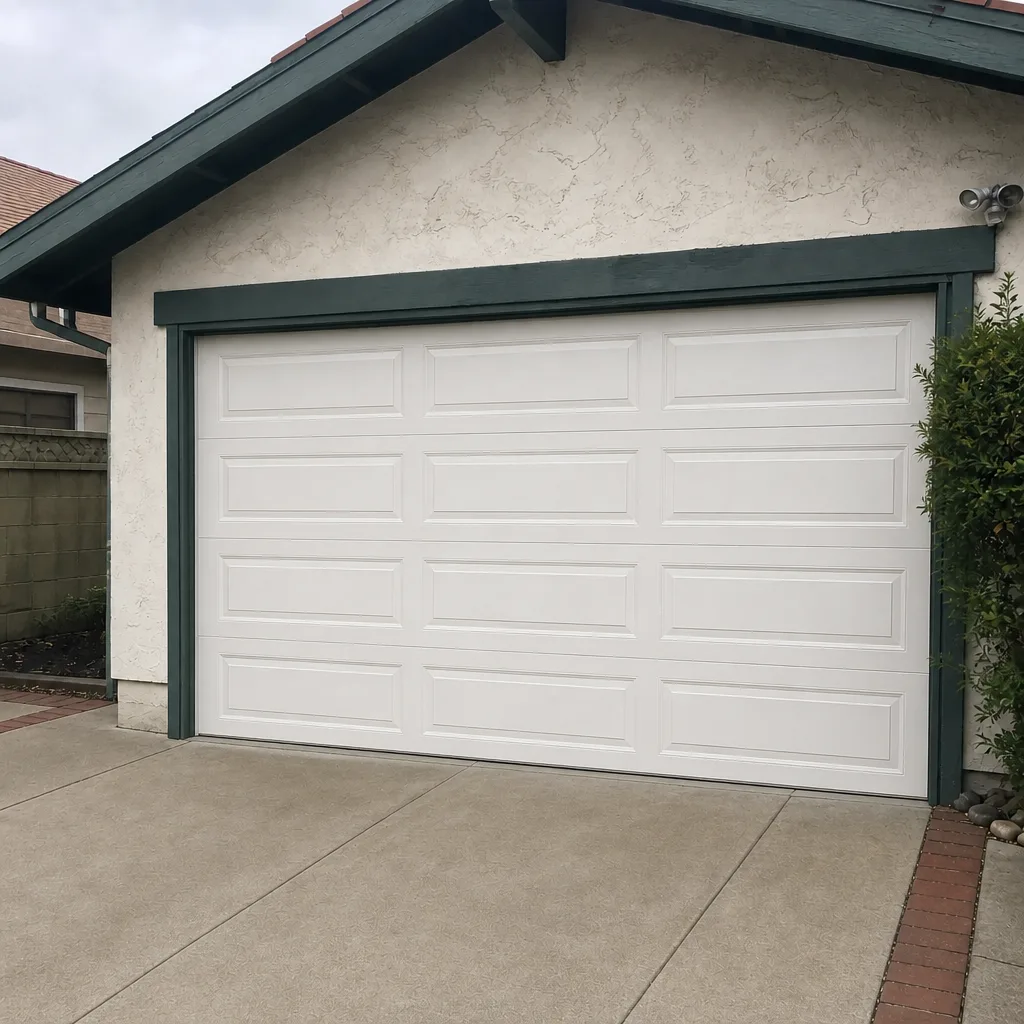 After
When to Call a Professional
If you’re replacing a garage door in Valencia and any of these apply, don’t guess. If the opening size is changing, call a professional who can assess the header before the saw comes out. If you’re installing a new opener and aren’t sure whether it meets SB 969, call someone who works with these units daily. If you’re in escrow and an unpermitted door just became your problem, call now. From a jammed opener to a full new door, the permit question is one we answer on most jobs. Garage Door Repair Valencia offers free estimates in Valencia. Call (833) 754-9103. We answer 24/7. Fast dispatch from 7am to 7pm, Sunday through Friday.
Frequently Asked Questions
No, if it’s a like-for-like replacement where the opening size, framing, and mounting method stay the same. Yes, if the opening changes size, structural framing is added, or the door system changes materially. HOA architectural review is a separate requirement in many Valencia communities.
Yes, for all new residential garage door openers installed after July 1, 2019. Existing openers installed before that date don’t need to be retrofitted, but any replacement opener must be SB 969 compliant with a functioning battery backup.
A standard permit for a straightforward door and opener replacement is typically in the low hundreds of dollars, depending on the jurisdiction and the declared valuation. Retroactive permits tend to cost more due to additional inspection time and common deficiencies.
The work is unpermitted and can be flagged during a home inspection at resale. You’ll need to retroactively permit it, which means filing an as-built application, passing an inspection, and correcting any deficiencies the inspector finds. The process is slower and often more expensive than pulling the permit upfront.
No. HOA architectural review governs appearance, materials, and neighborhood standards under the community’s CC&Rs. A county building permit governs structural safety, fire code, and electrical compliance. They are separate processes and both may be required.
Yes. We assess the scope of work before any job starts and tell you whether your replacement falls in the permit-required or exempt category. Call (833) 754-9103 and we’ll walk through it. The estimate is free.
The Bottom Line
Most garage door replacements in Valencia don’t need a permit. The ones that do are the ones where the opening changes, the framing is touched, or a new opener comes into play. SB 969 has made opener compliance a permanent part of the conversation since 2019. HOA review is a separate gate that catches people who think the county is the only authority. And unpermitted work has a way of surfacing at the worst possible time: closing. Know which category your job falls in before the door goes up. When in doubt, ask someone who does this every day. We work on the brand you already have, whether that’s LiftMaster, Chamberlain, Genie, Craftsman, or Raynor. Garage doors are all we do.
For a free estimate on any garage door repair or installation question in Valencia, call (833) 754-9103. We answer 24/7. Fast dispatch from 7am to 7pm, Sunday through Friday.
Written by the team at Garage Door Repair Valencia, serving Valencia since 2011.